Portuguese
  Spanish



With A Focus On Energy Innovation, The MME Establishes A Technical Group To Expand Studies On Sustainable Biofuel Blends, Strengthening The Fuel Law Of The Future In Brazil
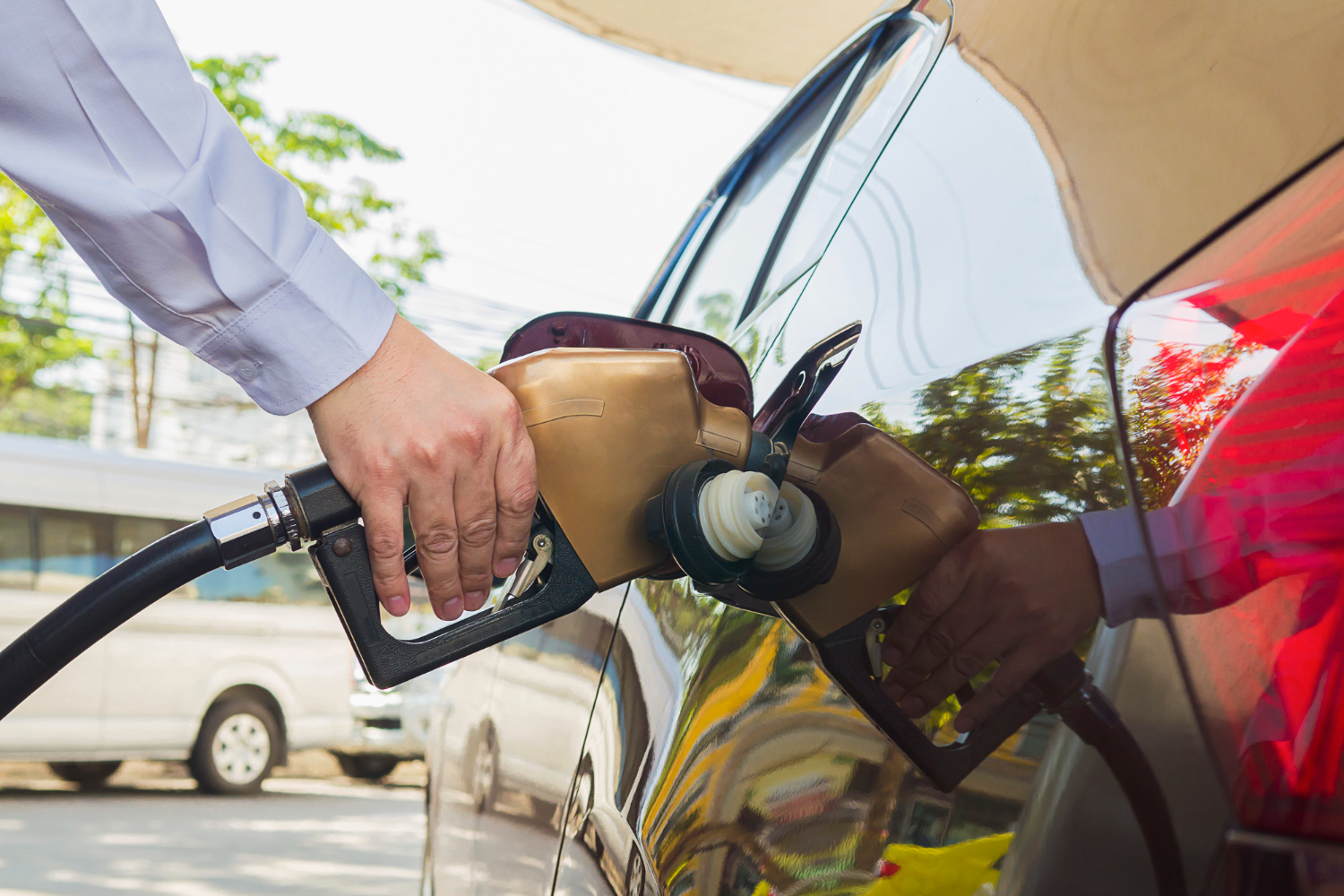
The Fuel Law Of The Future Returns To The Center Of Energy Discussions With The Creation, By The Ministry Of Mines And Energy (MME), Of A Subcommittee Aimed At Studying The Technical Feasibility Of Blends With High Levels Of Biofuels, According To A Report Published.
This Initiative Marks A Strategic Advance In The Brazilian Energy Transition, Seeking To Integrate Biodiesel And Ethanol In Proportions Higher Than Current Levels, Within Safe And Sustainable Parameters.
The Goal Is To Promote A Solid Scientific Basis For The Expansion Of The Use Of Renewable Sources, Gradually Reducing The Dependency On Fossil Fuels And Stimulating Technological Innovation Across The Transportation Sector.
-
US$ 7 billion, green hydrogen, and steel with up to 95% less CO₂: the first green steel plant on the planet emerges in Sweden and targets Brazil as the next chapter

-
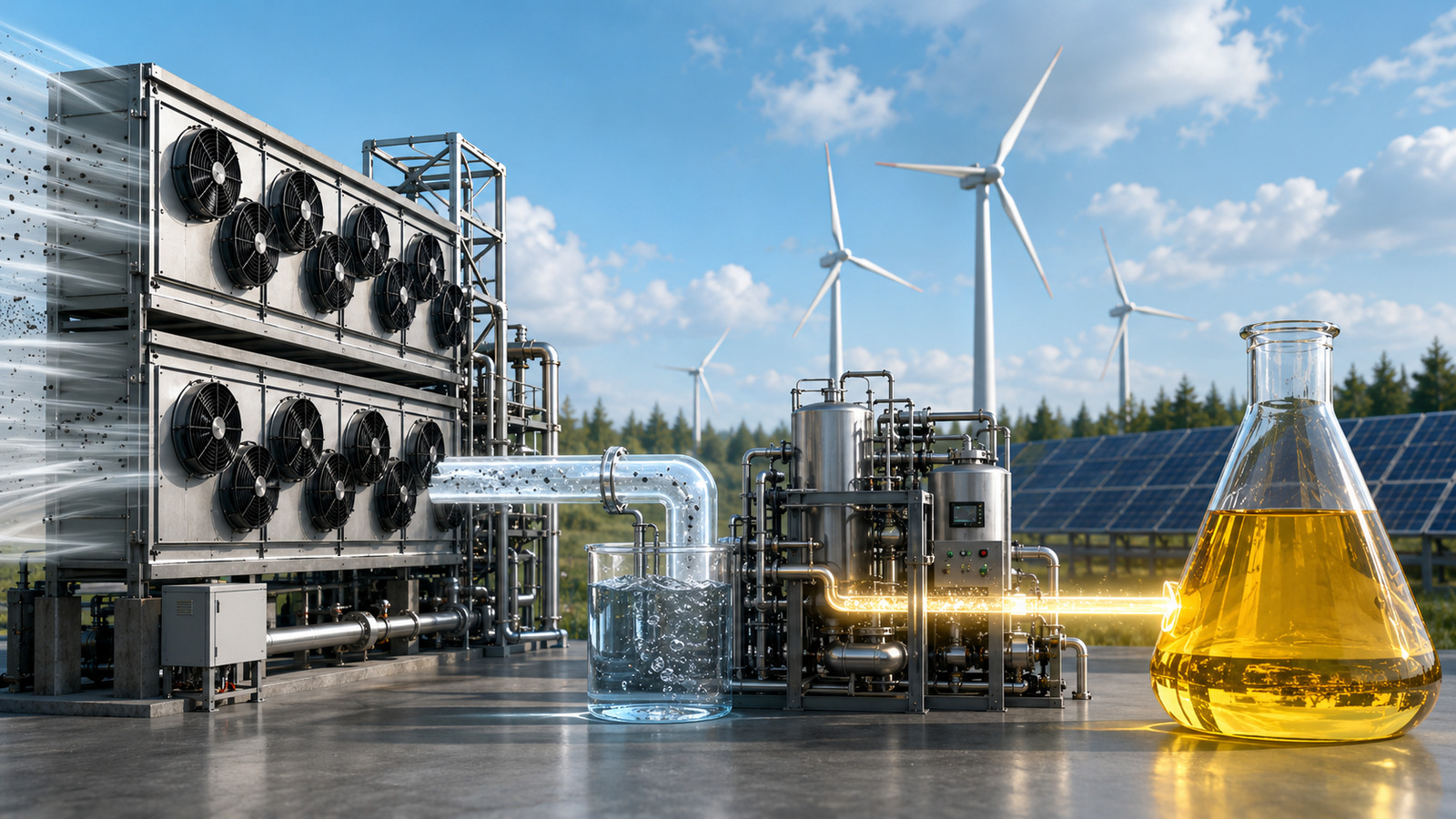
Swedes manage to create synthetic fuel with CO₂, water, and renewable energy, compatible with current engines, but face a huge problem: the energy expenditure is still double the return.
-
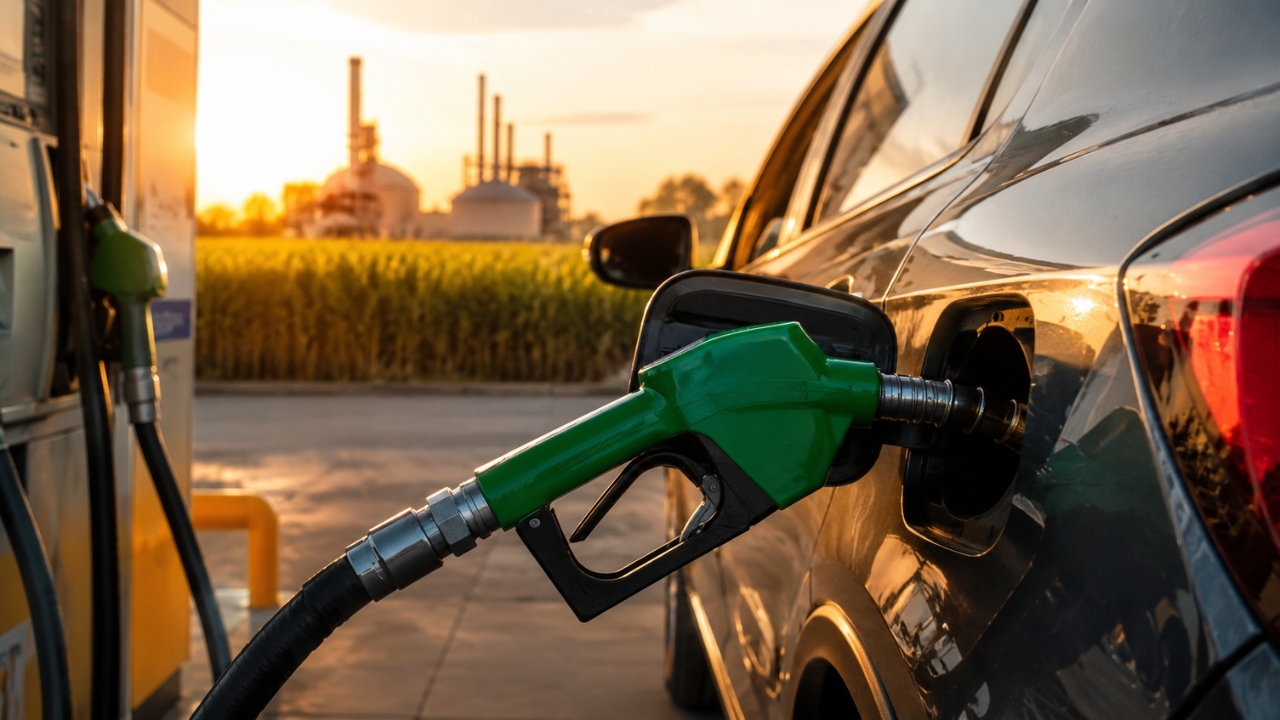
Brazil begins to transform wheat, residues, sweet potatoes, and soy molasses into ethanol, in a new phase of biofuels that seeks to utilize leftovers from the field and industry to fuel flex-fuel cars.

-
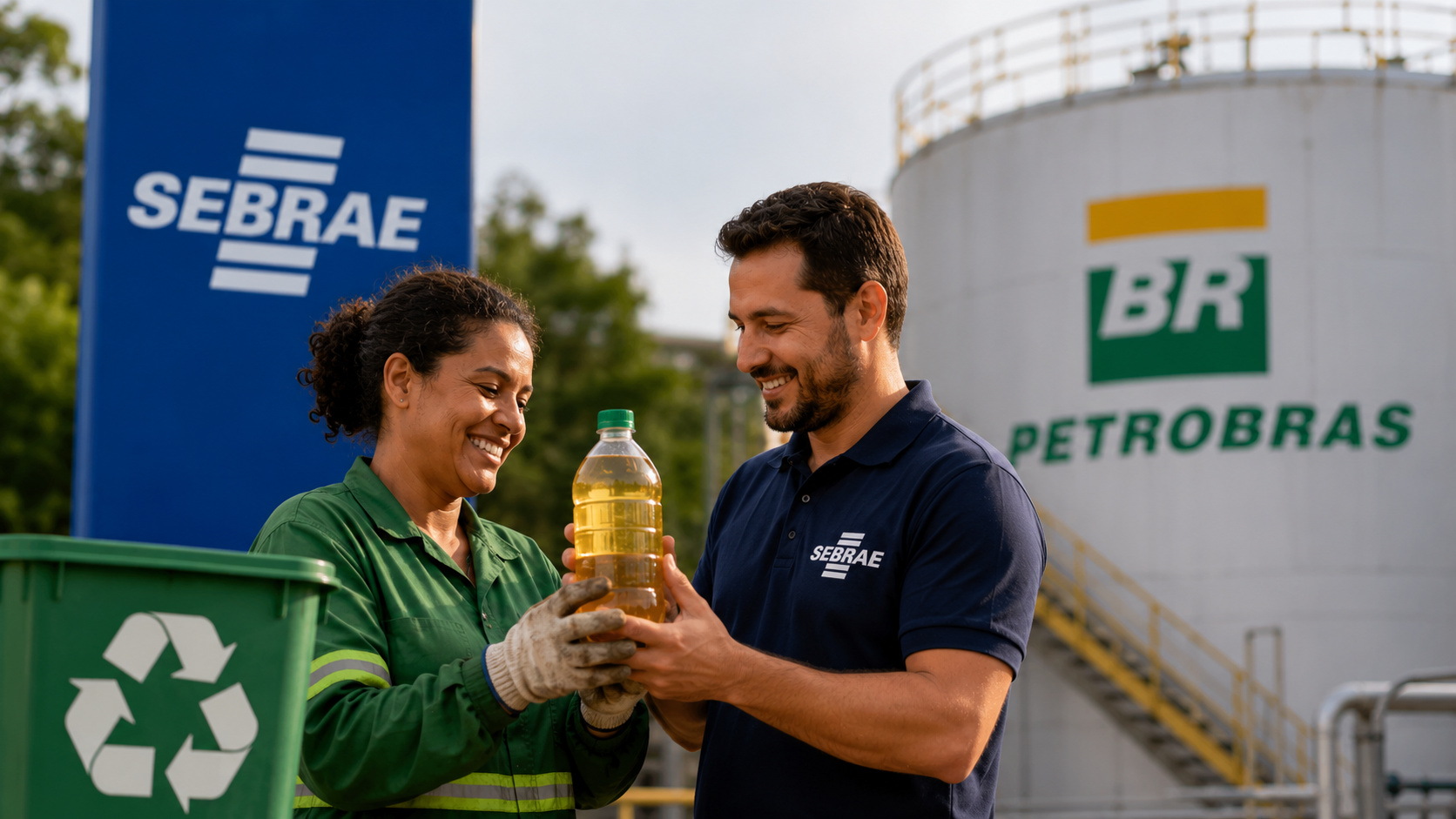
Sebrae and Petrobras join forces in Ceará to include waste pickers in the circular economy and strengthen the biofuel chain, creating new income opportunities and expanding the sustainable use of waste with a direct impact on regional development.

Technical Evaluation Of Biofuels And Energy Sustainability
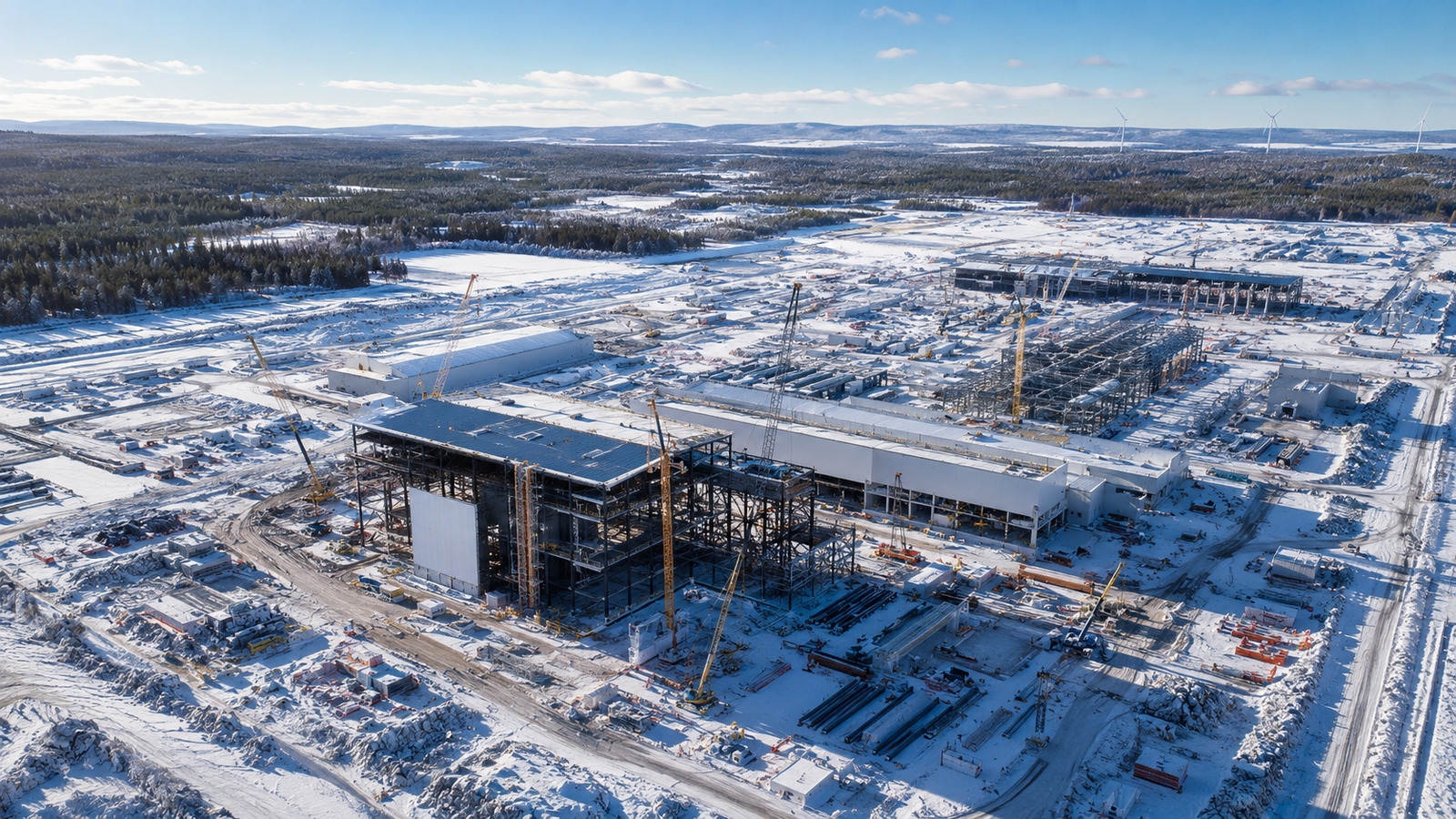
The New MME Subcommittee, Linked To The Permanent Technical Committee Of The Fuel Of The Future (CTP-CF), Was Created To Coordinate In-Depth Studies On The Blends Of Biodiesel And Ethanol.
The Group Brings Together Representatives From The Government, Laboratories, Universities, Producers, Distributors, And Automotive Companies, Promoting A Collaborative And Technical Approach.
The Initial Focus Of The Fuel Law Of The Future Will Be Biodiesel, With The Analysis Of Combinations Ranging From 15% (B15) To 25% (B25), Seeking To Understand The Behavior Of These Volumes In Engines, Tanks, And Refueling Systems.
The Second Focus Of Study Will Be Anhydrous Ethanol, With Tests In Gasoline At Levels Between 30% (E30) And 35% (E35).
These Evaluations, Scheduled To Start In November This Year, Aim To Identify The Real Impacts Of The New Blends On Vehicle Performance And The Energy Efficiency Of The Country.
Institutional Partnerships And Technological Innovation In The Fuel Law Of The Future
The Practical Implementation Of The Fuel Law Of The Future Is One Of The Pillars Of The National Energy Strategy.
By Creating The Subcommittee For Evaluating The Technical Feasibility Of High-Ratio Biofuel Blends, The MME Strengthens Cooperation Between The State, The Productive Sector, And Academia.
This Integration Is Essential To Develop Innovative Solutions That Address The Challenges Of Decarbonization And Energy Security.
In Addition To Promoting The Use Of Cleaner Fuels, The Measure Stimulates Applied Research, Opening Space For New Investments In Automotive Technology And Distribution Infrastructure.
According To The Ministry, The Technical Analyses Aim To Ensure That Future Regulations Follow Strict Criteria Of Quality And Efficiency, In Accordance With International Climate Goals.
Economic Impact And Just Transition In The Transport Sector
The Advancement Of The Fuel Law Of The Future Reinforces The Government’s Commitment To A Just, Safe, And Inclusive Energy Transition.
By Stimulating The Use Of Biofuels, Brazil Enhances Its Agricultural And Industrial Potential, Creates Jobs, And Reduces Carbon Emissions In Road Transport, A Sector Responsible For About 47% Of National Energy Emissions.
The Participation Of Public And Private Agents In This Process Ensures That The Solutions Developed Are Economically Viable And Technically Sound.
With The Gradual Introduction Of More Concentrated Blends Of Biodiesel And Ethanol, The Country Positions Itself As A Global Reference In Innovation And Sustainability In The Fuel Matrix.