






 Portuguese
  Spanish


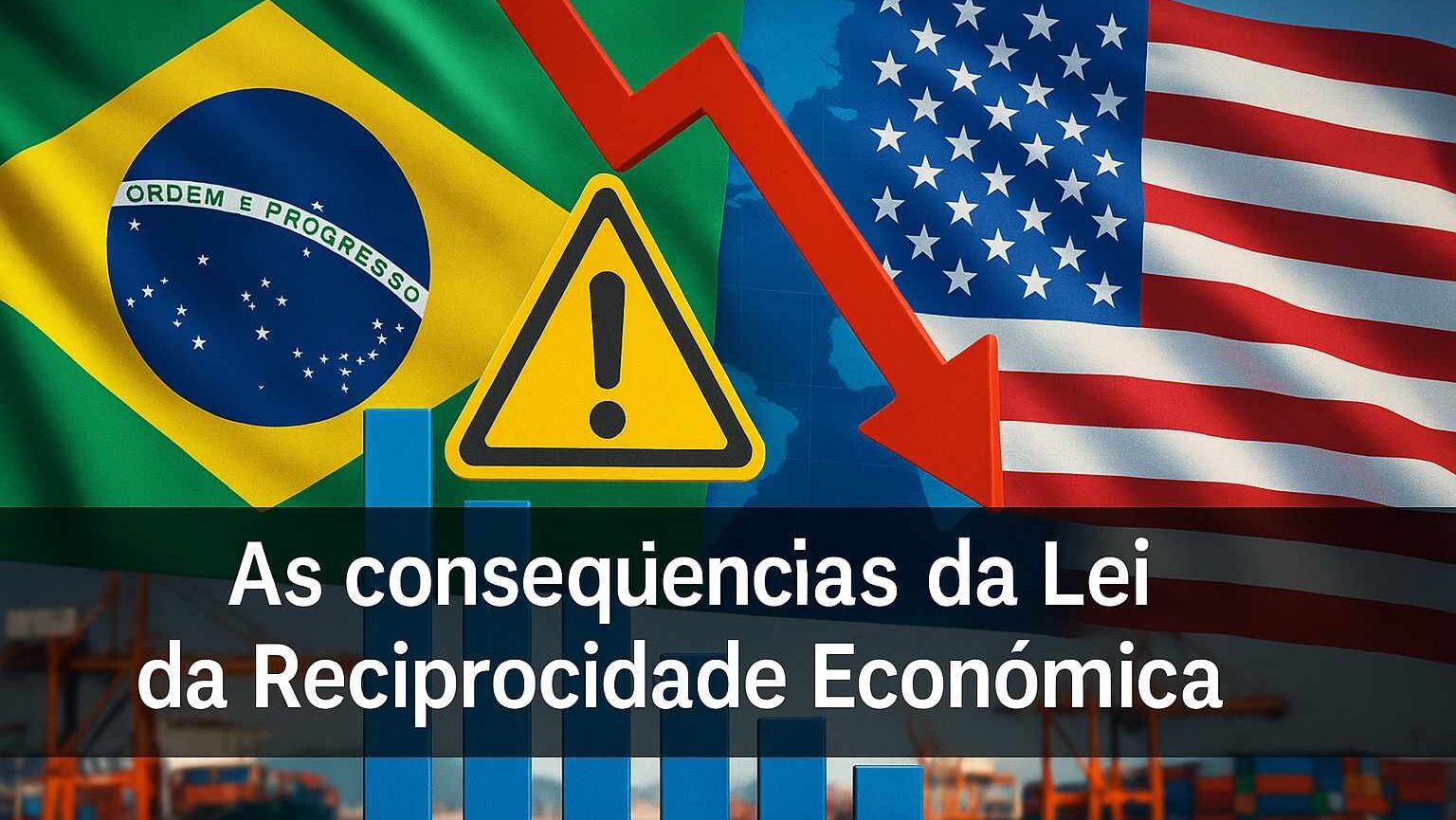
The Climate Of Trade Tension Between Brazil And The United States Has Taken On New Chapters After The Federal Government Activated The Economic Reciprocity Law. The Measure, Created To Protect National Competitiveness In The Face Of Unilateral Barriers, Opened The Door To Intense Debates Within The Productive Sector. Industry And Agriculture, Which Are On The Frontline Of The Impacts, Expressed Concern About The Risks Of Immediate Losses. For Representative Entities, The Haste To Adopt Countermeasures May Compromise Bilateral Negotiations Underway And Generate Side Effects On Strategic Exports.
After The Federal Government Initiated The Process For Applying The Economic Reciprocity Law Against The United States, Sectors Of Industry And Agriculture Have Manifested In Defense Of Caution.
The Farm Parliamentary Front (FPA) And The National Confederation Of Industry (CNI) Assess That The Measure, Although Legitimate, Should Be Considered Only After Bilateral Negotiations Have Been Exhausted.
Agriculture And Industry Press For Dialogue
The FPA Issued A Statement Emphasizing That The Immediate Activation Of The Law Could Hinder Ongoing Discussions At The Office Of The United States Trade Representative (USTR).
-
JBS Halts Beef Production for China as Brazil Exceeds 50% of 1.106 Million-Ton Quota; Tariff May Rise from 12% to 67%, Raising Concerns Over Cattle Prices.

-
Brazil’s Social Security Alters Biometric Rules for Pensions and Benefits, Sets 30-Day Deadline, Expands Requirements, and Clarifies Who Is Exempt from Immediate Update

-
Major Brazilian Supermarkets, Including Carrefour and Assaí, May Close Earlier to Prevent Price Increases
-
Coca-Cola Shuts Down 100-Year-Old Factory in the U.S., Impacting 85 Workers and Shaking Local Community with Historic Consequences


Brazil Will Have The Opportunity To Present Its Defense Starting On September 3. According To The Front, It Is Essential That The Process Follows Technical And Commercial Criteria, Avoiding Misleading Signals That Compromise Regulatory Predictability.
FPA NOTE:
In Light Of The Uncertainties Generated By Recent U.S. Tariff Policy — Including The Adoption Of High Tariffs On Brazilian Products — The FPA Advocates Caution In The Immediate Application Of The Reciprocity Law, Prioritizing Technical And Commercial Criteria.
The Oral Defense Phase For Various Entities And Representatives Of The Brazilian Productive Sector In The Formal Process Conducted By The Office Of The United States Trade Representative (USTR) Begins On September 3 In Washington, D.C. This Is A Strategic Agenda To Present Technical Arguments In Defense Of Brazilian Products And Seek The Reversal Or Mitigation Of The Trade Barriers Imposed On The Country.
Premature Evaluation Of Countermeasures At This Moment Could Send Misleading Signals And Compromise Brazil’s Own International Negotiation Strategy.
The Front Recognizes The Value Of The Law As A Legitimate Tool For Economic Defense, But Reinforces That Its Utilization Must Respect Due Process And The Strategic Moment. Decree No. 12.551/2025, Which Regulates The Application Of The Norm, Provides For Technical Instances Such As Camex (Chamber Of Foreign Trade), Which Must Be Heard And Respected Before Any Deliberation.
The CNI Also Advocated For Prudence. The President Of The Entity, Ricardo Alban, Stated That “This Is Not The Time” To Activate The Mechanism.
He Emphasized The Importance Of Preserving The Bilateral Relationship And Advocated For Dialogue As An Alternative To Reverse The 50% Tariff Imposed On Brazilian Products.
To Reinforce This Positioning, The Confederation Organized A Delegation Of Over 100 Business People Who Will Travel To Washington This Week.
What The Economic Reciprocity Law Says
Enacted On April 11, 2025, Law No. 15.122 Establishes Criteria For Suspending Trade Concessions, Limiting Investments, And Easing Intellectual Property Obligations When Another Country Adopts Unilateral Measures Against Brazil.
The Text Was Regulated On July 15 By Decree No. 12.551, Which Created An Interministerial Committee To Monitor Negotiations And Propose Countermeasures.
In Practice, The Law Functions As A Reaction Manual. It Defines Hypotheses For Application, Lists Possible Instruments, And Organizes The Decision-Making Process.
Among The Hypotheses Are Foreign Acts That Interfere In Brazil’s Sovereign Choices Or Impose Barriers Without Support From International Agreements. The Measures Can Be Provisional, On An Exceptional Basis, When A Quick Response Is Necessary.
How The Process Works At Camex
The Process Begins With Internal Consultations For Camex To Evaluate, Within 30 Days, Whether The U.S. Tariffs Fall Under The Hypotheses Of The Law.
If They Do, The Issue Goes To The Competent Collegiate And May Include A Working Group To Detail Countermeasures. These Proposals Go Through Public Consultation Before The Final Decision.
The Goal Is To Pressure For Negotiation, While Maintaining Space For Bilateral Agreement. In Parallel, Brazil May Activate The World Trade Organization (WTO) If Necessary. This Combination Of Channels Seeks To Balance Diplomacy And Legal Preparation.
The American Tariff Surge
The U.S. Government Imposed 50% Tariffs On Brazilian Products. The Package Was Formalized On July 30, 2025, And Took Effect On August 6. There Were Exceptions, Such As Orange Juice And Aircraft, But Important Items Like Coffee And Meat Were Affected.
The White House Associated The Measures With Internal Political Disputes In Brazil, Which Increased Diplomatic Tension. According To Itamaraty, Using Tariffs To Pressure National Court Decisions Is Considered Interference In Internal Affairs. This Assessment Was Recorded In An Official Document Sent To Camex.
Intellectual Property At The Center Of The Debate
One Of The Sensitive Points Of The Law Is The Possibility Of Suspending Intellectual Property Obligations In Response To Foreign Measures.
This Does Not Mean Automatic Patent Breakage. It Is A Faculty Of The Executive, Applied In A Targeted And Justified Manner.
The Decree Emphasizes That Exceptional Measures May Be Adopted While Seeking Negotiated Solutions.
In Addition To Intellectual Property, The Law Provides For Countermeasures On Goods And Services, As Well As Suspension Of Trade Concessions. The Definition Of Targets Will Depend On Technical Studies And Dialogue With Affected Companies.
Political Signal And Government Strategy
Although Initiating The Process, The Planalto Has Indicated A Preference For Dialogue. President Luiz Inácio Lula Da Silva Stated That There Is No Rush To Retaliate.
The Sending Of The Official Document And The Activation Of The Process, However, Function As A Deterrent Signal. They Indicate That Brazil Is Ready To Respond If Negotiations Do Not Progress.
Based On The Law And The Decree, Camex Must Quantify Impacts, Simulate Scenarios, And Propose Alternatives. Only After This Stage Will The Government Decide Whether To Apply Countermeasures Or Maintain Diplomatic Pressure. The Official Communication To The U.S. Is Part Of This Roadmap.
What To Expect In The Coming Days
The Next 30 Days Will Be Decisive. Camex Needs To Conclude The Initial Analysis Within This Period. Meanwhile, Exporting Sectors Are Monitoring The Effects Of The Tariffs, Especially In Agriculture And Industry. Depending On The Evolution Of Discussions In Washington, The Government May Consider Provisional Measures, Provided For By Law, To Prevent Greater Damage.
In The View Of Experts, The Structure Created By The Law Provides Predictability In A Moment Of Tension. It Offers Legal And Political Instruments, But It Will Be Up To The Government’s Leadership To Determine Whether And How To Use Them.


-

-

-

3 people reacted to this.