






 Portuguese
  Spanish
 3 min of reading
  0 comments


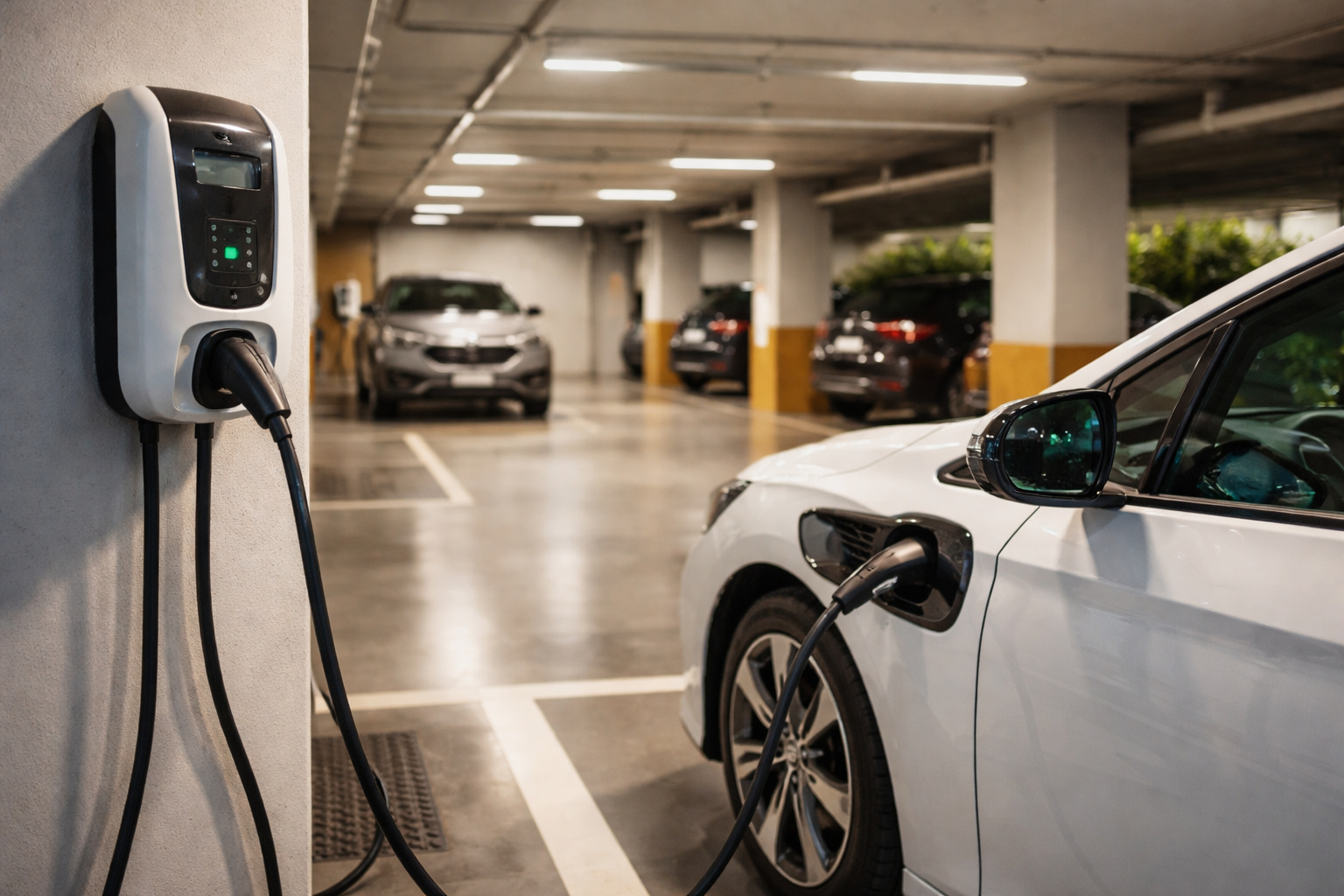
New Norm Published on February 19, 2026 Assures the Resident Right to Install Charging Station, as Long as Electrical and Safety Requirements Are Met
A legislative change with a direct impact on electric mobility was recently formalized in the state of São Paulo, attracting the attention of residents, property managers, and the real estate sector.
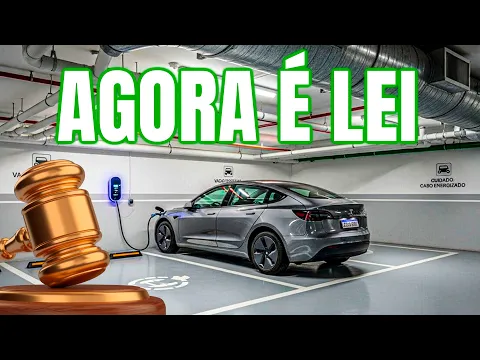
The new state law, signed by Governor Tarcísio de Freitas on February 19, 2026, was published in the Official State Gazette and assures the condominium owner the right to install a electric vehicle charger in their private parking space.
This measure allows installation even without prior authorization from the condominium, as long as technical and safety requirements are met.
Thus, internal decisions that generically impeded garage adaptations now have clear and documented limits.
Individual Right Now Has Explicit Legal Backing
The new norm establishes that the resident may install, at their own expense, an individual charging station.
Furthermore, the condominium cannot prohibit the installation without presenting properly substantiated and proven technical justification.
This provision restricts refusals based solely on broad internal rules that lack technical foundation.
Thus, the rights of the condominium owner now receive express legal protection, provided the criteria are respected.
Technical Requirements Become Mandatory
Although the right is guaranteed, the law sets clear requirements.
The installation must respect the electrical capacity of the consuming unit.
Additionally, the norms of the energy concessionaire and current national technical standards must be followed.
The service must be performed by a qualified professional, with the issuance of a technical responsibility record.
Before starting the installation, the condominium management must be formally notified.
-
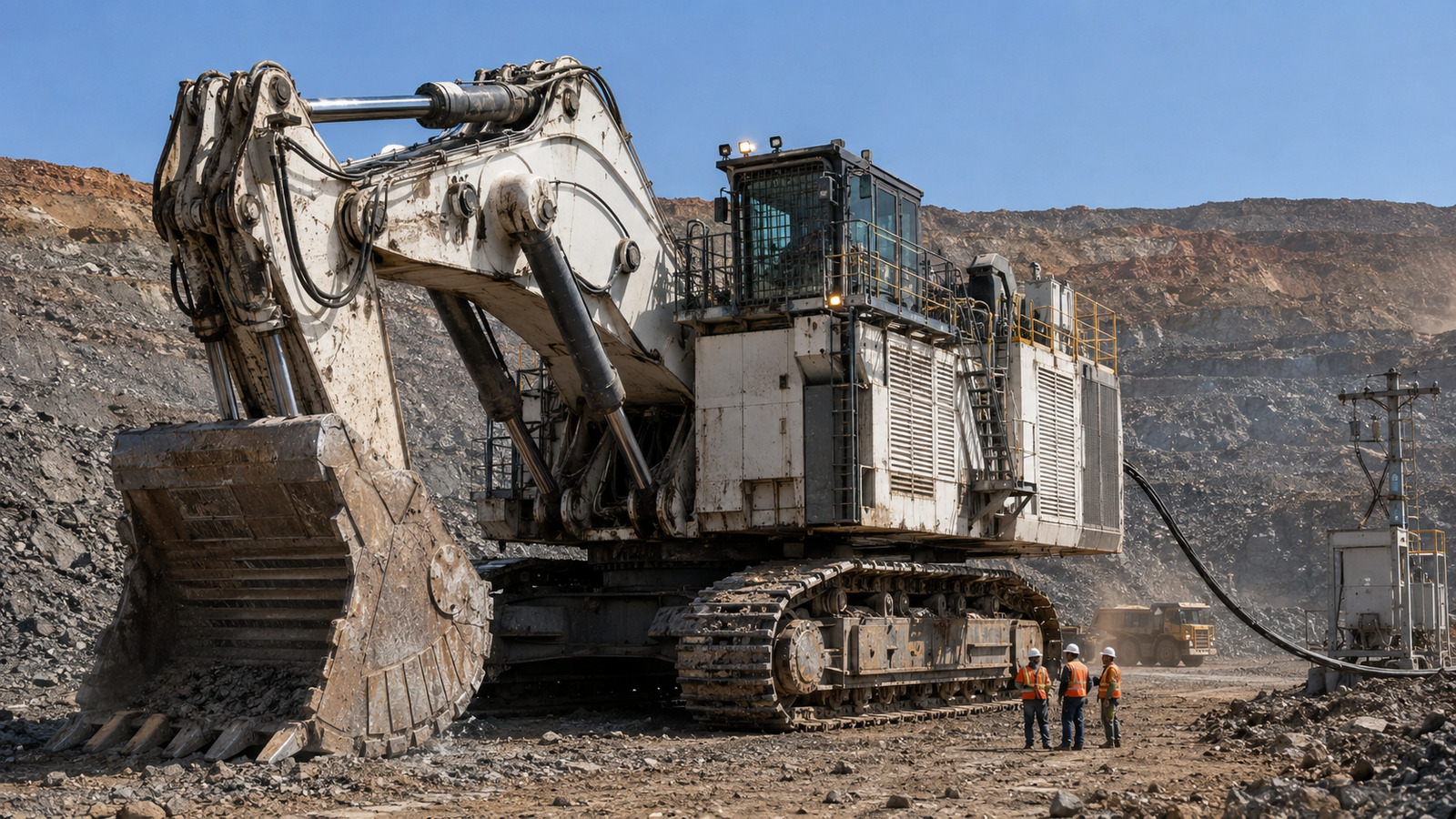
Unprecedented achievement in India: a colossal 650-ton, nearly 3,000 hp excavator is transformed into 100% electric, marking a new phase in heavy mining.

-
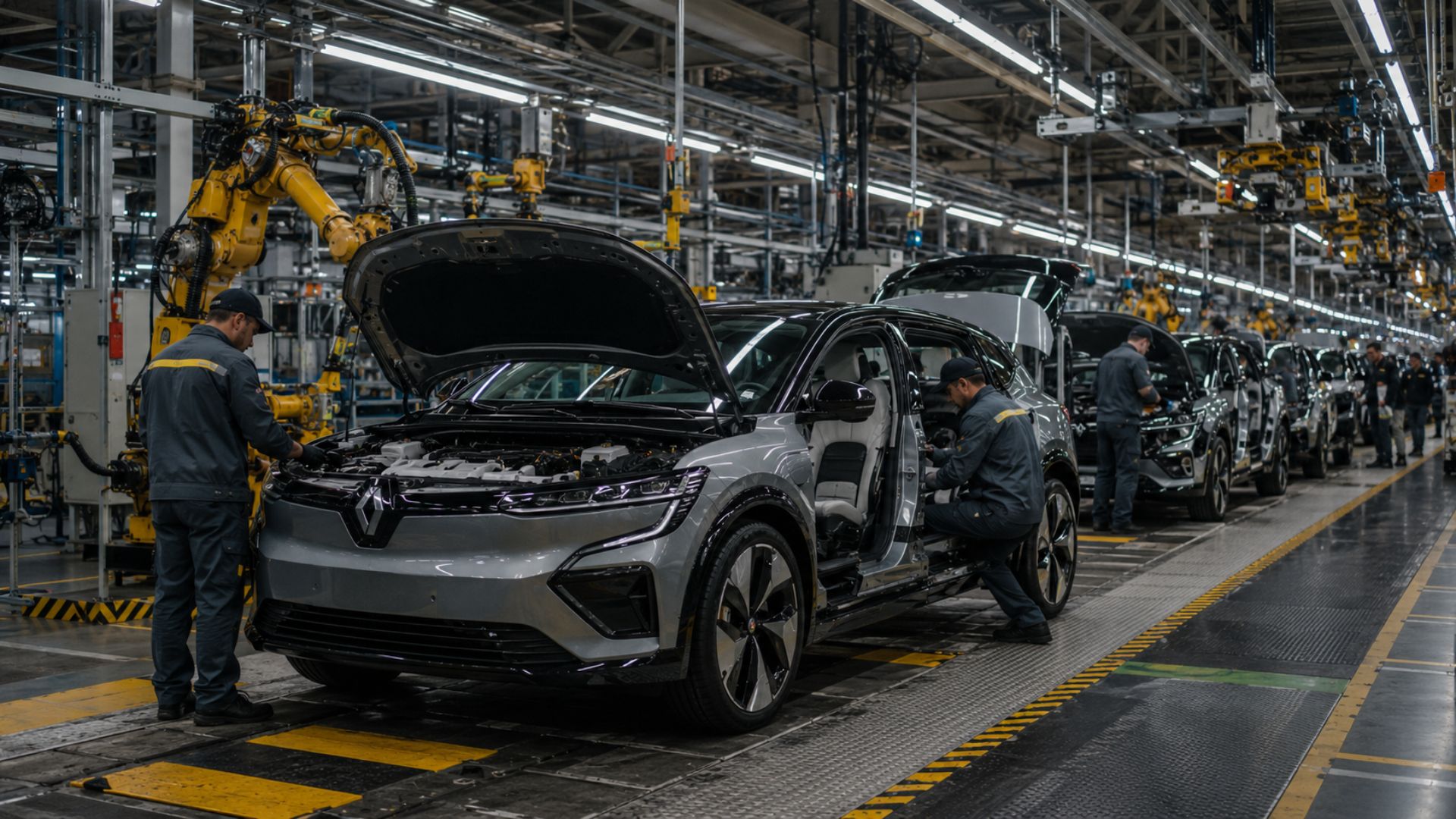
Frightened by the speed of Chinese manufacturers, Renault decided to mimic the pace, made the new electric Twingo in just 21 months, wants to repeat the feat with 36 models by 2030, and along the way, will cut up to 2,400 engineering positions.

-
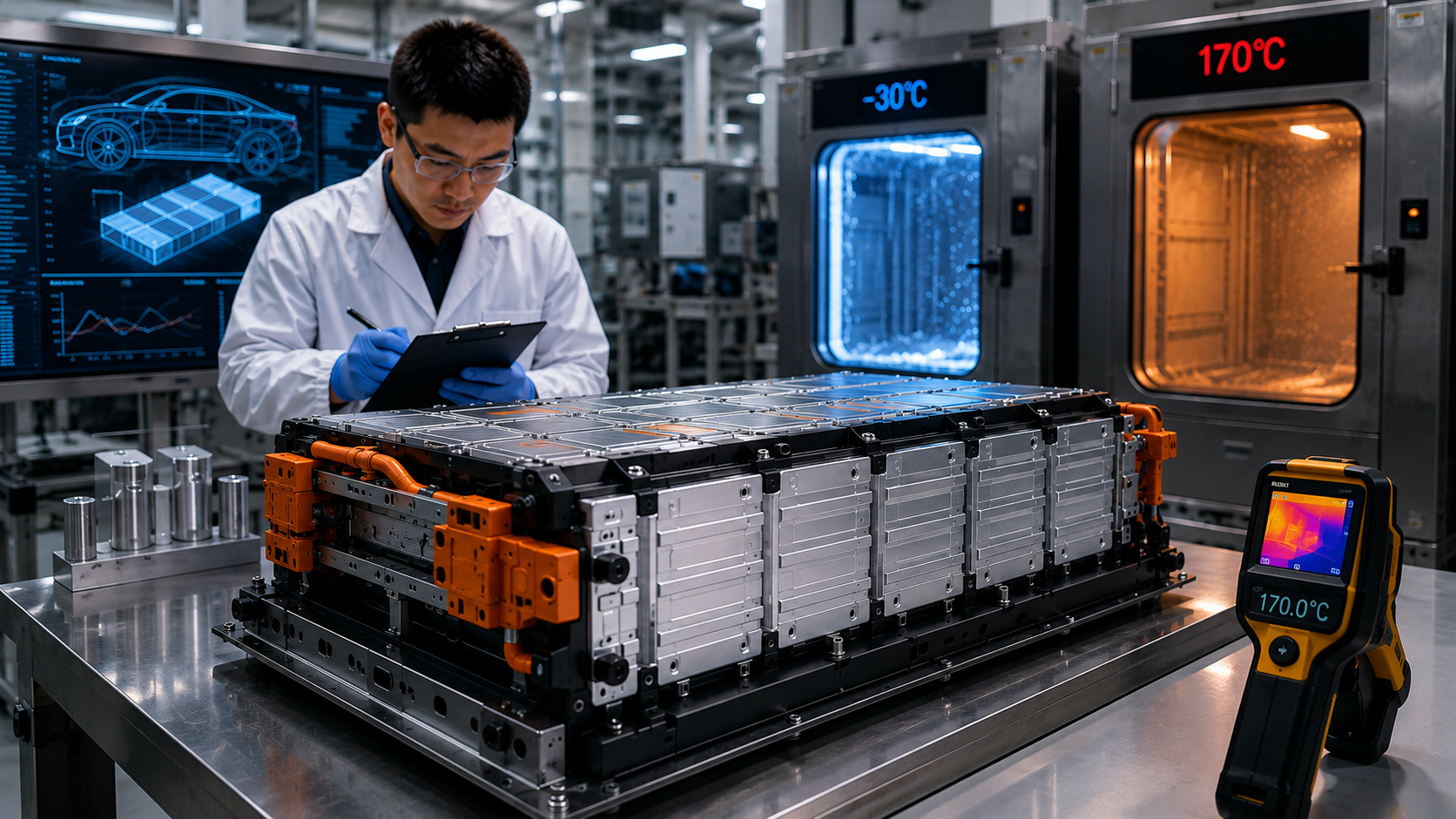
Chinese battery from Dongfeng promises to exceed 1,000 km without relying on liquid electrolyte, and the detail behind the technology could change the electric car competition.

-
The end of the automotive combustion era has already begun, but many in Brazil have not yet realized the magnitude of the shift towards Chinese electric cars.

Condominium Rules Remain Valid, but with Limits
The condominium convention may regulate the communication method and establish technical standards.
It may also define responsibilities for any damages and electricity consumption.
However, these rules cannot serve as an automatic impediment to the resident’s right.
If the request is denied without adequate technical justification or in a situation deemed discriminatory, the condominium owner may appeal to the relevant public authorities.

Fire Department Clarifies Impact on AVCB
The Fire Department of the State of São Paulo clarified that the law only addresses the right to install the charger.
The agency maintains the requirements related to the Fire Safety Inspection Report (AVCB).
This document continues to confirm the fire safety conditions of the building.
The firefighters will not inspect the charging point in isolation.
However, if there is a complaint or request for inspection, the agency may inspect the building as usual.
During the renewal of the AVCB, technicians will assess the charger as part of the building’s electrical system.
The team will also evaluate emergency exits, signage, fire prevention systems, and overall electrical conditions.
Nevertheless, the mere installation of the equipment does not automatically alter the validity of the document.
New Developments Must Account for Electrical Capacity
In addition to the rules for existing buildings, the law sets requirements for new developments.
Starting from projects approved after February 2026, construction companies must anticipate minimum capacity in electrical systems.
This way, residents can install charging stations for electric vehicles in the future.
However, the Executive Branch will still define specific technical criteria.
What Is Required to Install the Charger
To ensure compliance with the new law, the resident must meet objective requirements:
- Ensure compatibility between equipment and electrical capacity of the unit;
- Follow norms of the energy concessionaire and current national technical rules;
- Hire a qualified professional with a technical responsibility record;
- Formally notify the condominium before installation.
In summary, the state legislation establishes clear technical parameters and limits generic prohibitions.
Moreover, the norm strengthens the expansion of infrastructure for electric vehicles in condominiums.
Thus, São Paulo creates transparent rules that reconcile individual rights, electrical safety, and condominium responsibility.
In light of this regulatory advancement, are condominiums prepared to adapt their electrical infrastructure to the growth of electric mobility?




Be the first to react!