Portuguese
  Spanish


TST Acquires 30 Units of the Lexus ES300h, Luxury Hybrid Sedan, for Institutional Use, in Purchase Exceeding R$ 10 Million and Including Advanced Safety, Comfort, and Driver Assistance Technology.
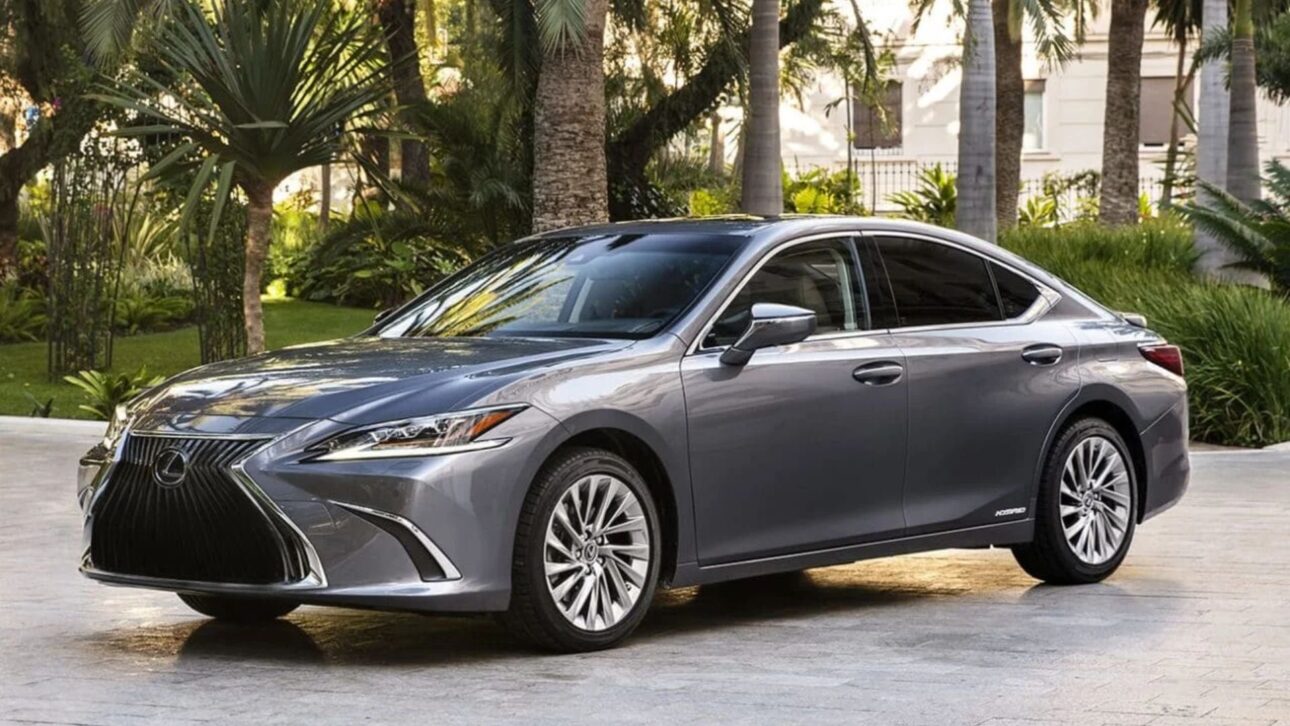
The Superior Labor Court confirmed the acquisition of 30 units of the Lexus ES300h to serve its 27 ministers, in a fleet renewal process expected to occur, on average, every seven years.
The unit price paid was around R$ 346 thousand, below the suggested price of R$ 360,990, which led the total expenditure to exceed R$ 10.3 million.
The acquisition was formalized at the request of the Director-General of the Court’s Secretariat, Gustavo Caribé de Carvalho, as publicly reported.
-
Fiat Cronos Precision 2018: Affordable Sedan with Spacious Trunk and Reliable Maintenance

-
Volkswagen to Cut Production by 1 Million Cars by 2030, Reducing Jobs and Platforms, Focusing on More Profitable Models

-
Toyota Launches First 100% Electric Car in Brazil: bZ4X with 343 HP, All-Wheel Drive, 361 km Range, Priced at $419,990 BRL, Limited to 99 Units

-
Chinese SUV Achieves 24.4 km/l, Outperforms Toyota Yaris Cross in Real-World Tests with 224 hp Hybrid System, Offers 51-Liter Tank for Greater Range, and Costs Up to R$ 5,000 Less.


Although it is a luxury sedan from Toyota’s premium brand, the choice fell on a hybrid model focused on efficiency and safety.
The ES300h delivers 210 hp combined and average fuel consumption advertised at over 15 km/l with gasoline, in addition to an extensive package of driver assistance features and comfort for the daily use of authorities.
Purchase, Values, and Justification for Renewal
The fleet replacement follows TST’s policy of periodic updates. According to disclosed data, each car was billed at around R$ 346 thousand, a value lower than the table price.
Nonetheless, the total spending exceeds R$ 10 million, given the volume of units.
The quantity exceeding the number of ministers considers the need for reserve and support vehicles, a common practice in public agencies when planning operations for several years.
Dimensions and Design of a Large Sedan
Built on the modular platform TNGA GA-K, the same base used in the Toyota Camry, the ES300h is often described as the “rich cousin” of the Toyota sedan.
The proportions make its size clear: nearly 5 meters in length, 1.86 meters in width, and 2.87 meters in wheelbase.
This seventh generation, launched in 2018, is the largest in the ES lineup and prioritizes highway stability, onboard silence, and space in the second row, relevant items for executive travel.
Hybrid Powertrain and Performance
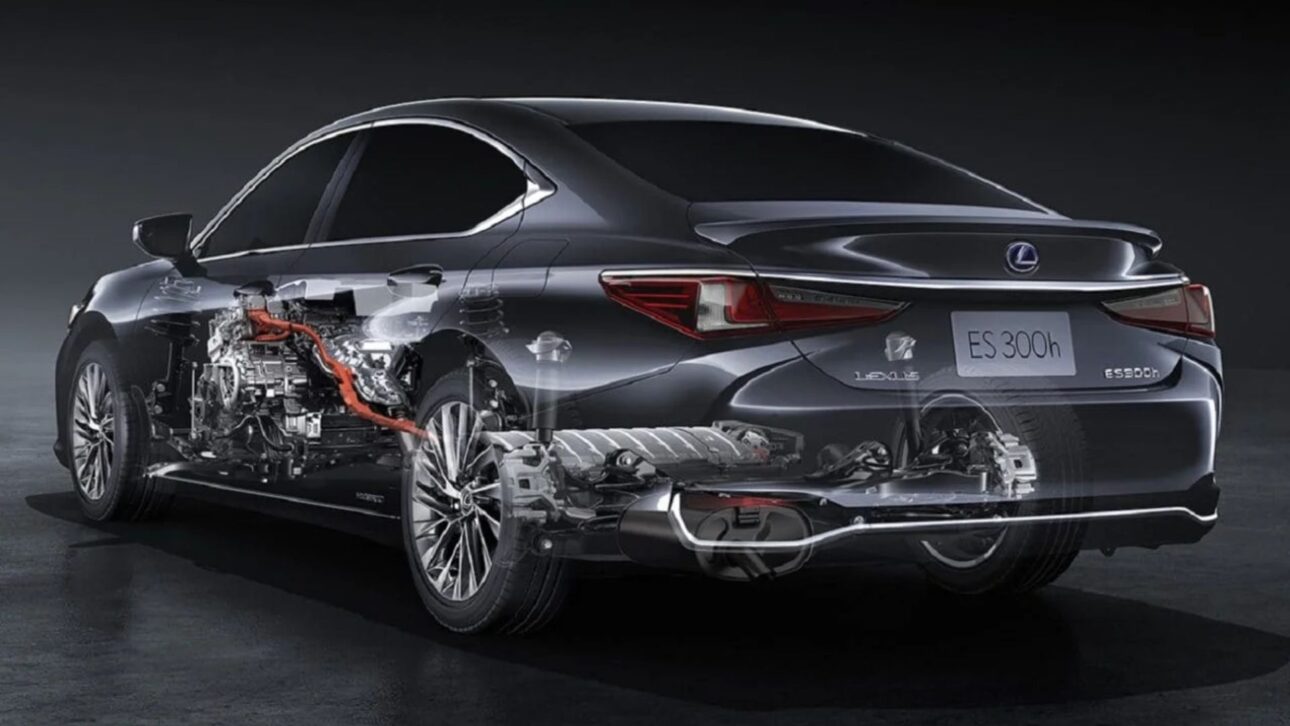
The suffix “h” highlights the hybrid technology, which combines a 2.5 gasoline engine with power around 180 hp and an electric motor of approximately 120 hp.
Together, the combined power reaches 210 hp.
In practice, the acceleration from 0 to 100 km/h is achieved in 8.9 seconds, performance suitable for highway and urban use with safety limitations.
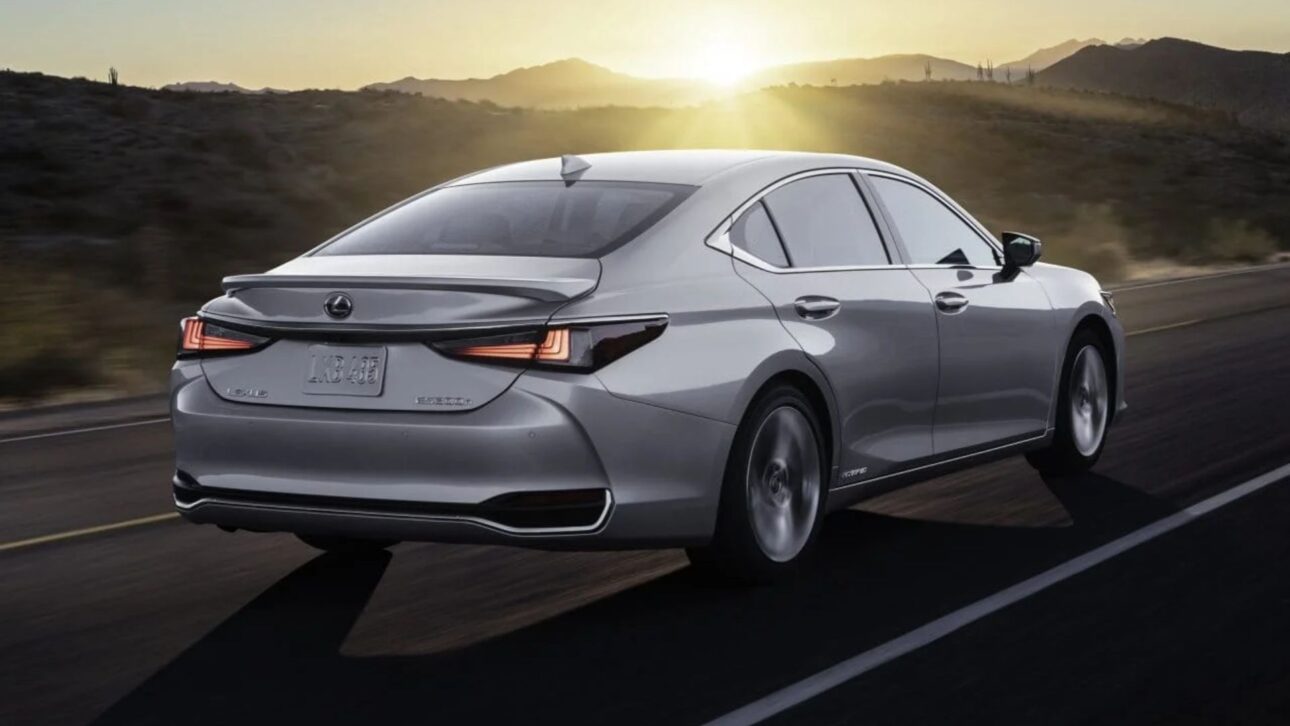
Energy efficiency is one of the model’s pillars: the average fuel consumption reported exceeds 15 km/l of gasoline, a benefit that reduces stops for refueling and, consequently, the idle time of the fleet.
Ride Comfort and Dynamics
To prioritize comfort without compromising control, the ES300h adopts independent suspensions on all four wheels, with multilink at the rear, a solution that filters pavement imperfections and provides greater precision in curves.
The disc brakes on all wheels work with 18-inch alloy wheels, a dimension that balances impact absorption and stability at cruising speeds.
These elements, combined with the brand’s characteristic sound insulation, create an environment conducive to conversation and work during travel.
Standard Equipment and Active Safety
The list of items for the ES300h includes 10 airbags, dual-zone digital air conditioning with controls for rear occupants, front seats with electric adjustments and ventilation/heating, as well as memory settings for the driver’s seat.
The steering column has electric height and depth adjustment, and the head-up display projects data onto the windshield, reducing attention diversion.
There is native GPS, an electric trunk lid with proximity opening and closing, and the Mark Levinson sound system, with 17 speakers, aimed at faithful reproduction at high and low speeds.
The list continues with courtesy lights in the door handles, external mirrors with convenience functions, 360º cameras, and a 12.3-inch multimedia center.
Parking sensors at the front and rear assist with maneuvers in garages and restricted areas, while the driver assistance package adds adaptive cruise control (ACC), front collision warning, autonomous emergency braking, lane-keeping assist, and automatic high beam with matrix spotlight and automatic switching.
In passive and active safety, it is a set focused on reducing risks during frequent travel.
Interior Finish and Ergonomics
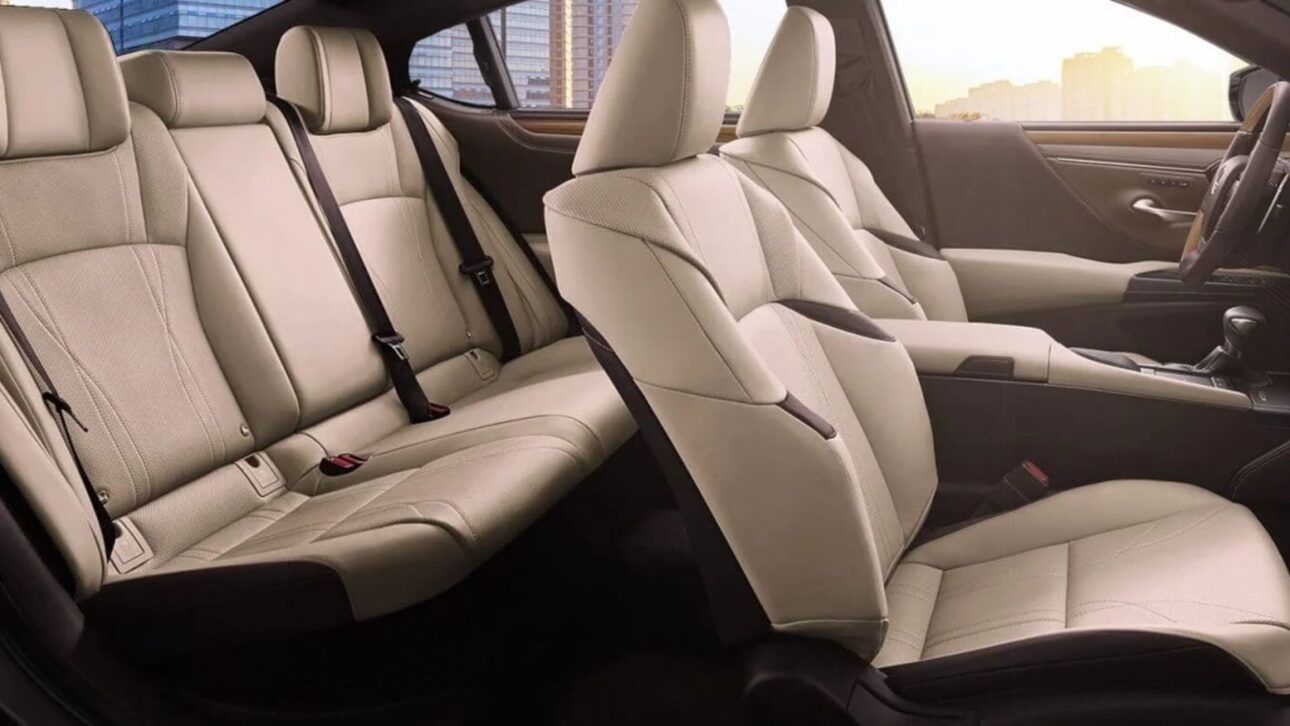
The cabin prioritizes soft-touch materials and a classic visual. The upholstery is majority leather, with some genuine leather, and there are wood applications on the dashboard and central console.
The controls follow the brand’s logic, with ergonomics that favor intuitive use by different drivers, something relevant in an institutional fleet.
The silence onboard is due not only to the insulation but also to the operation of the hybrid system at low loads, when the electric propulsion can operate alone.
Why the ES300h for an Official Fleet
Efficiency and predictability of maintenance weigh in the choice of service vehicles.
In scenarios of heavy traffic, the hybrid system usually saves fuel and reduces component wear, as regenerative braking helps with the brakes.
The ADAS package contributes to the safety of the journey, while the comfort items meet the demands of tight schedules.
The set of dimensions, in turn, favors internal space without compromising maneuverability in urban areas when compared to even larger sedans.
Lexus Line in Brazil: Alternatives and Positioning
Besides the ES300h, the brand markets in Brazil a range centered on hybrid SUVs, plug-in hybrids, and conventional models.
The UX300h figures as an entry point at around R$ 300 thousand, while the NX300h appears in ranges from R$ 386 thousand to R$ 448 thousand depending on versions and equipment.
In the plug-in category, the NX450h PHEV is positioned at about R$ 458 thousand. At the top, the RX line includes the RX500h for approximately R$ 581 thousand and the RX450h PHEV around R$ 610 thousand.
These values place the ES300h in the middle of the portfolio in terms of price and proposal: it is not the most expensive in the range, but offers a robust package of efficiency, technology, and finish.