






 Portuguese
  Spanish
  3 min of reading
  0 comments


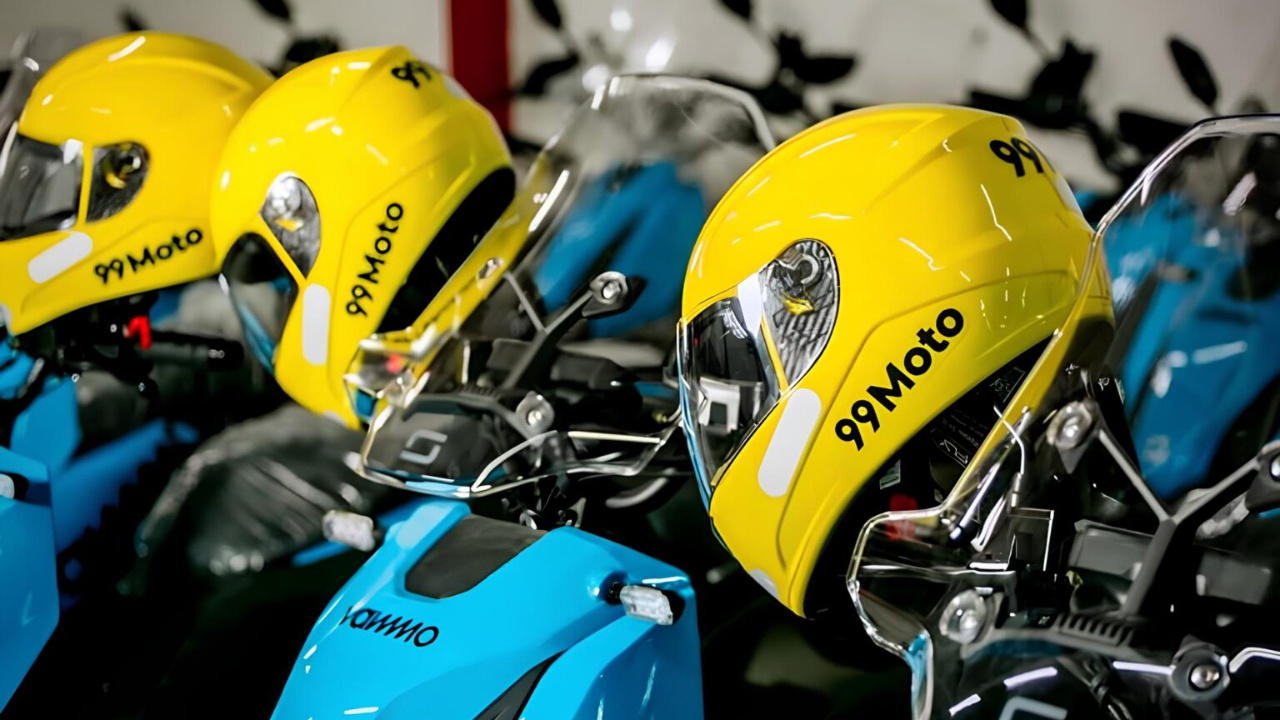
Lula and 99 Reveal R$ 6 Billion Package for Delivery Workers, Highlighting Electric Vehicles, Bicycles, and Sustainable Motorcycles. Investment Promises to Transform Urban Mobility and Generate Positive Environmental Impact.
The Palácio do Planalto was the stage, this Monday (15), for a historic announcement for the mobility sector in Brazil. President Luiz Inácio Lula da Silva, accompanied by executives from 99 and DiDi Global Inc., revealed a R$ 6 billion package aimed at programs for delivery workers.
The plan aims to expand access to electric vehicles and create more inclusive health and transport solutions for thousands of workers.
Focus on Sustainability with Electric Motorcycles and Bicycles
One of the main initiatives of the package is related to the electrification of the fleet used by delivery workers. 99 has launched, in partnership with companies like Galgo, Riba, and Vammo, a credit and rental program for electric motorcycles. The project has already begun in São Paulo and Belém, the host city of COP30, and is expected to reach up to 600,000 professionals in a timeframe of 3 to 5 years.
-
Unprecedented achievement in India: a colossal 650-ton, nearly 3,000 hp excavator is transformed into 100% electric, marking a new phase in heavy mining.

-
Frightened by the speed of Chinese manufacturers, Renault decided to mimic the pace, made the new electric Twingo in just 21 months, wants to repeat the feat with 36 models by 2030, and along the way, will cut up to 2,400 engineering positions.

-
Chinese battery from Dongfeng promises to exceed 1,000 km without relying on liquid electrolyte, and the detail behind the technology could change the electric car competition.

-
The end of the automotive combustion era has already begun, but many in Brazil have not yet realized the magnitude of the shift towards Chinese electric cars.
In addition to motorcycles, the company announced a pilot program for electric bicycles in São Paulo, conducted in partnership with Bebike, Bliv, and Riba. The initial phase includes 500 units, but the expectation is to benefit 10,000 workers in the next 18 months.
Partnership with Yadea and Expansion of the Electric Fleet
Another highlight was the strategic partnership with Yadea, the world’s leading manufacturer of two-wheeled vehicles. The goal is to develop electric models tailored to the specificities of Brazilian cities, offering more affordable prices for 99’s partner drivers. It is estimated that the reduction in fueling and maintenance costs could reach 60%, directly increasing workers’ income.
During the event, a joint action with the Ministry of Health was also announced. 99 will donate R$ 1 million in transport vouchers for SUS patients. In the pilot project, 43,000 ride vouchers will be distributed across 32 Brazilian cities, covering 22 states and the Federal District. The aim is to reduce the rate of missed appointments and exams due to lack of transport access.
According to Jean Liu, co-founder and Chief People Officer of DiDi, “our role goes beyond technology: it’s ensuring that mobility serves people and is accessible.”
Lula and 99 Reinforce Commitment to Electric Vehicles
The global CEO of DiDi, Will Cheng, emphasized that the company’s goal is to accelerate the transition to electric vehicles in Brazil. “We are investing so that Brazilian delivery workers have access to the most modern and sustainable solutions in the world, expanding their income opportunities and supporting the transition to electric vehicles,” he stated.
President Lula highlighted the importance of investment for the country, pointing out that the initiative strengthens job generation, promotes sustainable mobility, and connects social policies with technological innovation.
The event also brought news about the expansion of 99Food, a delivery service recently relaunched. The company announced it will double the initial investment, reaching R$ 2 billion by June 2026. The platform, already present in São Paulo and Goiânia, is set to expand to other capitals soon.
Furthermore, 99 emphasized its leadership in the Alliance for Sustainable Mobility, formed by 23 companies. The initiative aims to accelerate the adoption of electric vehicles and strengthen charging infrastructure in Brazil, consolidating the company’s commitment to cleaner, accessible mobility integrated into the future of cities.




Be the first to react!