Portuguese
  Spanish


Government Considers Prioritizing Equipment from Europe, Russia, and China in Future Bids, but Brazilian Military Officials Warn of Dependence Risks and Impact on Logistics
President Luiz Inácio Lula da Silva is evaluating, according to sources from the Palácio do Planalto, adopting a boycott of military equipment from the United States, repeating the model already practiced against Israel. The measure, suggested by a radical faction of the government due to Donald Trump’s political tariff, has been discussed in recent weeks and has raised concerns among Armed Forces officials. The Brazilian Army opposes the proposal, warning of risks to logistics and the supply of replacement parts.
Despite recent provocations between Lula and Donald Trump, military relations between Brazil and the United States remain stable, with joint exercises scheduled to take place in the Northeast in the coming weeks. This cooperative environment, according to military officials, contrasts with the possibility of a rupture in defense purchases.
-
Major Company Shuts Down 70-Year-Old Factory in Brazil, Relocating Production and Impacting Over 100 Families

-
Toyota Shuts Down Brazilian Plant After Producing Over 1 Million Vehicles, Plans Special Destination for Final Corolla Produced Following $2.1 Billion Investment and Expansion.
-
Shoe Factories Close, Leaving 528 Workers Jobless in Sudden Turn of Events Affecting Hundreds of Families After Decades of Operation.
-
Chinese Automaker Plans Second Mega Factory in Brazil with $2 Billion Investment to Produce Electric and Hybrid Cars in Strategic Location.


Planalto Discusses Alternatives to the American Market
According to sources consulted by the portal Radar de Veja, the government’s initial guideline would be to prioritize military products from Europe, Russia, and China in future bids. The goal would be to reduce dependence on American suppliers in a context of political tensions. However, military commanders see elevated risks in this strategy.
According to consulted generals, the boycott could generate immediate logistical impacts, as much of the Brazilian arsenal is of American origin. This includes aircraft, helicopters, and weapon systems that require constant support from U.S. manufacturers for maintenance and technological upgrades.
Dependence on American Helicopters and Missiles
The Brazilian Army, for example, sent a delegation to the United States last year to negotiate the purchase of twenty H-60L Black Hawk helicopters, an aircraft considered essential in military and humanitarian operations. Additionally, in March of this year, the Brazilian government signed a contract for US$ 74 million to acquire Javelin missiles, along with replacement parts, support equipment, and training packages.
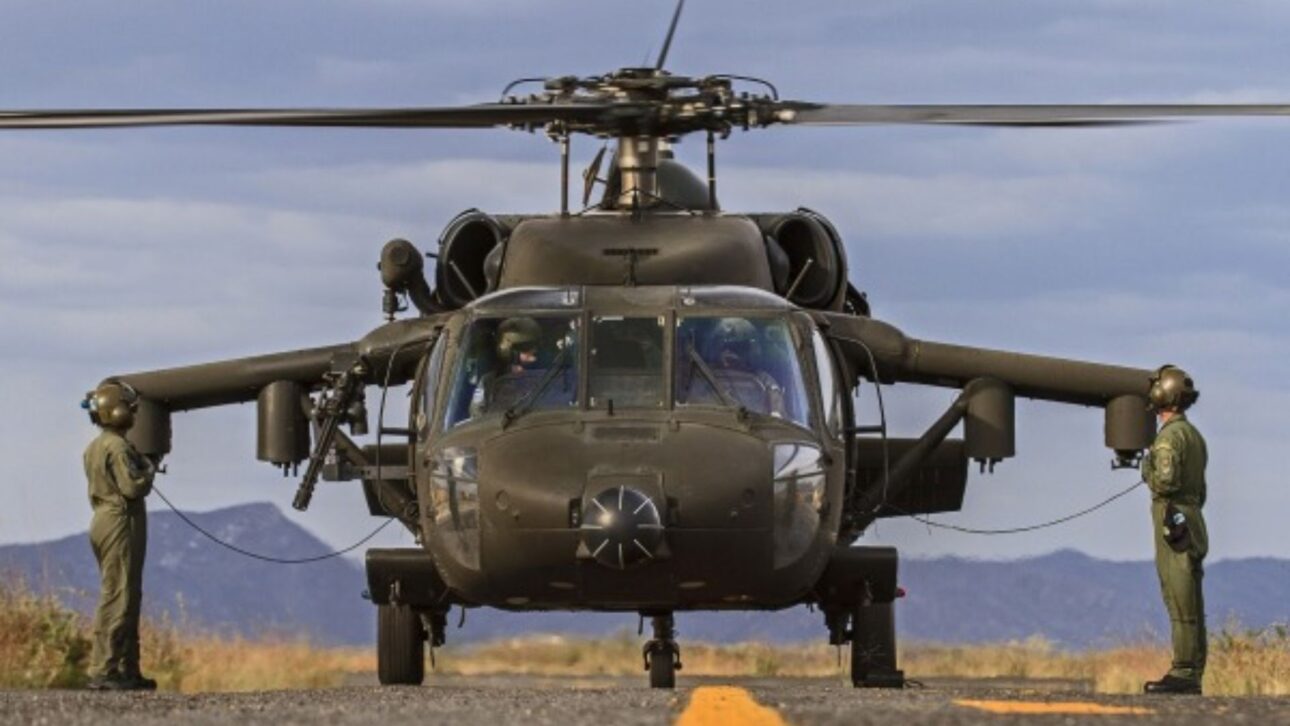
For officials consulted by Radar, any interruption in negotiations with Washington could jeopardize already signed contracts and difficulties in supplying critical supplies, harming the operational readiness of the Armed Forces.
Government Has Yet to Confirm Official Position
So far, the Planalto has not formalized the decision. Close interlocutors of Lula say that the president has shown sympathy for the proposal but is still evaluating the strategic impacts before taking a definitive stance. Mixing political disputes with military agreements is viewed with caution within the military, which seeks to preserve technical cooperation with foreign partners regardless of diplomatic tensions.
The information was disclosed by the column Radar, of Veja, in a report signed by Robson Bonin. The text highlights that the government has not yet established a timeline or formal guideline regarding the possible restriction.
Bilateral Relations Under Scrutiny
Military analysts consulted by the press point out that a rupture in defense purchases with the U.S. could affect not only the supply of equipment but also training programs, exchanges, and joint exercises, which are seen as strategic for maintaining interoperability among the forces.
In this scenario, the military remains attentive to political developments, while pushing for any changes to consider the need to preserve operational capacity and the international integration of the Armed Forces.