Portuguese
  Spanish


Transform Waste into Energy and Discover How the Largest Landfill in Latin America Became a Global Example of Sustainability and Environmental Innovation.
The Caieiras Landfill, located in Greater São Paulo, is now a symbol of energy transition and the search for sustainable solutions in Brazil. Considered the largest landfill in Latin America, the site goes far beyond simple waste disposal: it transforms garbage into clean energy and generates carbon credits that help neutralize emissions at major events, such as the Summit Agenda SP+Verde, a precursor meeting to the COP30.
The Waste That Became a Climate Asset
In the past, the accumulation of waste was seen only as an urban and environmental problem. However, technological advancement and sustainability policies transformed this reality. Today, waste has become a climate asset, capable of generating energy and reducing greenhouse gas emissions.
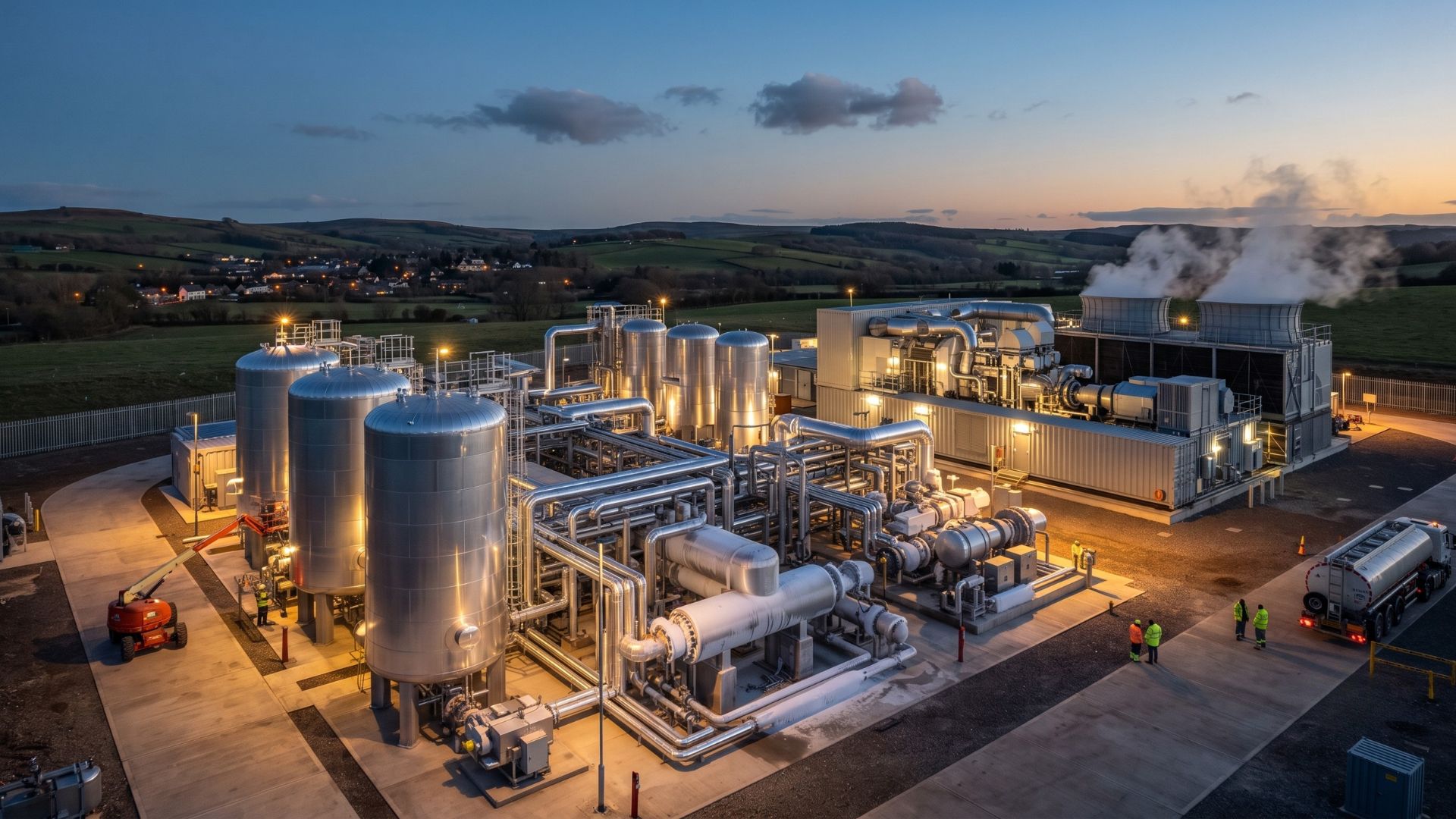
In the case of Caieiras, the process begins with the capture of biogas released by the decomposition of organic waste. This gas is primarily composed of methane, a pollutant 28 times more potent than carbon dioxide in global warming. Through an advanced engineering system, the captured methane is directed to two destinations: it is either burned and converted into CO₂ and water, or purified and used in electricity generation.
-
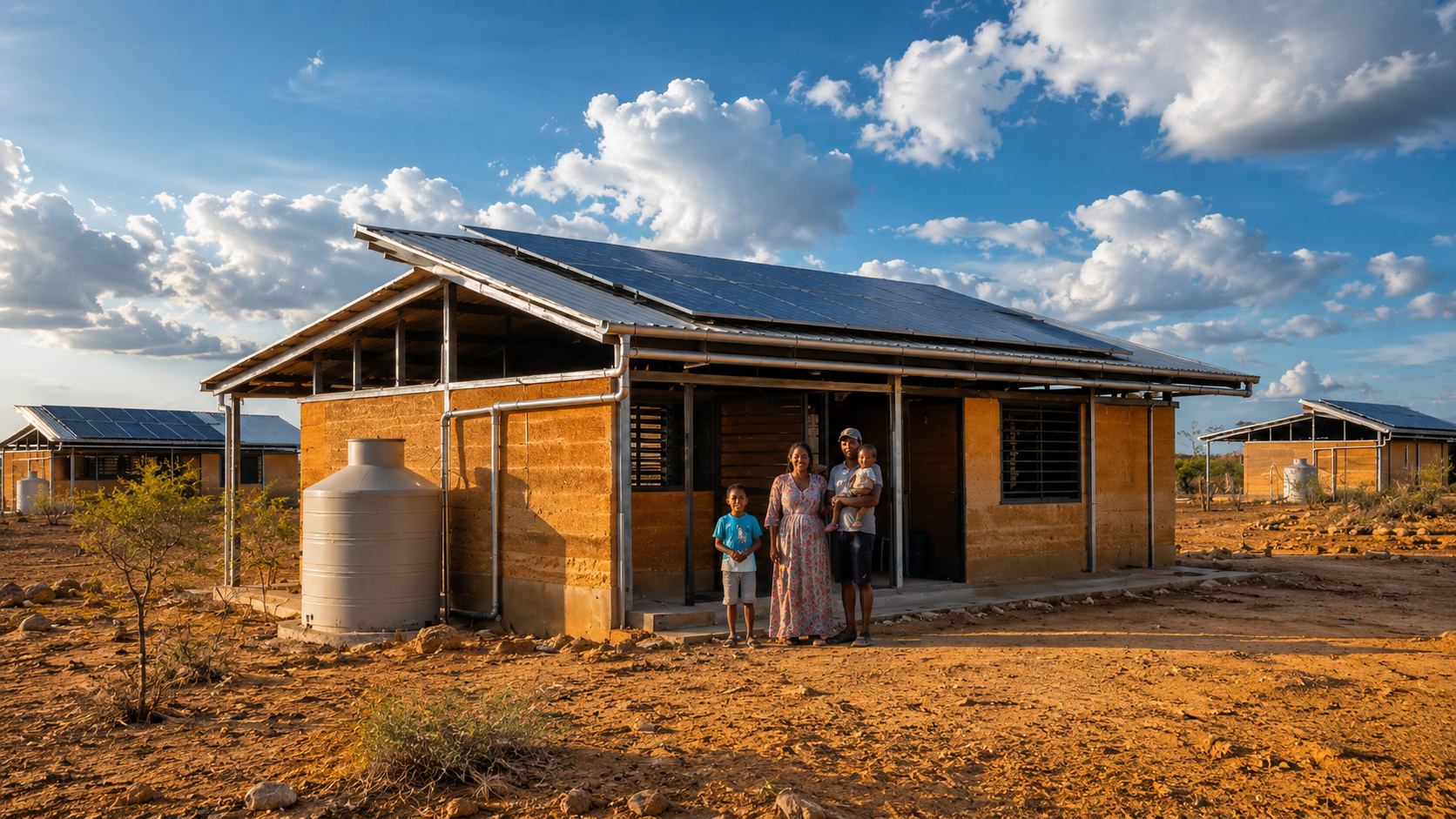
In Colombia’s desert, 30 families receive 80 m² homes with solar panels, waterless toilets, and rainwater collection systems amid water and energy shortages.

-
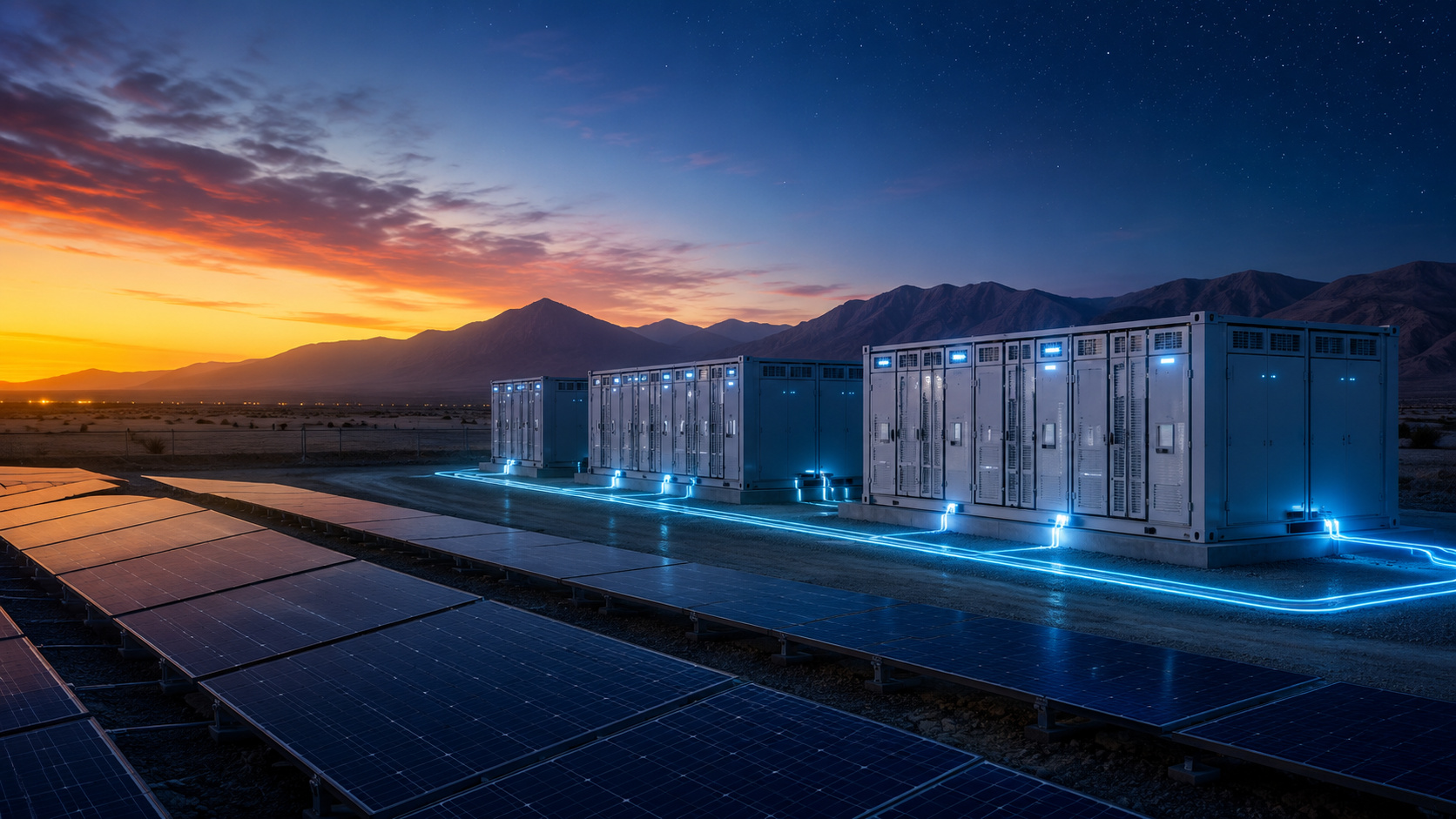
Engie Secures 10-Year Use of 625 MWh in Batteries to Store Excess Solar and Wind Energy in Spain by 2028
-
Giant Batteries Take Center Stage in Chile Auction as Company Offers 960 GWh of Solar Energy for Nighttime Use, Aiming to Stabilize Solar Power Supply
-
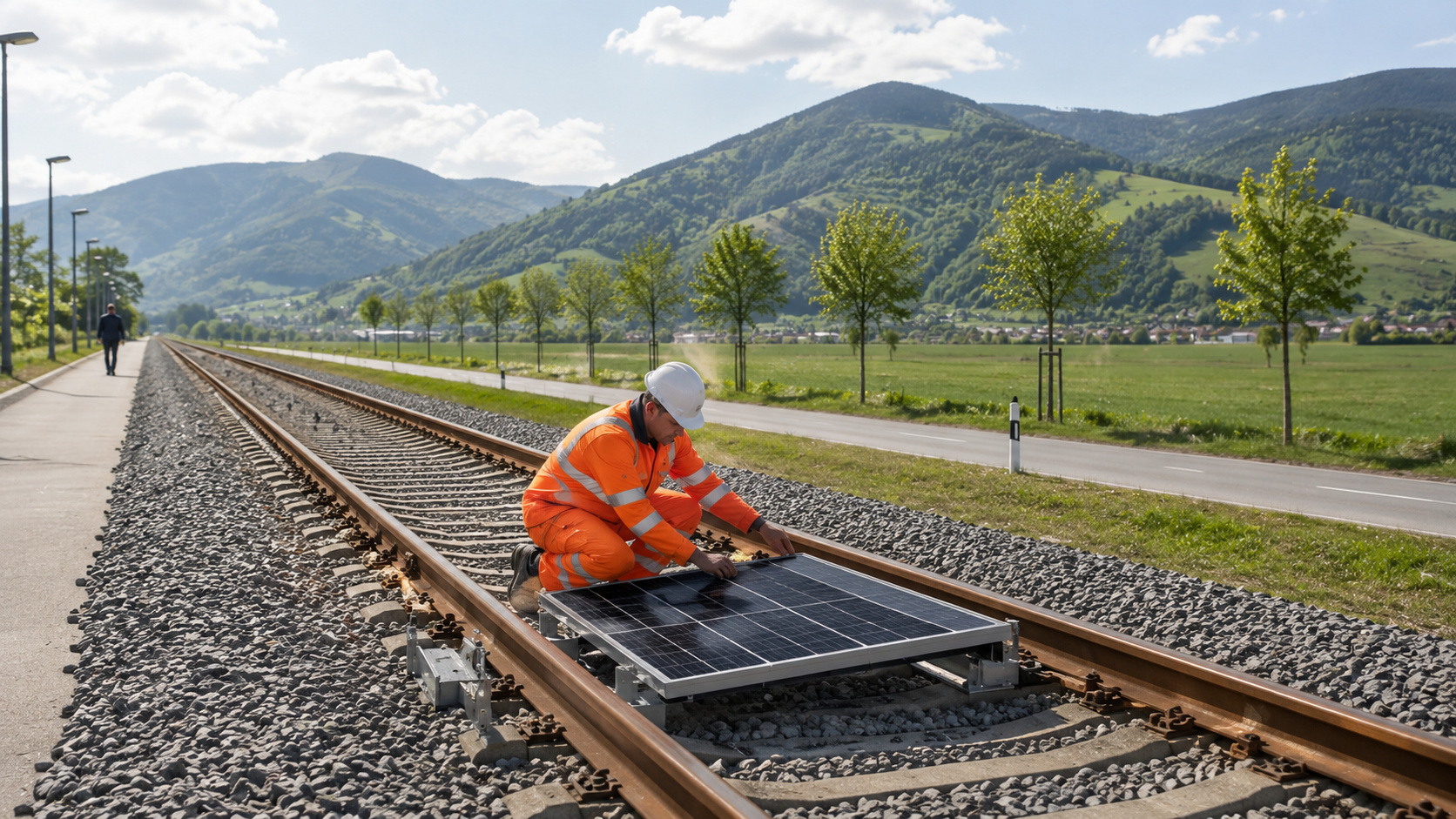
After a Year of Success in Switzerland, Solar Railway Attracts Italy’s Interest for Clean Energy Transformation

Thus, this technology prevents the direct release of gas into the atmosphere and allows the landfill to produce auditable and traceable carbon credits. Since 2006, the Caieiras Landfill has already certified over 9.6 million carbon credits, significantly contributing to the Brazilian climate agenda.
Clean Energy and Environmental Traceability
The generation of energy from biogas represents a milestone in the history of landfills in the country. Solví, the company that manages the Caieiras Landfill, has thus implemented a comprehensive traceability system. This ensures that each carbon credit has proven origin, reflecting the exact volume of gas captured, purified, burned, and converted into energy.
According to Luciana Gutierres, Technical and Sustainability Superintendent of the company, “we know exactly how much gas was transformed and how much we avoided emitting. This traceability is what provides legitimacy and security to the process.”
Additionally, Solví operates 11 biogas-powered thermoelectric plants in five states, generating clean and renewable energy. As a result, the company has already surpassed 28 million carbon credits issued, a result of efficient waste management and commitment to decarbonization.
Contribution to Sustainable Events
During the Summit Agenda SP+Verde, the carbon credits generated in Caieiras were used to offset the event’s emissions. The calculation included the participants’ travel, energy consumption, and even waste generation.
The meeting, promoted by the Government of the State of São Paulo in partnership with the City Hall and the University of São Paulo (USP), gathered about 5,000 people per day. The goal was to discuss integrated solutions for decarbonization and the role of cities in the global climate transition.
Interactive kiosks allowed the public to calculate their own carbon footprint, raising awareness about individual and collective impacts. Solví also conducted a monitored recycling action through the Reciclômetro, a tool that measures the positive impact of the correct waste disposal.
Brazil’s Role in the Climate Transition
In this way, using landfills as sources of clean energy places Brazil in the international spotlight. Since the 2000s, the country has been investing in biogas capture technologies and carbon credit generation, especially after the creation of the Clean Development Mechanism (CDM), established in the Kyoto Protocol.
Over the years, the Caieiras Landfill has established itself as a global reference, demonstrating that it is possible to transform environmental liabilities into sustainable energy solutions. This trajectory reinforces Brazil’s commitment to the Sustainable Development Goals (SDGs), especially regarding clean and affordable energy and action against global climate change.
Today, the energy produced at the landfill helps reduce dependence on fossil sources and strengthen the carbon credit market in the country. This initiative is therefore directly connected to the goals set for COP30, held in Belém, and reinforces Brazil’s leadership in global discussions on sustainability.
Innovation, Circular Economy, and Sustainable Future
The model applied in Caieiras exemplifies the principles of circular economy, where waste is no longer discarded but integrated into productive cycles. By transforming garbage into energy, the landfill helps reduce pressure on natural resources and create new economic opportunities.
The generation of renewable energy from biogas also drives regional development, creating jobs, attracting investments, and stimulating technological innovation. Moreover, the produced energy is stable and continuous, an important advantage compared to seasonal variations of other renewable sources, such as solar and wind.
According to experts, the valorizations of urban waste will be one of the pillars of the new green economy. With well-structured public policies and appropriate incentives, Brazil can expand this model, transforming its landfills into clean energy plants and centers for environmental innovation.
An Environmental Legacy That Inspires
The Caieiras Landfill symbolizes a profound change in the relationship between society, environment, and technology. By uniting energy efficiency, environmental responsibility, and social development, the project proves that it is possible to reconcile economic growth and preservation of the planet.
As Luciana Gutierres states, “every ton of carbon dioxide that we stop emitting represents a concrete step in the climate transition. The future depends on integrated solutions between governments, companies, and society.”
The experience in Caieiras demonstrates that sustainability is a viable and profitable path. The example of the largest landfill in Latin America shows that, with innovation and commitment, what was once waste can become energy for the future and inspiration for the world.