






 Portuguese
  Spanish


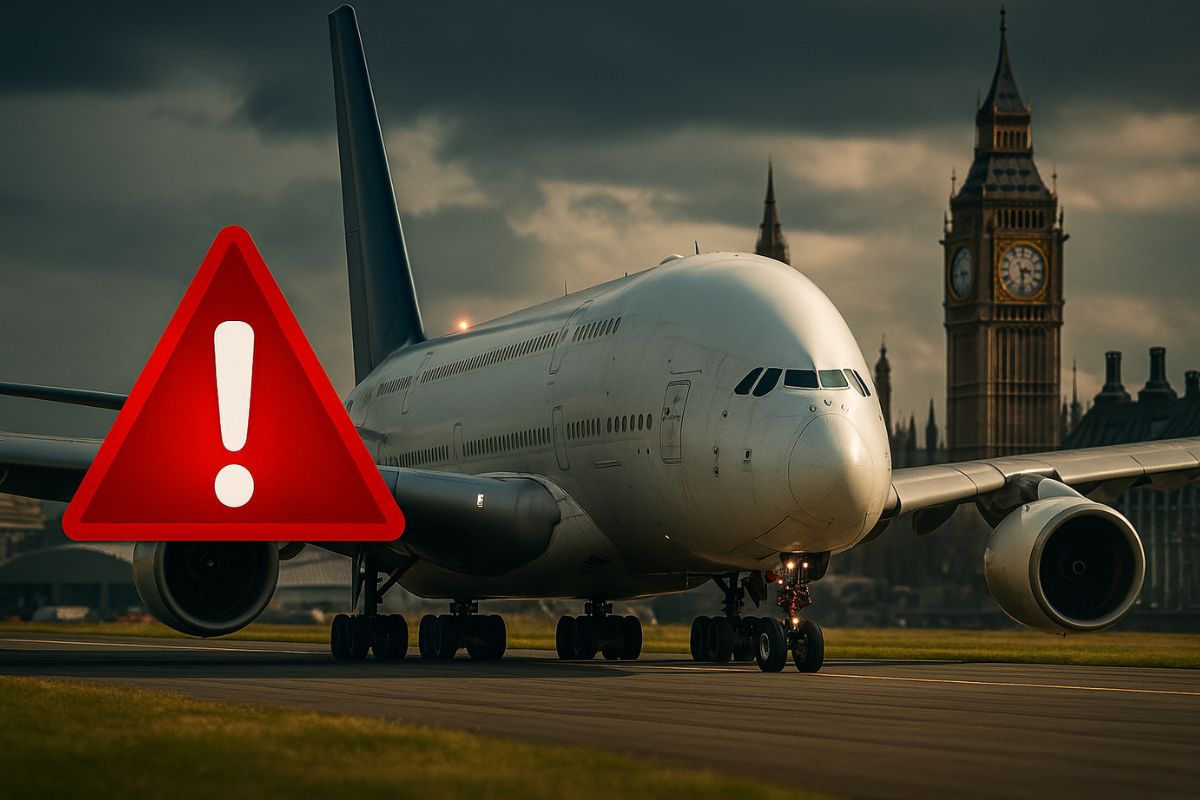


Airbus A380 Faces Delays, Frequent Repairs, and High Maintenance Complexity
The largest passenger aircraft in the world, the Airbus A380, is at the center of growing concerns about operational failures. Two decades after its maiden flight, the model has accumulated dozens of airworthiness directives requiring urgent repairs, part replacements, and thorough inspections — which have directly affected the operations of various airlines.
Even with its unmatched capacity and the triumphant return after the pandemic, the largest passenger aircraft in the world face a growing challenge: maintaining the safety and reliability of an aircraft that requires up to 60,000 hours of maintenance and relies on still-fragile supply chains in the post-Covid era.
A380 Accumulates Technical Issues and Operational Delays
According to the European Union Aviation Safety Agency (EASA), the A380 has received 95 airworthiness directives since 2020 — double the number issued for large Boeing models in the same period. Among the listed problems are leaking emergency slides, damaged landing gear axles, and cracked seals.
-
France Revamps 530 Social Housing Units with Large Balconies and Glass Facades Without Demolishing Existing Buildings

-
10-Year-Old Max Makes History with Paris Fashion Show, Launches Own Brand, Hires Staff, and Sets World Record as Youngest Runway Designer

-
Bolivian Female Construction Workers Form Association to Combat Discrimination and 38% Pay Gap in the Industry
-
Near Amsterdam, residents buy land and discover they must also build streets, manage drainage, handle waste, and grow food on half their plot.




These failures have resulted in significant delays in commercial flights, such as the case of Qantas’ QF1, which suffered two fuel pump failures in Singapore and left passengers stranded for days. An A380 from British Airways spent over 100 days grounded in the Philippines and barely operated after returning to London.
Airlines Continue Operating, but with Difficulties
Despite the challenges, companies like Qantas, Emirates, Lufthansa, Singapore Airlines, and British Airways continue to bet on the largest passenger aircraft in the world. Emirates, the largest global operator of the model, claims it will continue using the A380 until the end of the next decade.
Airbus, the manufacturer of the aircraft, states that the global fleet maintains a reliability rate of 99% over the past 12 months and continues to provide comprehensive technical support. Still, it acknowledges that the scale and complexity of the A380 make it more demanding than other models.
Maintenance Is Expensive, Scarce, and Affects All Commercial Aviation
A complete overhaul of the A380 can take 60,000 hours of work, according to Lufthansa Technik. With a limited number of hangars capable of accommodating the superjumbo, several airlines have been relocating aircraft to different countries: Dresden, Manila, and technical centers in China.
Maintenance costs have skyrocketed, primarily due to the number of engines — four per aircraft — and the difficulty in replacing damaged parts after long periods of storage during the pandemic. A recent directive from EASA ordered the replacement of emergency slides after structural failures detected from exposure to heat.
Superjumbo Still Loved by Passengers, but Divides Opinions in the Industry
Despite the costs and operational risks, the A380 remains popular among passengers for its interior space, comfort, and grandeur. However, its future remains uncertain. Airbus halted production in 2019, and new large aircraft alternatives such as the Boeing 777X are still facing delays.
Meanwhile, the largest passenger aircraft in the world continue to operate — caught between the nostalgia of engineers and the economic pressure from airlines.
Do you believe the A380 still has a place in the future of aviation? Or do you think it has become a burden for airlines? Share your opinion in the comments — we want to know what you think about the superjumbo.









O A-380 é único, não havendo substitutos equivalentes, presentes ou futuros
As empresas que o operam desenvolveram as condições que o tornam rentável.
Cabe à Air Buss modernizá-lo, inclusive e principalmente trocando os motores por mais modernos e sustentáveis.