





 Portuguese
  English
  Spanish
  4 min of reading
  0 comments


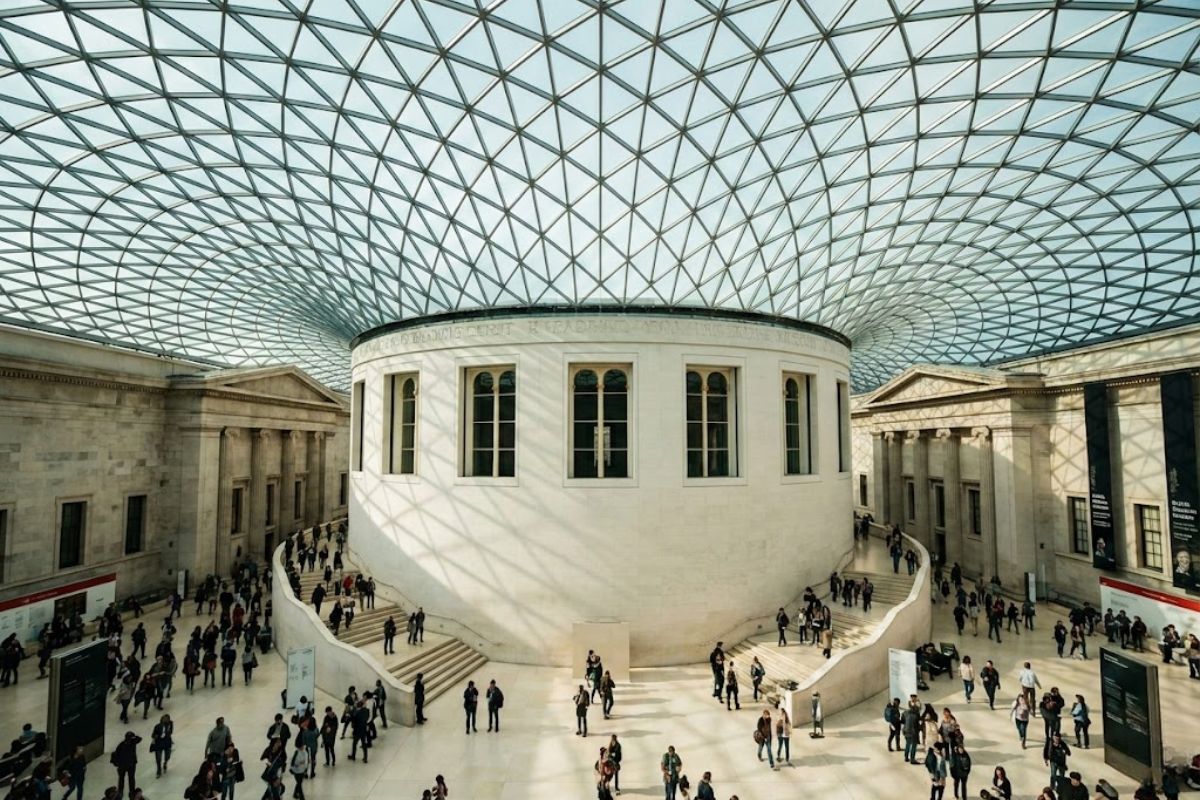
Inside the Central Court of the British Museum, the Largest Covered Square Surprises by Joining a Luminous Glass and Steel Dome to a Neoclassical Building, Creating a Protected Space to Move Among Historical Rooms; Inaugurated in 2000, the Structure Covers 8 Thousand Sqm with 3.3 Thousand Panels, All Different, Today
The largest covered square inside the British Museum in London does not impose itself as a “new building,” but as a layer of light that changes the way one experiences the museum. Instead of separating, it connects: a previously exposed courtyard becomes a large circular atrium, with staircases and a constant flow of visitors.
Designed by Norman Foster, the Great Court transforms the center of the museum into a starting and returning point. The feeling is that the roof floats above the historical set, while the protected space allows for comfortable circulation, even when the London weather is colder.
A Courtyard That Became a Square Without Losing the Museum

Referring to the Great Court as the largest covered square is not just a catchy label: it is a description of what happens there. The central courtyard ceases to be merely a passage and starts functioning as a real “square,” where people orient themselves, meet, and decide where to go before entering the galleries.
-
The commander of the Brazilian Army publicly admitted that the country now perceives real threats in South America, something that, according to him, did not exist in the past, and advocates for the increasing use of drones and technology to secure the borders.

-
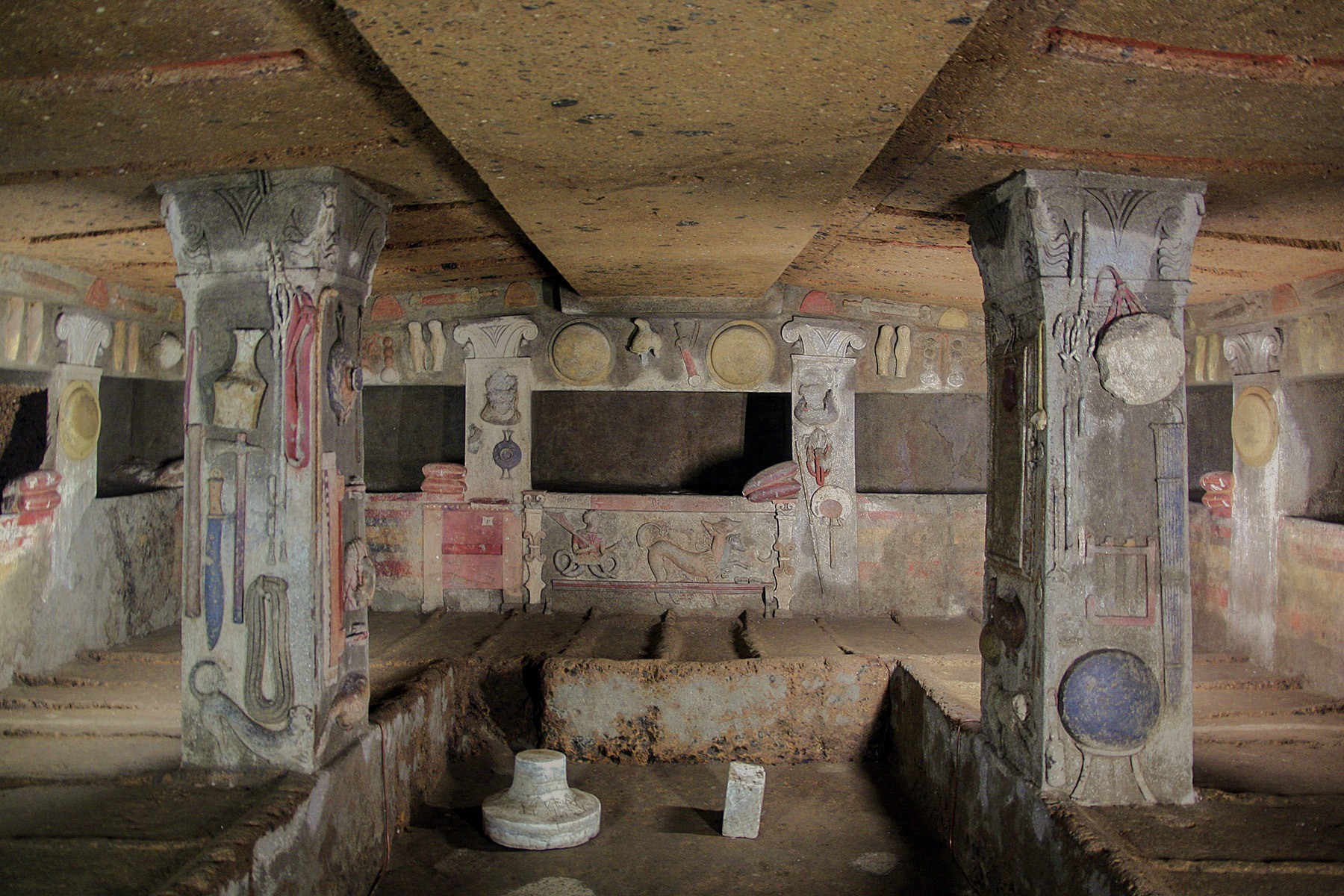
While thieves looted almost all the neighboring tombs over 2,600 years, an Etruscan chamber in Italy remained sealed and untouched all this time, and archaeologists have just opened it to find more than a hundred objects in the exact place where they were left.

-
A window-sized device, without electricity or filters, managed to extract potable water from the dry air of Death Valley using only sunlight, in an MIT study published in Nature Water that gives new impetus to a technology crowned with the Nobel Prize in Chemistry in 2025.
-
Giant Boeing 777 model receives official Boeing paint, cut-out windows, and functional lights, but first flight with final look reveals landing gear problem, lost tire, and battery adjustments until achieving perfect landing.




This hub role changes the logic of the visit. From the square, the public disperses to areas that hold collections associated with civilizations such as Ancient Egypt, Mesopotamia, and Greece, without depending on a single corridor or confusing access. Architecture becomes organization, and the experience gains rhythm: entrance, choice, discovery, return to the center.
The Logic Behind the Luminous Dome
What supports the visual strength of the largest covered square is the combination of a steel mesh and a skin of glass. The structure has a complex yet legible design: a geometry that guides the gaze upward, but without “overlooking” the presence of the neoclassical building below.
The most revealing fact lies in the details: there are exactly 3.3 thousand glass panels, and each panel is unique. This is not a decorative whim; it results from a precise fit into the metal mesh, which must accommodate curvatures and transitions around the courtyard and the central hall.
The result is a roof that appears light, although it relies on rigorous engineering solutions to distribute forces and maintain alignments.
Reading Room in the Center: The Intellectual Heart in Full Circulation
In the middle of the courtyard remains the Reading Room, which continues to be a symbolic and spatial reference. Under the roof, it no longer seems isolated and begins to interact with the public flow: a historical center within a contemporary space, visible and integrated into the people’s path.
This integration also helps to understand the “why” of the project without needing to announce anything. By connecting wings and guiding movements, the square reduces the labyrinthine feel common in large museums.
And at the same time, it keeps close to the visitor the idea that the British Museum is not just a collection of rooms, but a place where history is organized, interpreted, and connected with the present.
Comfort and Permanence: When Roof Becomes Cultural Infrastructure
A covered square changes public behavior because it changes the length of stay. In the largest covered square, the visitor is not just crossing a space: they can pause, observe, orient themselves, and resume the journey more calmly, regardless of the weather.
In addition to comfort, there is a practical effect: when the center of the museum becomes a bright and protected environment, the movement between exhibitions tends to be smoother.
It is not just aesthetics; it is functionality. And it is here that the glass dome gains cultural weight: it creates a “core” that supports the entire visit, from the first step to the last return to the central courtyard.
The Dialogue Between the Neoclassical and the Contemporary Without Shouting
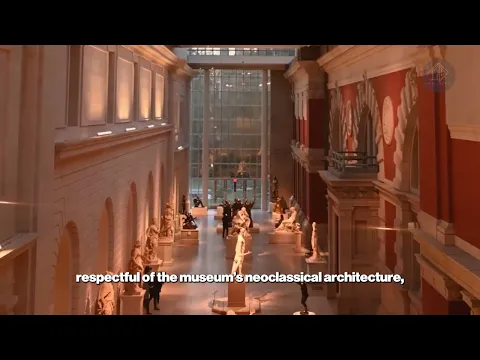

The striking image of the largest covered square arises from a controlled contrast. The geometric roof converses with the museum’s more classical lines and, instead of competing with them, creates a dual reading: the historic building remains the protagonist, while the glass enhances the perception of space and light.
This type of intervention often divides opinions precisely because it interacts with urban symbols. On one side, there are those who see it as a respectful gesture, preserving the set and “merely” covering the courtyard; on the other, there are those who are bothered by the presence of contemporary language in a place associated with tradition.
The question that remains is simple and difficult: when does a city benefit from mixing eras in the same space?
The largest covered square of the British Museum shows how a museum can be both an archive of the past and a present experience: a square that organizes walking, welcomes the public, and redefines the center of the building with light and precision.
If you were there, what would catch your attention more: the idea of each panel being different or the feeling of walking through a historical courtyard protected by a luminous dome? Do you like when a classical building receives such a modern intervention, or do you prefer that historical places remain untouched?








-

1 person reacted to this.