






 Portuguese
  Spanish


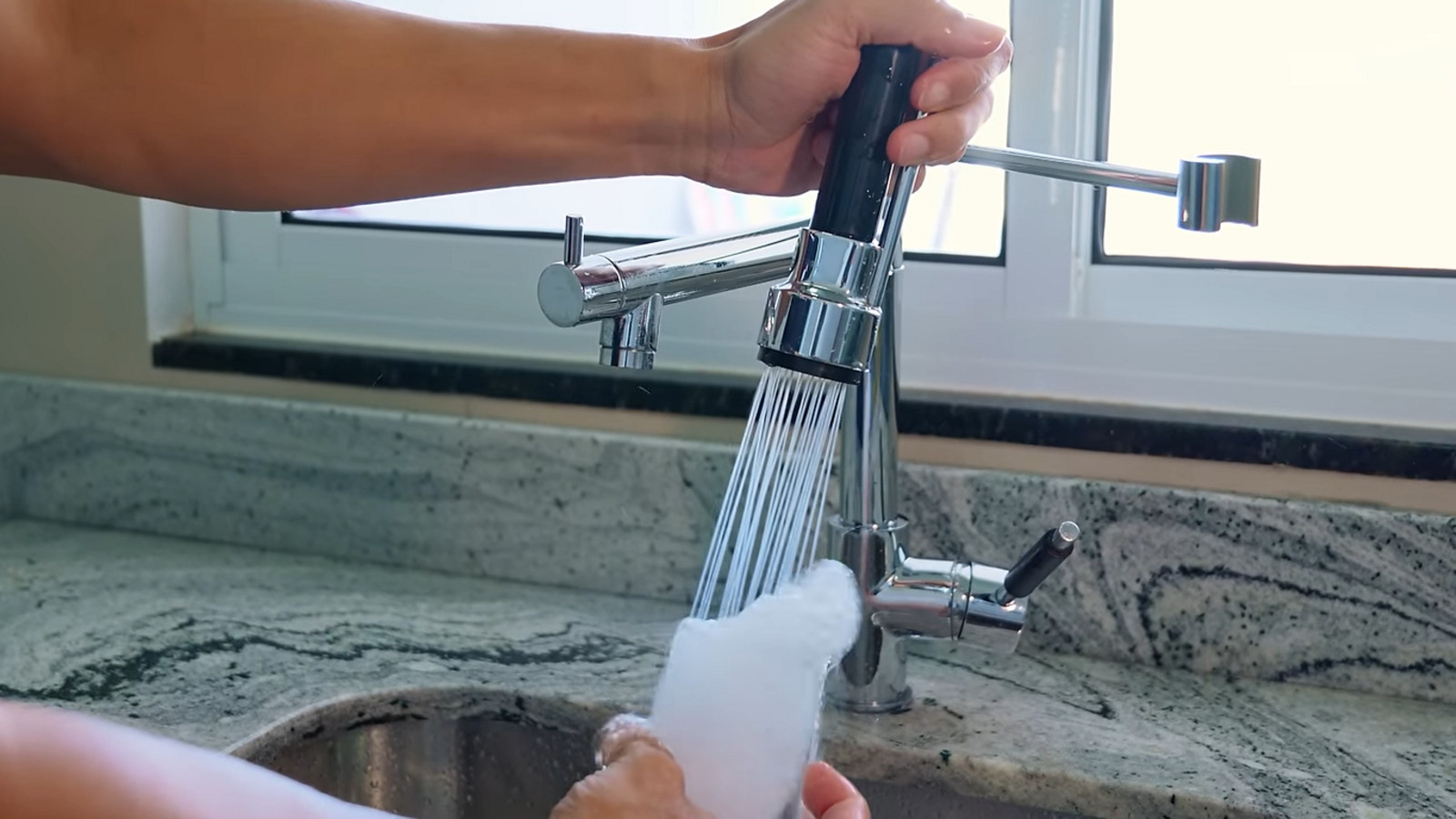
System with check valve, pressure regulating valve, correct pipes and fittings can improve house supply, protect the water tank, and avoid expenses with electric pressurizer
Low water pressure can compromise the shower, reduce faucet flow, and impair the functioning of the residential plumbing installation. With a check valve, pressure regulating valve, compatible pipes, fittings, and correct assembly, it is possible to improve the house supply economically, safely, and durably.


Low water pressure can have various causes at home
The loss of force in the shower and faucets can be linked to the height of the water tank, the diameter of the pipes, the use of poorly planned fittings, or variations in the public supply network.
When these factors appear in the installation, water reaches consumption points with lower flow. This affects simple routine activities, such as taking a shower, washing dishes, using outdoor faucets, and maintaining regular supply within the residence.
-
Argentina to Use 2026 World Cup to Pressure Over 13,000 Child Support Debtors, Warns They May Be Banned from Stadiums

-
Man Who Lost Vision Due to Lack of Roads Invests Fortune in Building 59 km Route, Ending 1,300 Years of Isolation in Brazilian Village and Boosting Tourism and Jobs

-
São Paulo Invests Millions in Massive Reservoirs to End Decades of Water Shortages, Providing Relief to Residents

-
Luxury Mansion in Rio with Views of Christ the Redeemer Listed for $25 Million




A well-assembled system helps to better organize the passage of water between the street network and the water tank. Thus, the installation can gain efficiency without necessarily relying on an electric pressurizer.
Check valve prevents water return to the network
The check valve plays an important role in residential supply because it prevents water from flowing back through the plumbing.
In practice, it helps to keep water stored in the tank when there is an interruption in street supply.
This precaution protects the house’s reserve and prevents the water tank from losing part of the accumulated volume. For it to function correctly, the valve needs to be installed in the right direction of the water flow.
The assembly also requires pipes and fittings compatible with the network’s size. Sanding the ends of the pipes before applying glue and respecting the drying time are important steps to reduce the risk of leaks.

Regulator valve protects the installation against excessive pressure
The pressure regulator valve controls the force of the water coming from the utility company. This component is used to prevent excessively high pressure from damaging faucets, registers, showers, floats, and other household parts.
When the street pressure is high, the piping can suffer wear on connections, leaks, and problems in internal components.
The regulation helps balance the system and increases the safety of the home’s plumbing installation.
System can be an economical alternative to the pressurizer
The assembly of the system should start with planning the path of the pipes, connections, and valves. Square cuts, correct measurements, and firm fittings improve sealing and reduce rework.
This method can be more economical because it uses mechanical components and does not consume electrical energy.
Unlike the pressurizer, it does not depend on a motor, outlet, or electrical maintenance to improve supply performance.
This article was prepared based on information from the provided material and the channel Marcelo Casa Eletro, with data, numbers, and statements preserved as per the consulted material.


Be the first to react!