






 Portuguese
  Spanish
  3 min of reading
  0 comments


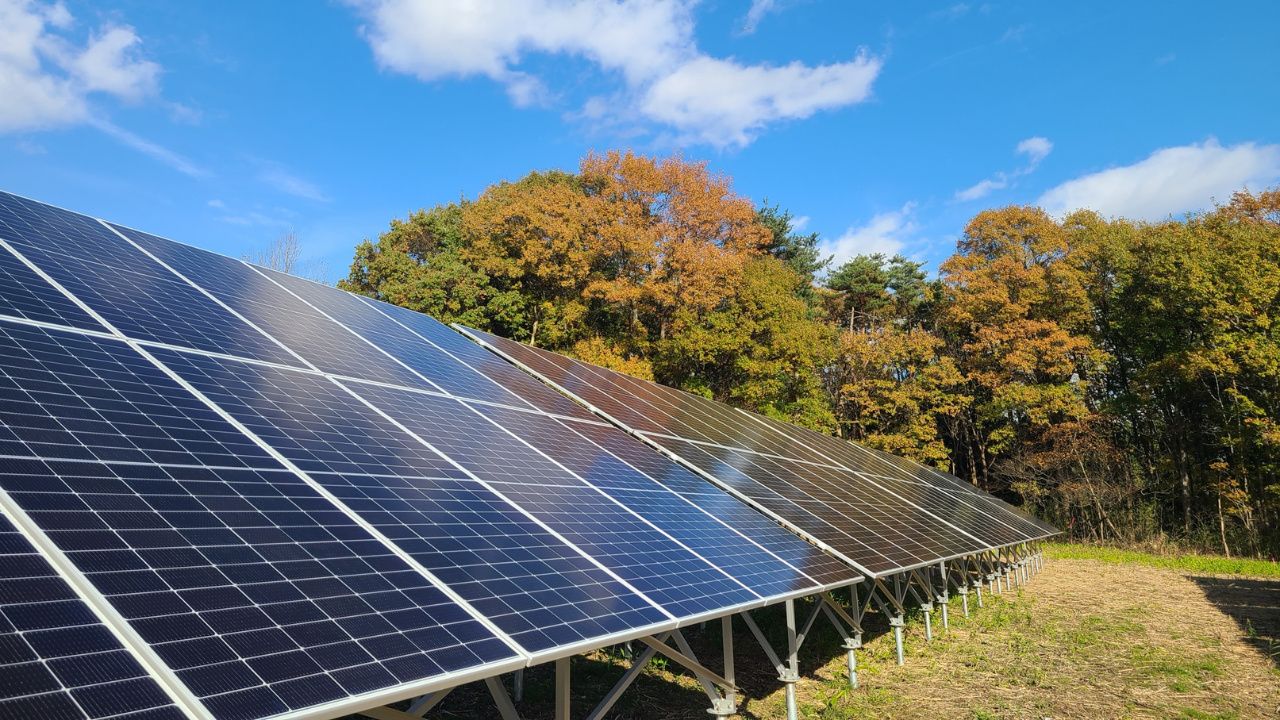
New 650 W Module from DAH Solar Bets on Full-Screen Photovoltaic Panels and TOPCon Technology to Increase Energy Generation, Reduce Maintenance, and Serve Ground and Rooftop Plants from 2026.
The technological evolution of photovoltaic panels has consistently altered the performance of solar systems in recent years. New cell designs, changes in module architecture, and more efficient materials have been expanding energy generation and reducing operational losses.
In this scenario, DAH Solar announced the launch of a new 650 W photovoltaic module, which will reach the market in distinct versions focusing on large-scale applications and rooftops.
The solution was developed to meet solar plant projects on the ground and commercial and residential systems, combining higher power, increased efficiency, and lower maintenance needs over time. The arrival of photovoltaic panels in the Brazilian market is expected in early 2026.
-
Solar energy can increase property value by up to 10% and become a selling point.

-
Solar and wind energy surpass natural gas for the first time in the world and accelerate energy revolution

-
Africa has about 500,000 cell towers and most still burn diesel to operate, while companies rush to cover antennas with solar energy and avoid signal blackouts.
-
Farmers swapped diesel for solar panels in Pakistan, powered irrigation pumps almost cost-free, expanded rice fields, and now groundwater has become a red alert in the countryside.




Full-Screen and Conventional Versions Expand Application Possibilities
The new 650 W module will be available in two versions: Full-Screen and Conventional. Both share advances in the design of photovoltaic cells but differ in surface treatment and behavior in environments with higher dirt accumulation.


According to the manufacturer, the reduced spacing between the cells increases the active area for energy conversion. As a result, there’s better utilization of sunlight and an increase in the energy density of the module.
Moreover, this configuration contributes to additional generation gains and a lower need for corrective interventions during operation.
In projects where available space is limited, this factor becomes strategic, as it allows for extracting more energy per installed square meter.
Full-Screen Technology Reduces Dust and Boosts Production
In the Full-Screen version, the main differentiator is the design that minimizes the accumulation of dust and debris on the surface of the photovoltaic panels. According to the company’s own analyses, this characteristic can result in a gain of up to 15% in energy production, especially in regions with high concentrations of dust or atmospheric dirt.
This performance is relevant for projects installed in rural areas, semi-arid regions, or locations with infrequent cleaning.
The reduction of particle accumulation also helps to decrease operational costs, as the need for maintenance tends to be lower throughout the system’s lifespan.
High Efficiency with TOPCon Technology
The 650 W module features a conversion efficiency of 24.06%, a high rate for commercial photovoltaic panels. This performance is made possible by the adoption of next-generation TOPCon technology, which reduces internal losses and increases energy capture.
Furthermore, the combination of larger wafers, optimized cell architecture, and adjusted dimensions increases usage flexibility. According to the company, the module was designed to adapt to both large ground plants and rooftop systems, maintaining high performance even in less favorable conditions.
This characteristic meets the growing demand for solutions that reconcile high power and installation versatility.
Extended Warranties Reinforce Focus on the Long-Term
Another point highlighted by DAH Solar is the warranty policy associated with the new photovoltaic panels. The modules come with a 15-year warranty for materials and workmanship, as well as a 30-year warranty for energy generation.
According to the company, this commitment reflects the product’s reliability and the expectation of consistent performance over decades.
“The 650 W modules represent the most advanced technology in Full-Screen and TOPCon solutions, delivering higher energy production, lower maintenance, and excellent cost-effectiveness. We want the Brazilian market to have access to products that enhance the competitiveness of photovoltaic systems and offer the best performance over time,” stated Thais Bittencourt, the company’s marketing manager.
Brazilian Market to Receive New Versions Soon
The first units of the 650 W module are expected to arrive in Brazil in early 2026. Additionally, the manufacturer is already planning to launch an even more powerful version, at 670 W, later this year.
With this, the company expands its portfolio of high-efficiency photovoltaic panels, following the global trend of increasingly powerful, durable modules adapted to different solar market realities.








-

-

5 people reacted to this.