






 Portuguese
  Spanish


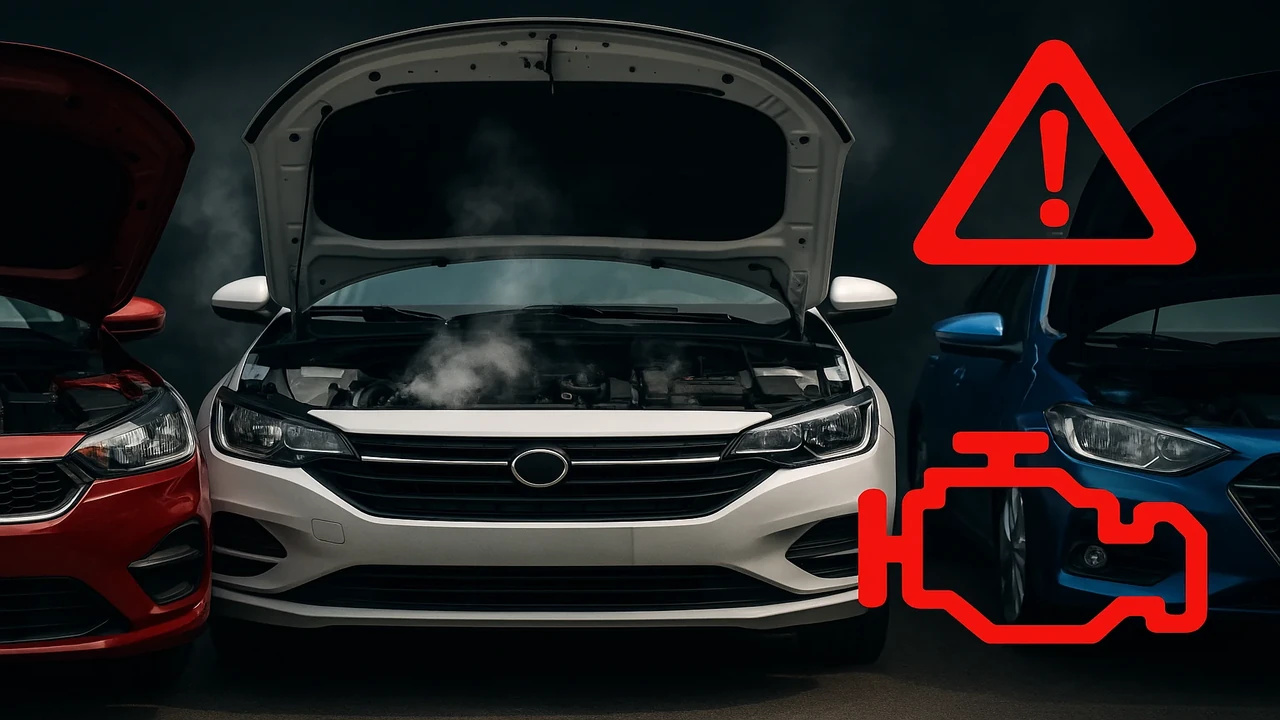


Ford, Volkswagen, Chevrolet, and Jeep Lead the Cases of Blown Engines in Brazil in 2025, According to Independent Workshops. Find Out Which Models Suffer the Most and Why Repairs Cost Up to R$ 40 Thousand.
When a car has a blown engine, the dream of mobility turns into a nightmare. More than just a simple defect, it is one of the most expensive repairs in the automotive industry — often exceeding R$ 15 thousand in popular vehicles and reaching R$ 40 thousand in larger SUVs and sedans. According to independent workshops across Brazil, some manufacturers consistently appear in these occurrences, either due to design flaws or neglect of preventive maintenance.
In 2025, a survey among trusted mechanics, repair associations, and consumer records points out which brands have the highest incidence of blown engines and serious problems in the country.
Why Do Engines Blow So Frequently in Brazil?


Before presenting the ranking, it is important to understand the main factors that explain the high rate of serious failures in Brazilian engines:
-
Rolls-Royce Turns Heads with 30-Inch Floating Wheels, 6.6-Liter V12 Engine, and 563 Horsepower

-
2019 Kia Sportage EX: A Spacious and Cost-Effective SUV with 2.0 Flex Engine and Panoramic Roof
-
Fiat Strada Becomes Top Seller in June, Surpassing Onix, Polo, Hilux, and T-Cross with 107 HP Engine and 732 km Range.

-
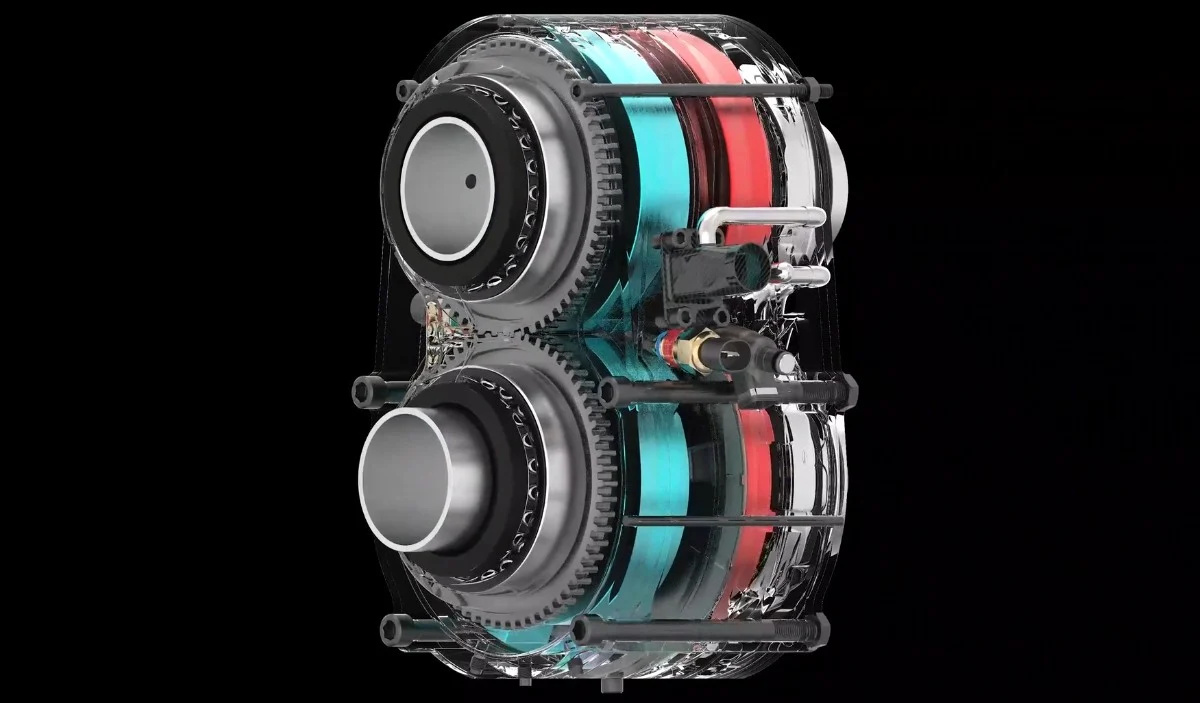
Suitcase-sized hydrogen engine spins at 25,000 rpm, nearly doubling the efficiency of conventional cars and replacing exhaust smoke with water vapor


- Heat and Intense Traffic: severe use in traffic jams and high temperatures accelerates wear;
- Neglected Maintenance: delays in oil changes, use of alternative fluids, and counterfeit parts are frequent causes;
- Sensitive Designs: modern engines, which are more compact and turbocharged, require extra care;
- Variable Quality Fuel: contaminated gasoline or ethanol with impurities compromise internal components.
This combination creates the ideal scenario for failures that, if not identified early, result in a blown engine.
The Brands with the Most Reports of Blown Engines in 2025
1. Ford
Although it ceased car production in Brazil in 2021, many Ford models continue to be on the road and crowding workshops. The Sigma 1.6 and Duratec 2.0 engines, present in Fiesta, Focus, and EcoSport, are among the top contenders for blowing.
Most Cited Problems:
- Overheating due to cooling system failures;
- Lubrication issues caused by oil pump failures;
- Use of Powershift transmission associated with engine failures due to overload.
Impact: repairs can cost R$ 12 thousand to R$ 20 thousand, leading many owners to abandon repairs and sell the car at a loss.
2. Volkswagen
Models with 1.0 TSI engines and older versions of the EA111 1.6 frequently have records of overheating and piston failures.
Most Reported Problems by Workshops:
- Cracks in cylinder heads;
- Excessive oil consumption leading to catastrophic failures;
- Overheating under severe use, especially in cities with heavy traffic.
Impact: complete engine replacement can reach R$ 18 thousand in models like T-Cross and Polo, which causes significant strain among consumers.
3. Chevrolet
Workshops highlight serious failures in 1.4 turbo (Cruze and Tracker) and newer 1.0 turbo (Onix and Onix Plus) engines.
Recurring Defects:
- Lubrication problems;
- Head gasket failure;
- Premature piston wear in turbocharged versions.
Impact: repairs for Cruze can exceed R$ 20 thousand, while for Onix, despite being a popular model, the repair for a blown engine ranges from R$ 12 thousand to R$ 15 thousand.
4. Jeep (Stellantis)
Jeep SUVs, such as Renegade and Compass, accumulate complaints related to the 1.8 E.torQ and 2.0 diesel engines.
Most Common Failures:
- Overheating on long trips;
- Water pump defects;
- Cracks in cylinder heads in diesel engines used under severe conditions.
Impact: diesel engines can cost R$ 30 thousand to R$ 40 thousand to replace, making the problem even more painful for owners.
Other Brands Reported by Workshops
In addition to these four, independent workshops also report frequent cases in:
- Renault: 1.0 SCe and 1.6 SCe engines with premature wear;
- Hyundai/Kia: failures in 1.6 and 2.0 engines, with reports of excessive oil consumption;
- Peugeot/Citroën (Stellantis): turbo THP engines still appear with overheating problems.
What Experts Say
Consulted mechanics point out that many of these cases could be avoided with proper preventive maintenance, especially regarding oil changes. Many engines blow because owners extend intervals or use oils of the incorrect specification.
Still, there are cases of design flaws that make some engines more vulnerable, such as defective water pumps, fragile cylinder heads, or undersized cooling systems.
The Weight on the Brazilian Consumer’s Wallet
According to industry surveys, the average cost for repairing or replacing a blown engine in Brazil ranges from R$ 12 thousand to R$ 25 thousand in popular cars, potentially exceeding R$ 40 thousand in medium and large SUVs.
This scenario often leads owners to sell the car at a loss, reinforcing the negative reputation of certain brands.
How to Protect Yourself
To reduce the risk of encountering a blown engine, experts recommend:
- Changing oil and filters on time and using only products of the specifications indicated by the manufacturer;
- Constantly checking oil and coolant levels;
- Performing preventive maintenance in trusted workshops;
- Researching the model’s history before purchase, especially in the used market.
The list of brands most associated with blown engines in Brazil in 2025 is led by Ford, Volkswagen, Chevrolet, and Jeep, with an emphasis on turbocharged engines and versions known for design flaws. While part of the issues is related to owner negligence, the recurrence of cases in certain lines shows that consumers need to stay vigilant.
Knowing which models present a higher risk is essential to avoid losses that can exceed the market value of the car. After all, when it comes to a blown engine, the bill always arrives — and it’s almost never cheap.







trinca sim o Renegade o eco são danados pra empenar e trinca cabeçote
Algumas coisas fomos enganados sempre qualquer marca xxxxxxx após o prazo de garantia todas revisões em concessionária da marca motor já condições está funcionando precárias.
Vendem veículos sem instrumentos amperímetro digital medidores combustível por litro sensor de pressão sensor de temperatura sensor de pressão de óleo.
Colocam TELAS de enfeite para xxxxx fazer bonito e na revenda com as informações sobre motores estourando o carro é sucata não tem mais valor de mercado.
Reportagem cheia de erros. O motor turbo diesel 2.0 que equipa Renegade/Compass/Toro não tem relatos de trinca de cabeçote, o problema desse motor é o excesso de carbonização principalmente para quem anda com esses modelos em ciclos urbanos.
Esses mesmos modelos flex tem problema no trocador de calor do câmbio AT, algo facilmente resolvido com a substituição por um radiador.