Portuguese
  Spanish


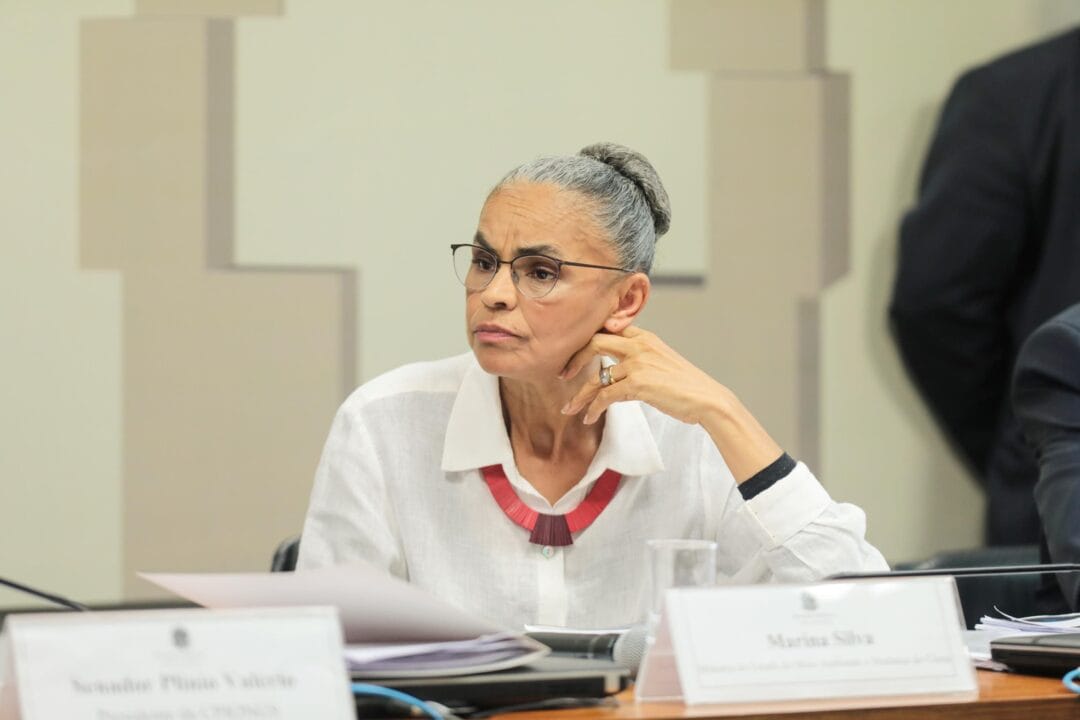

Environment Minister Says COP28 in Belém Depends on Ongoing Summit in Dubai. Renewable Energies and Reduction of Greenhouse Gases Are Fundamental.
Marina Silva, former Environment Minister, emphasized the importance of developed countries taking global leadership in the transition to renewable energies during her speech at the COP28 in Dubai.
The environmental authority stressed that the success of COP30, in Belém do Pará, is directly related to the results achieved at the ongoing conference. Marina stated that a joint effort from both producing and consuming countries is essential to reduce the use of fossil fuels, and that developed countries should lead this process.
Marina Silva: Environmental Authority at COP28
Marina Silva’s speech is part of the negotiation efforts of the Brazilian government, which argues that wealthy countries should be the first to cut the production and consumption of oil.
-
It’s official: Petrobras takes 75% of block 3 in São Tomé and Príncipe and debuts as an offshore operator outside South America.

-
With a record production of nearly 3 million barrels per day, Petrobras resumes importing diesel in July, highlighting the bottleneck in Brazilian refining.
-
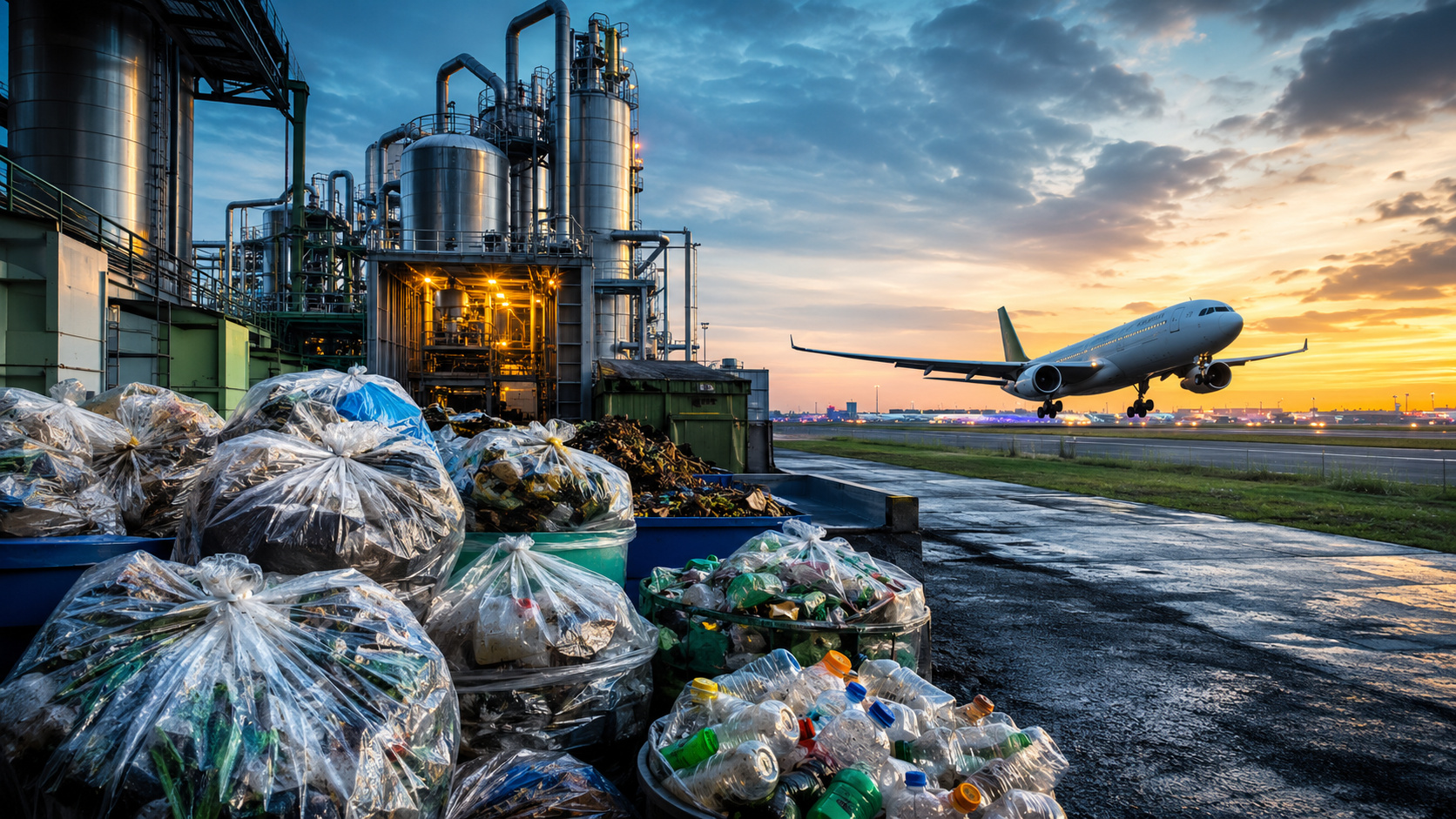
Qantas and Airbus Invest in Company Aiming to Convert Unsorted Household Trash into Jet Fuel

-
Brazil’s ANP Opens 86 New Oil Blocks in the Equatorial Margin, Expanding the Amazon River Mouth Frontier



According to the logic of Brazilian negotiators and others who share the same position, rich nations have historically emitted the most greenhouse gases. In addition, the wealthy hold resources and technologies that enable a faster transition to other clean energy sources.
Developing nations, on the other hand, would have longer timelines to continue using fossil fuels – which would allow time, for example, for Brazil to continue extracting oil from the pre-salt layer and, eventually, from the mouth of the Amazon River.
Marina Silva: Environmental Leader at Meeting Discussed at COP 28
One of the main issues discussed at COP 28 is related to the end of fossil fuel use in the global energy system, with civil society, the UN, and some countries advocating for a deadline to stop the exploration and consumption of oil.
The major producers, however, are lobbying for this issue not even to be mentioned in the final resolution of the meeting.
Marina Silva in Countries’ Efforts for Energy Transition at COP28
In addition to advocating for the wealthy to stop using oil first, the Brazilian minister also called for the creation of a specific body to address this transition.
‘I believe it is essential to create, within the UNFCCC framework, a discussion and negotiation body to address this issue with the required urgency. The responses must take into account the national differences and circumstances and the alternatives for social and economic development, especially for the most vulnerable’, she stated.
Marina Silva: Agreement at COP28 and COP30 in Brazil
The minister continued, reminding that Brazil will host the COP in two years.
‘In 2025, Brazil will host COP30 in the city of Belém. The success of this meeting will depend on our ability here at COP28 to approve a General Balance aligned with 1.5ºC in all its dimensions: in actions before 2030, in recommendations for future NDCs, in commitments for new financing and means of implementation, and in a Global Adaptation Goal consistent with real risks, especially for the most vulnerable populations’, she asserted.
Brazil has been leading discussions at COP28 on what it calls ‘Mission 1.5’, in reference to efforts to ensure that all policies adopted at the climate summit refer to efforts to limit global warming to an average of 1.5 degrees Celsius relative to the pre-industrial period.
‘
Source: CNN Brasil