






 Portuguese
  Spanish


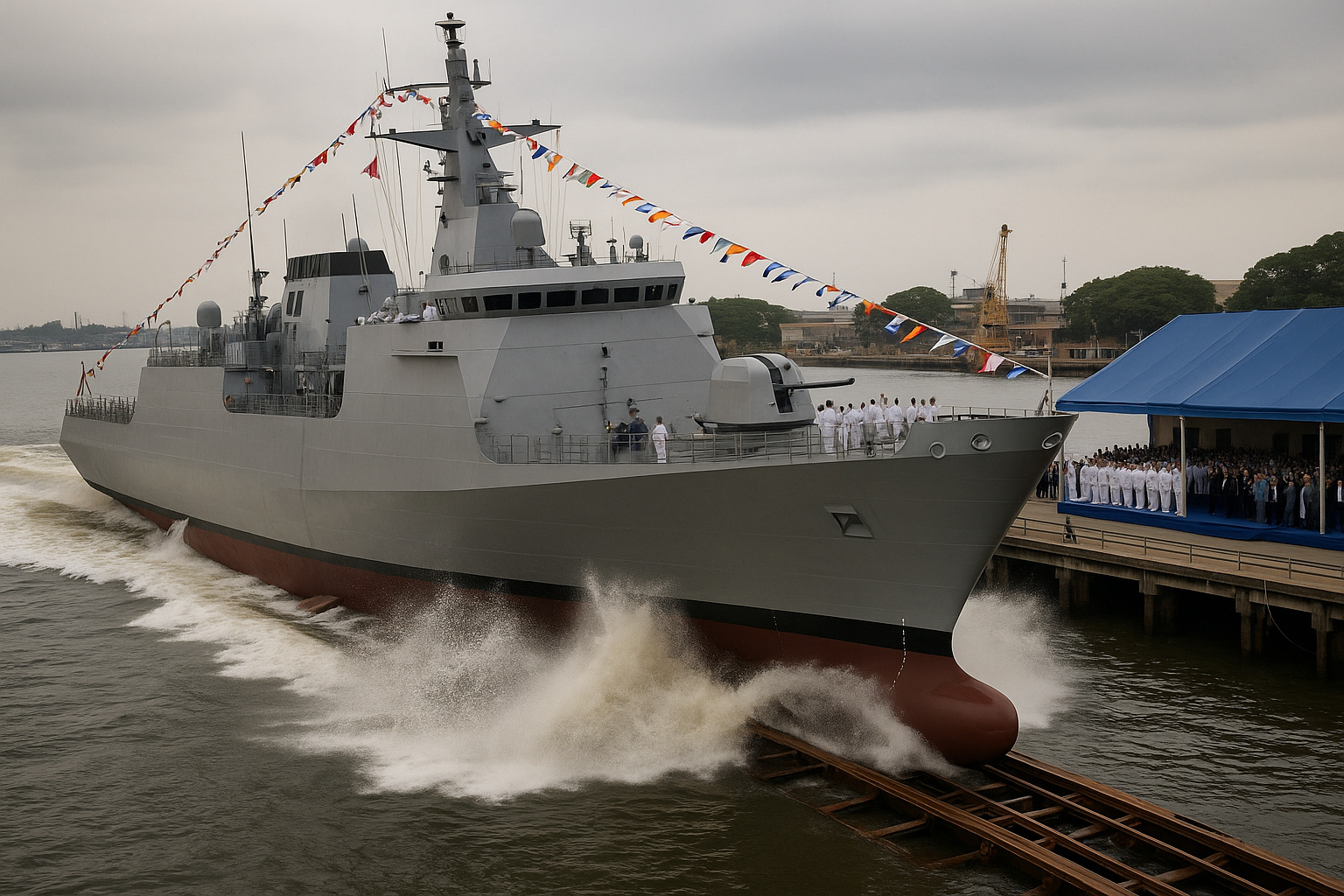
New Warship Integrates Strategic Program and Highlights the Importance of Protecting National Resources
The Brazilian Navy presented, on August 6, 2025, the frigate “Jerônimo de Albuquerque” (F201), the second vessel of the Tamandaré Class Frigates Program (PFCT). During the launch, the commander of the Navy, Fleet Admiral Marcos Sampaio Olsen, emphasized the need to strengthen the defense of natural wealth and national sovereignty in the face of an increasingly unstable international scenario. Furthermore, he stressed that the country must act in a coordinated and strategic manner.
Growing Instability Reinforces Strategic Role
The admiral warned that, with the reordering of spheres of influence and the increase of rivalry among major powers, national naval power becomes even more essential. Therefore, according to him, investing in the Navy is an urgent and necessary measure.
“For Brazil, holding unique geoeconomic attributes, this scenario demands attention and calls for deliberate, planned, and coherent action with the stature of the State”, stated Olsen.
-
North Korean Fiasco: Launch of the Largest Warship Ends in Sinking

-
While giant ships still burn heavy fuel and the maritime sector races against climate targets, Maersk and Vale are starting to bet on ethanol as a new route to reduce emissions at sea.

-
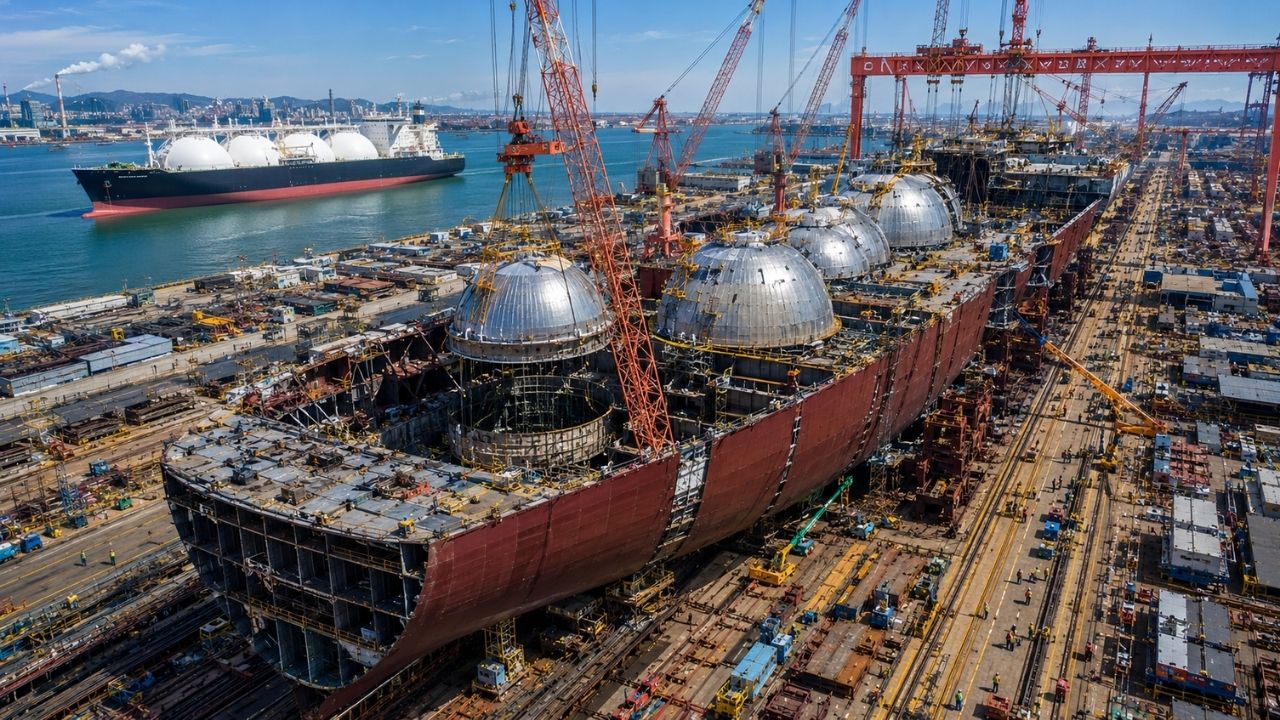
China begins construction of the world’s largest LNG ship, a 344-meter giant capable of supplying 4.7 million homes for a month, carrying 271,000 m³ of gas, and placing QatarEnergy in the largest naval order ever recorded in world history.
-
China is designing a container ship with a thorium nuclear reactor that will operate for 40 years without refueling, and the 25,000-container giant from Jiangnan Shipyard will cross oceans without emitting carbon in an industry that burns 300 million tons of fuel per year.



In this way, he emphasized that the marine and river resources in Brazil’s strategic surroundings are fundamental for the economy and prosperity of the country, requiring constant protection.
Strategic Resources in International Crosshairs
Brazil has a rich underground of oil, critical minerals, and other strategic resources. For this reason, according to the Navy, these riches attract the interest of various countries and international companies.
In April 2023, the corporation expelled a German ship that was conducting unauthorized research in Brazilian jurisdictional waters, in the region of Rio Grande Elevation. In this location, experts point to a high potential for minerals essential for industry and technology.
For Olsen, “the magnitude of these riches does not go unnoticed”, as the sea is a space where legitimate or illegitimate interests converge, making it a potential stage for disputes. Thus, vigilance and prompt response become indispensable.
Next-Generation Frigates
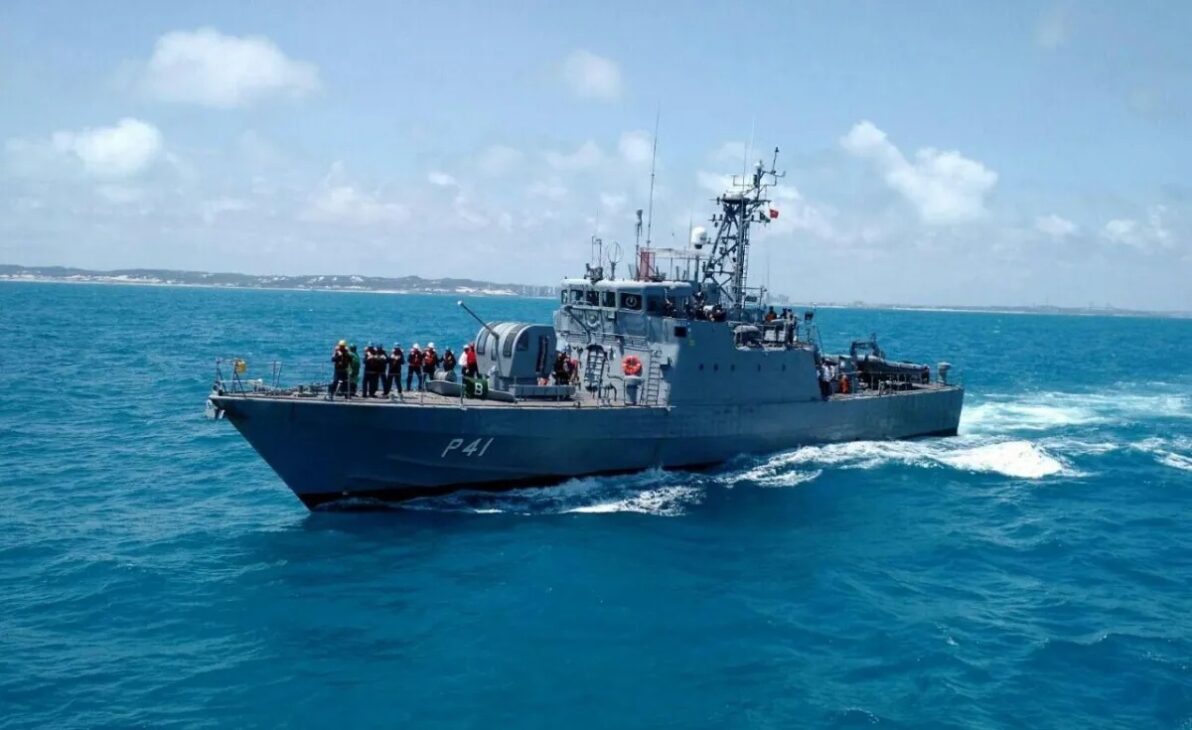
The Tamandaré Class Frigates Program is one of the largest investments of the Navy in recent decades. With this, the country seeks to enhance the protection of strategic areas and ensure the security of commercial routes.
The “Jerônimo de Albuquerque” is the second unit of the program, which plans the construction of four warships. Moreover, the project is considered essential to modernize the fleet and expand Brazil’s presence in the South Atlantic.
Strategic Points Highlighted by the Commander
- Geopolitical instability necessitates strengthening maritime defenses.
- Brazilian natural wealth is under international scrutiny.
- Espionage cases have already occurred in national waters.
- The PFCT modernizes the fleet and expands naval capacity.
- The frigate “Jerônimo de Albuquerque” enhances the protection of strategic areas.
Protection as a Pillar of Prosperity
The commander stressed that the defense of natural wealth is essential for maintaining economic development. Thus, protecting the maritime territory means ensuring resources for industry, energy, and commerce.
Therefore, strengthening naval power is seen as a direct investment in the security and future of Brazil.
What do you think should be prioritized for Brazil: rapidly expanding naval power to ensure the protection of resources or adopting a more gradual and sustainable strategy? Leave your opinion.








Be the first to react!