Portuguese
  Spanish


Mato Grosso do Sul Advances in Innovation and the Use of Clean Energy to Strengthen Trade Ties with Asia, Expanding Economic Opportunities and Promoting Sustainable Development.
Mato Grosso do Sul, although traditionally known for its strong agricultural vocation, has taken significant steps to position itself on the global stage with a new proposal. Combining innovation and clean energy to enhance its trade connections, especially with Asia.
Therefore, this transformation is part of a larger historical context, which involves not only the pursuit of sustainable development but also economic diversification and entry into strategic markets, especially in light of changes in global trade.
Historically, Mato Grosso do Sul has maintained its economy strongly tied to agribusiness. Its fertile lands and vast agricultural areas have ensured, for many years, that the state stands out nationally in the production of food and raw materials.
-
Brazil to Hold First Auction for Batteries to Store Solar and Wind Energy from the Northeast

-
Brazilian scientists are simultaneously advancing two research projects on clean hydrogen and driving solutions that could transform the energy matrix, enhance industrial competitiveness, and accelerate large-scale emission reduction targets.

-
Advancement in renewable energy: A R$ 150 million project launched by Petrobras and Finep aims to create state-of-the-art electrolyzers for green hydrogen, strengthening national research and preparing Brazil to compete in a billion-dollar energy market.
-
Illiterate or semi-literate grandmothers were trained to repair solar systems, open rural workshops, and light up homes that still depended on kerosene.



However, in recent years, this economic profile has expanded considerably. In fact, the development of innovative technologies in the field, coupled with the industrialization of agricultural production and a commitment to sustainability, has been opening new pathways for local economic growth.
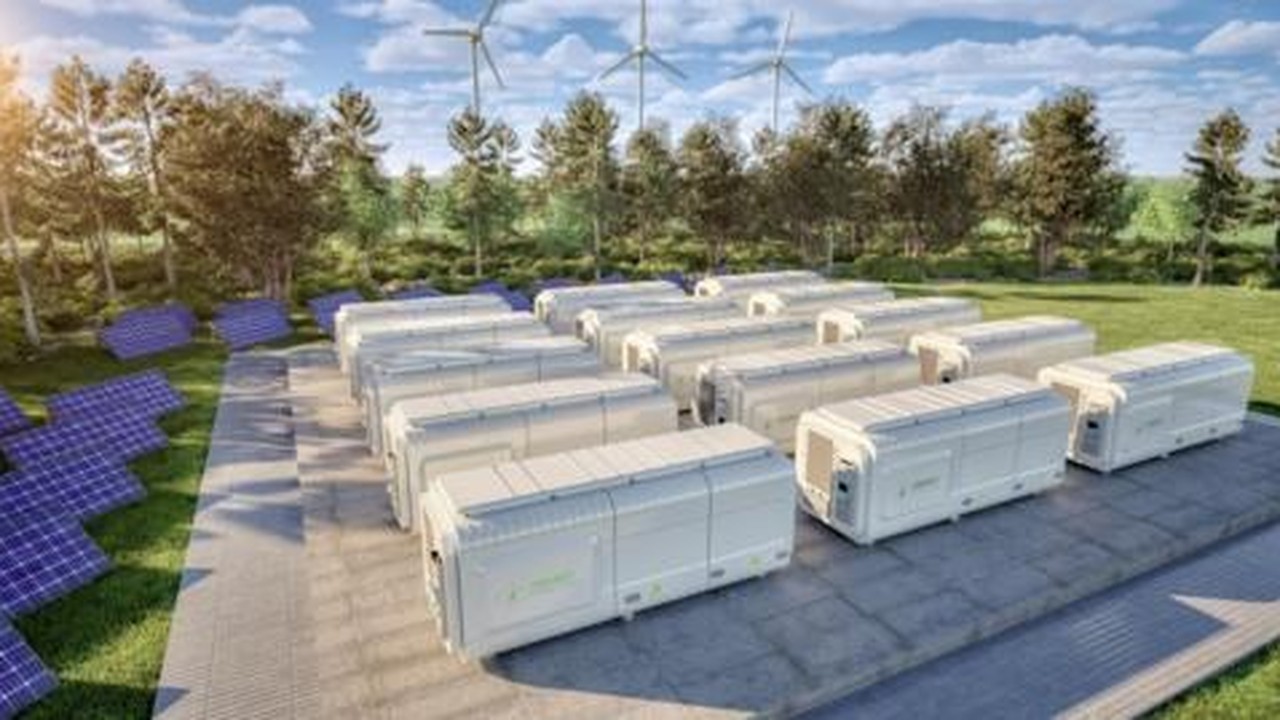
Moreover, a crucial aspect of this new phase is the investment in clean energy. The concern for the environment, along with the need to make production more efficient and less dependent on fossil sources, drives projects that utilize renewable sources, such as solar energy, wind energy, and biogas.
The Transformation of the South Mato Grosso Economy
Thus, Mato Grosso do Sul, with its abundance of natural resources and favorable climate, has great potential to become a reference in the generation of clean energy in Brazil.
This movement gains even more relevance in light of the international scenario. Due to changes in global trade relations, such as the imposition of tariff barriers by the United States on Brazilian products, there is an observed incentive to seek new markets, with special attention to Asia.
Countries like India, China, Japan, and Singapore emerge as strategic destinations for Mato Grosso do Sul’s exports. Furthermore, these countries also lead in technological innovation and investments in renewable energy, creating a favorable environment for partnerships.
Indeed, the increasing global demand for sustainable products and renewable energies creates a new dynamic in international trade. Consequently, Mato Grosso do Sul, by betting on innovation and sustainability, positions itself at an opportune moment to take advantage of this trend.
This strategy reinforces the state’s commitment not only to economic growth but also to environmental responsibility, a topic increasingly valued by consumers and investors worldwide.
Innovation Beyond the Field
In India, for example, Mato Grosso do Sul showcases its potential in sectors beyond traditional agribusiness. During forums and meetings with local businesspeople and authorities, the state highlights its commitment to sustainable industrialization, energy transition, and the development of green technologies.
Thus, this approach helps build an image of the state not only as a supplier of commodities but as an innovative hub, concerned with the planet’s future.
Similarly, the generation of clean energy represents another fundamental vector for this new model. Solar energy, for instance, is growing significantly in the state, taking advantage of high solar incidence throughout the year.
For this reason, many rural properties have already adopted photovoltaic systems, reducing costs and increasing energy autonomy. On the other hand, wind energy, although less explored, is also emerging as an alternative, especially in specific regions of the state.
Additionally, Mato Grosso do Sul is advancing in the production of biogas and biomethane from agroindustrial and livestock waste. This technology brings a dual benefit: generates clean energy and simultaneously reduces greenhouse gas emissions, contributing to combating climate change.
Thus, these projects demonstrate how innovation and sustainability go hand in hand in the state’s strategy.
Equally important is the role of startups and technology companies emerging in the state, focused on developing innovative solutions for the agroindustrial and energy sectors.
These initiatives foster the local innovation ecosystem, bringing together research, industry, and rural producers, creating a virtuous cycle of sustainable growth. Finally, the private sector and the state government are actively involved in supporting these enterprises and ensuring a favorable environment for new technologies.
International Partnerships and Technological Exchange
The historical context of the south Mato Grosso economy reveals that the state has always been able to adapt to transformations. For decades, the expansion of the agricultural frontier and the development of livestock have driven local wealth.
At the turn of the 21st century, the pursuit of technological innovation in the field became a priority to maintain competitiveness. Currently, this trajectory gains a new dimension with the explicit commitment to clean energy and sustainability.
Looking to Asia, Mato Grosso do Sul identifies partners that not only purchase its products but also bring knowledge and investments to boost local innovation.
Indian, Japanese, and Singaporean universities and research centers increasingly participate in joint projects with state institutions, expanding technological and capacity exchange.
This academic and technological exchange strengthens the foundations of innovation. Precision agriculture, sustainable technologies, efficient natural resource management, and the development of green production chains are central themes in these partnerships.
Thus, the exchange of knowledge amplifies Mato Grosso do Sul’s potential to consolidate itself as a model of sustainable development and competitive on a global scale.
In addition to universities, partnerships with multinational companies from these countries foster the development of new projects and investments that accelerate the modernization of the local economy.
Indeed, attracting foreign capital acts as a lever for the expansion of infrastructure, applied research, and the adoption of more efficient environmental practices.
Strategies to Face Global Challenges of Innovation and Clean Energy
Economic diversification and investment in clean energy also help reduce the state’s vulnerability to external fluctuations, such as changes in U.S. trade policies, which historically represented a major market for beef and cellulose produced in Mato Grosso do Sul.
By expanding trade relations with Asia, the state increases its opportunities and reduces risks.
Another relevant project is the Bioceanic Route, a new logistics integration route that will connect Mato Grosso do Sul to the Pacific Ocean, facilitating the flow of products to Asian markets.
This infrastructure is expected to reduce costs and speed up transportation, increasing the competitiveness of exports. Thus, the Bioceanic Route exemplifies how innovation and strategic planning go hand in hand to open new commercial pathways.
Alongside logistics, strengthening public policies to encourage innovation and sustainability has been a priority in Mato Grosso do Sul.
Investments in training, research, and support for small and medium producers stimulate the development of technologies adapted to local conditions, contributing to more inclusive and resilient growth.
Therefore, the state’s future depends on its ability to innovate, use clean energy, and integrate strategically into the global market.