Portuguese
  Spanish


SolaX Microinverters Offer Efficiency and Flexibility with Simplified Integration for Solar Energy in Homes and Businesses.
In the energy landscape of 2023, the search for effective photovoltaic solutions is intense, and microinverters stand out as a fundamental revolution. Microinverters not only offer exceptional efficiency but also promise unprecedented flexibility in the use of solar energy. Unlike traditional central inverters, which handle the energy production of the entire system as a single block, microinverters allow each panel to operate independently. This feature is essential for maximizing energy production, especially in installations subject to partial shading or different orientations of solar modules. In 2023, reports from the Solar Energy Industries Association emphasized that the use of microinverters grew by more than 30% compared to 2022, consolidating their popularity in global markets.
In addition to increasing efficiency, microinverters significantly simplify the integration with energy storage systems, providing a unified and adaptable solution for homes and businesses. The ability to integrate with hybrid inverters and high-power photovoltaic modules offers new opportunities for users looking to expand their solar installations without technical difficulties. This simplified integration is particularly valuable in 2023, when the demand for renewable energy continues to grow rapidly. A study conducted in 2023 by the U.S. National Renewable Energy Laboratory highlights that systems using microinverters have enhanced cost-effectiveness and higher long-term investment returns. With the arrival of new, more powerful models, manufacturers like Enphase and SolaX Power are leading this transformation with innovative and reliable solutions.
Increased Efficiency and Flexibility: The Direct Impact of Microinverters
The technological advancements in microinverters are one of the most transformative factors in the solar sector since 2020. With each module operating independently, monitoring and maintenance become simpler, allowing for quick decisions if a module shows performance issues. This not only optimizes energy production but also significantly reduces maintenance and operation costs. A report from the International Renewable Energy Agency (IRENA), released in early 2023, reiterates that solar energy has the potential to become the leading source of global electricity by 2030, driven by such advancements.
-
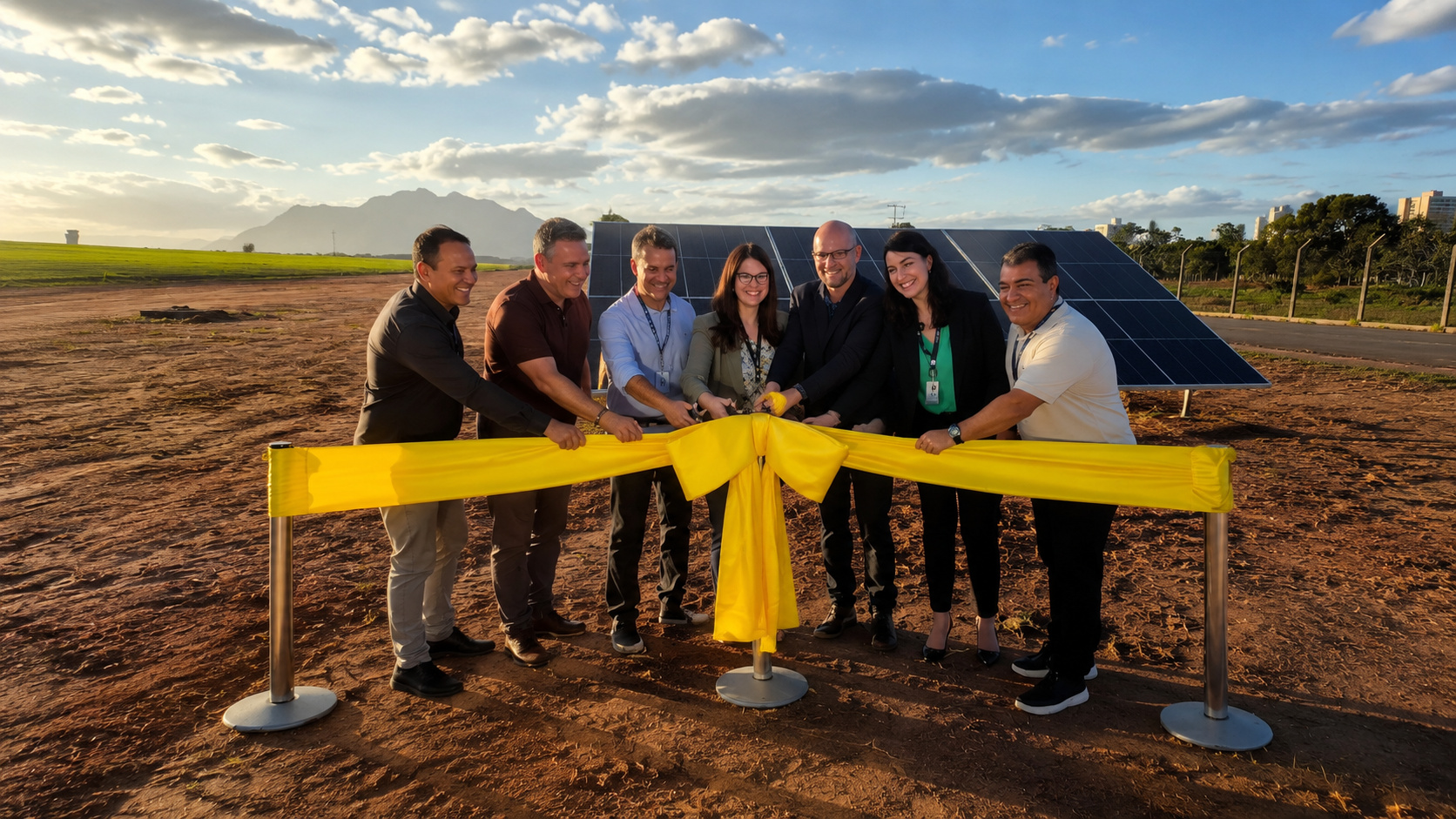
Brazil’s Vitória Airport to Launch Solar Plant Covering Area of 10 Soccer Fields, Boosting Clean Energy and Cutting Costs

-
Switzerland Converts Train Tracks into Solar Power Plants with Removable Panels to Generate Energy Without Using Additional Land
-
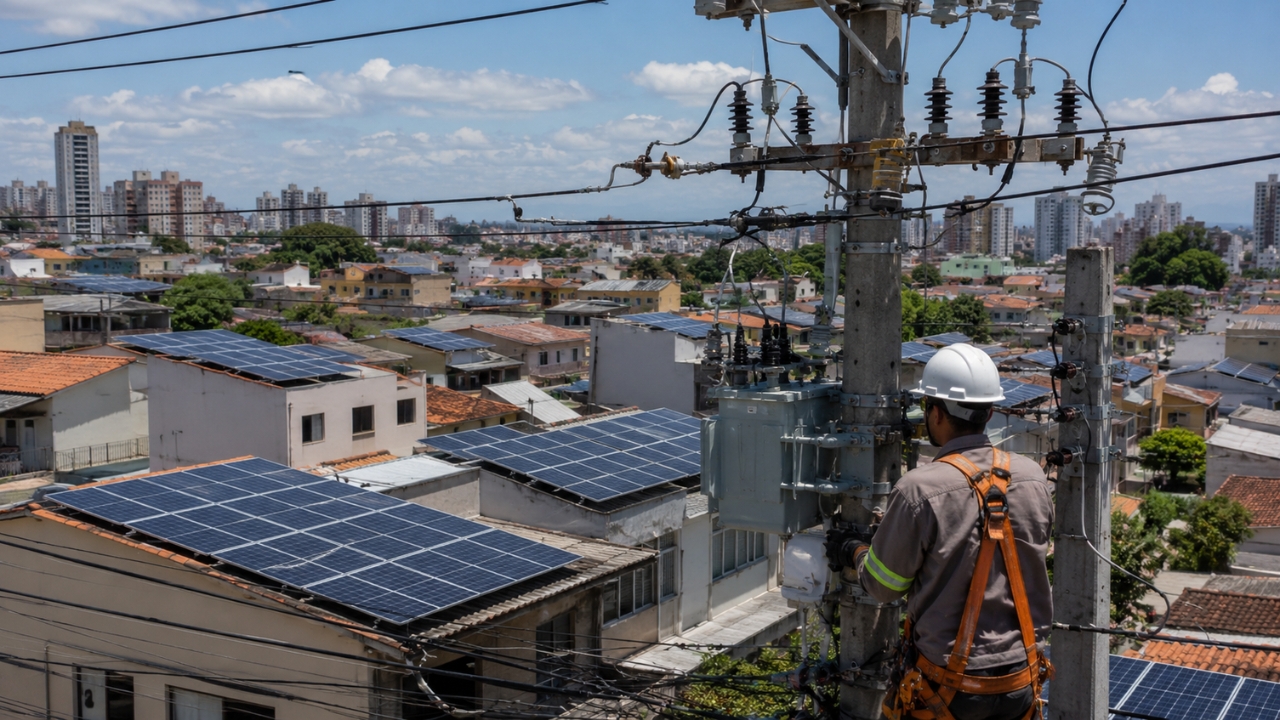
Surge in Solar-Powered Homes in Brazil Leads to Grid Strain and Connection Restrictions in Three States

-
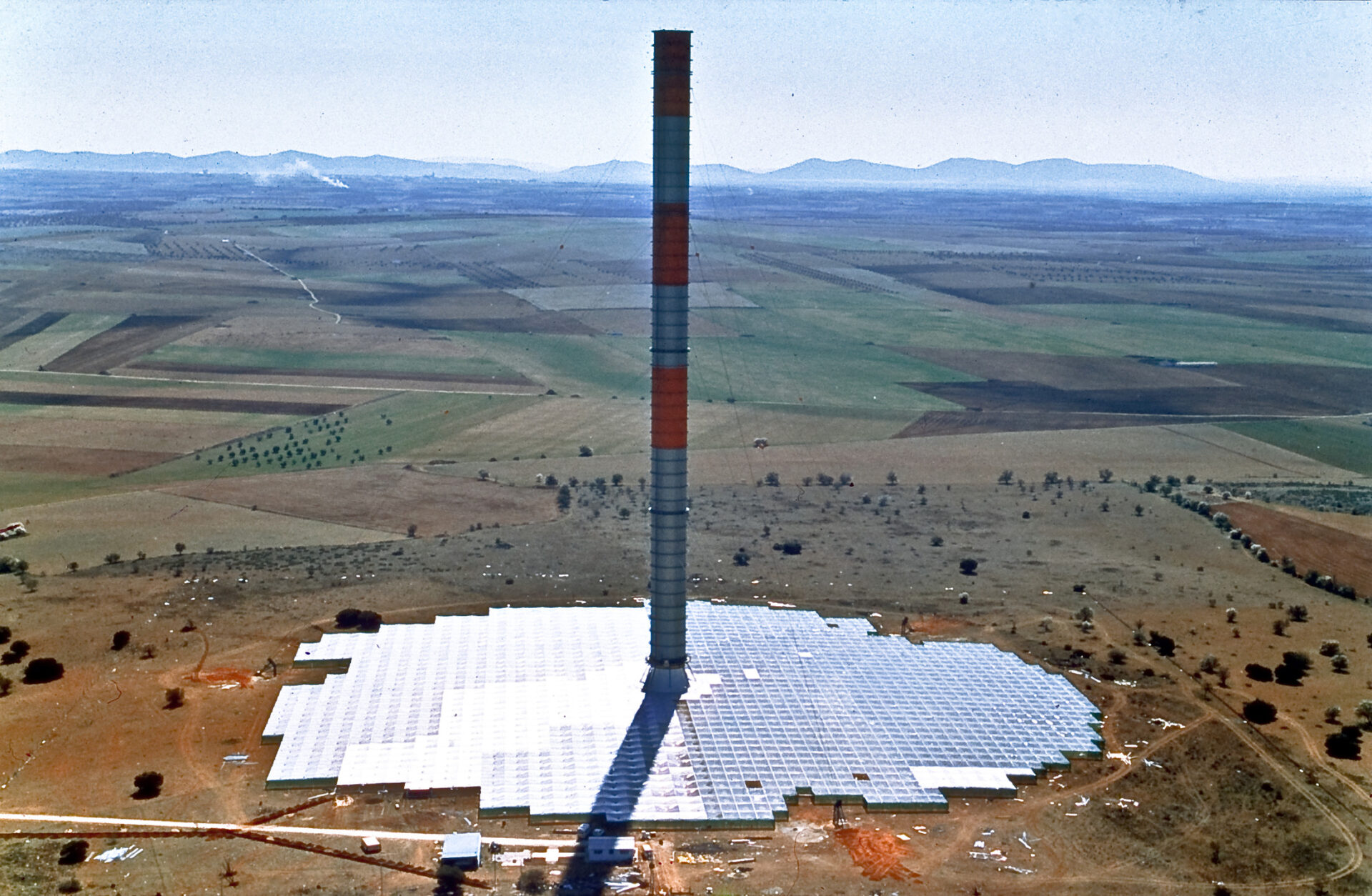
Solar Chimney in Spain Harnessed Sun to Generate Electricity for 7 Years Without Burning Fuel


With so many clear benefits, it is evident that solar energy harnessed by microinverters is on the brink of a new peak. Continuous investment in research and development by industry leaders brings constant improvements and innovations to the market. As 2023 progresses, it is expected that the adoption of systems with microinverters will continue to rise, meeting the needs for both efficiency and sustainability of the 21st century.
Projections from SolarPower Europe in a survey published in May indicate that microinverters could become standard in commercial residential installations within the next five years. The growing usage signals a new era in the energy sector where efficiency and flexibility are key to a sustainable world. Observers agree that the technology will help promote a green energy future by reducing dependency on fossil fuels and driving a cleaner, safer global economy.
Viable and advantageous for those looking to implement solar energy systems in their homes or small businesses, microinverters shine due to their fundamental difference compared to conventional inverters, especially in installation and operation. In traditional systems, a single inverter is usually used for all solar panels. On the other hand, microinverters are connected to smaller groups of two to four panels, each with its individual input. This ensures that each panel operates autonomously, maximizing efficiency in solar energy generation.
Independent Operation of Microinverters
Each solar panel is coupled with a dedicated input of the microinverter, allowing each to function at its optimal power point (MPP), independent of the behavior of the others. Thus, microinverters increase the overall efficiency of the system. Moreover, they offer superior flexibility, as the system can be easily expanded by adding new panels along with their microinverters, accommodating different sizes and capacities of high-power photovoltaic modules and allowing for various combinations. An additional benefit is the individualized monitoring of microinverters.
This type of monitoring improves fault detection and simplifies maintenance by allowing detailed observation of the performance of each solar panel. With over a decade of experience in the field of hybrid inverters, SolaX Power has expanded its portfolio to include microinverters. In Brazil, SolaX offers three models: X1-Micro 1200 (two modules), X1-Micro 2000 (four modules), and X1-Micro 2200 (four modules).
Technological Differentiators of SolaX Microinverters
One of the highlights of these models is the compatibility with the latest high-power photovoltaic modules, ensuring elevated efficiency in energy conversion. These microinverters also integrate advanced communication technologies, such as Wi-Fi, providing greater flexibility in connectivity and facilitating system monitoring and management. Fully compatible with SolaX hybrid inverters, these microinverters can be integrated into coupled systems, offering adaptable configurations such as microgrids and energy storage solutions.
The National Electric Energy Agency (Aneel) approved, for 2024, changes to Normative Resolution No. 100/2021, adopting the fast track modality. This change exempts specific analyses of flow inversion from the client’s request, provided that the connection of distributed microgeneration is exclusively for internal compensation in the consuming unit, with an installed capacity of up to 7.5 kW. Some clients have already praised the remarkable performance of the SolaX X1-Micro 1800 microinverter in this context.
Benefits and Evaluations in the Brazilian Market
Additionally, other attributes of these products facilitate the work of integrators during project implementation. A notable differentiation is the simplified monitoring, as no external tools are required for communication between the microinverters and the monitoring platform server, since they have internal communication via Wi-Fi. Another benefit is the high input current for photovoltaic modules, which allows compatibility with various module options and operation at lower voltages, minimizing electrical risks.
New developments will soon be introduced for the SolaX microinverter line. In Brazil, the most acclaimed model has four inputs and four MPPTs, with a capacity of 2,000 Watts. Gilberto Camargos, executive director of SolaX Power in Brazil, anticipates that new power options will be announced soon.
Source: SOLAX POWER Press