Portuguese
  Spanish


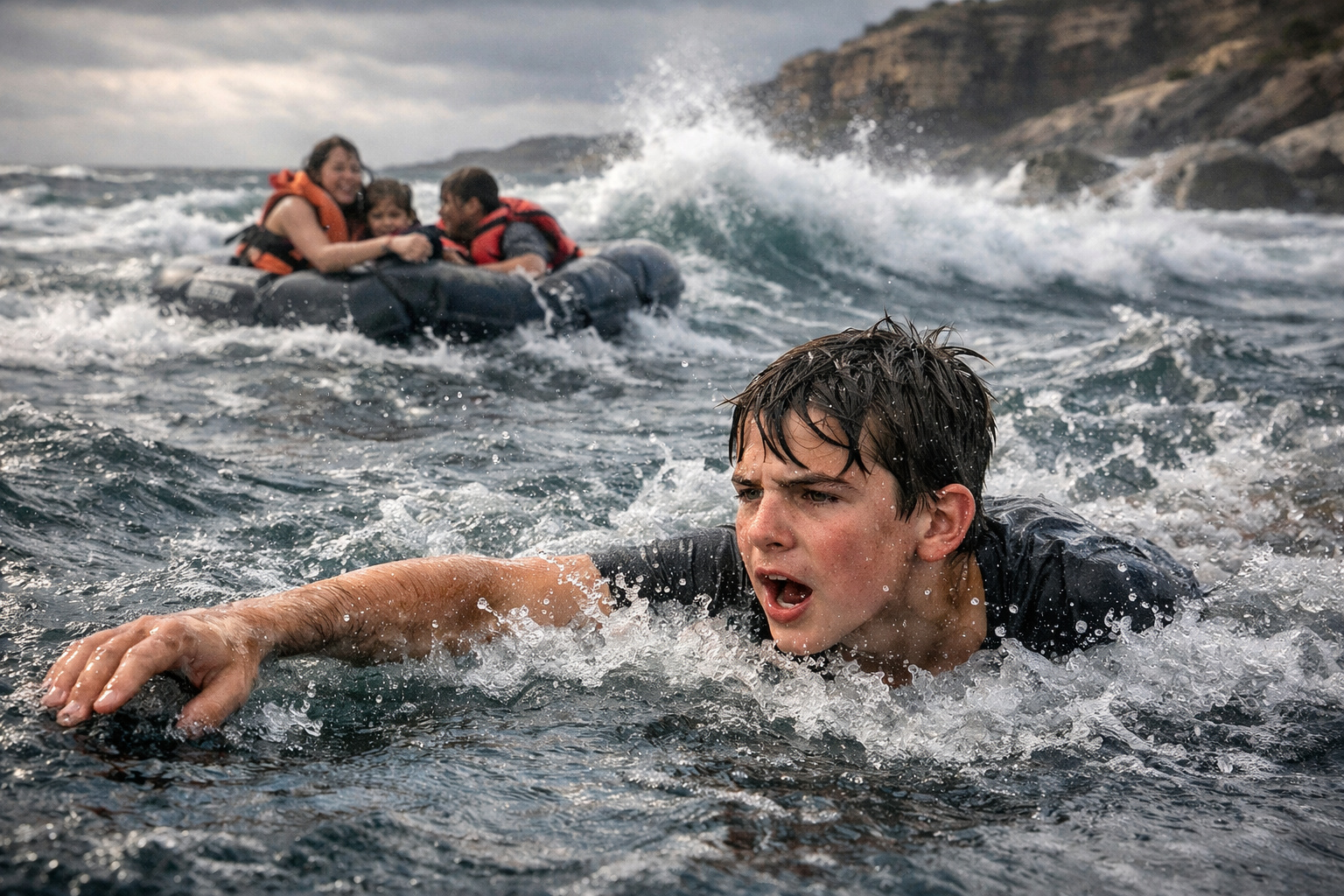

An Act of Courage at Sea Turned a Family Outing into a True Survival Story That Moved Rescue Teams and Local Authorities
What started as a leisure afternoon on the coast of Australia almost ended in tragedy. However, thanks to the courage and resilience of a 13-year-old boy, an entire family escaped drowning in open sea. The teenager swam about four kilometers to the shore to seek help after being swept away by the ocean along with his mother and two siblings.
This information was released by local authorities in Australia, according to an official police statement published on Monday (3). According to the report, the incident occurred on the Quindalup coast while the family was practicing kayaking and stand-up paddle. At one point, the sea conditions changed, and the equipment began to be carried away from the shore.
Faced with the growing danger, the young boy made a decision that would require unusual physical strength, emotional control, and determination for someone his age.
-
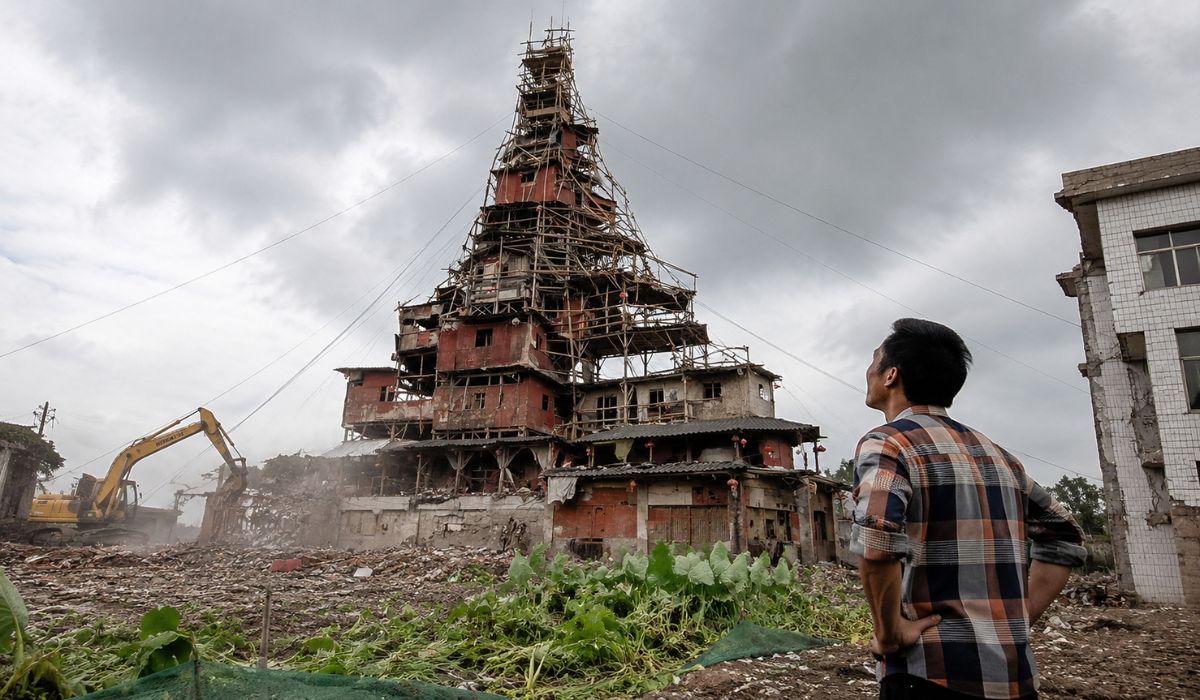
Chinese Man Transforms Home into 10-Story Pyramid Over 8 Years, Defying Authorities Before Demolition

-
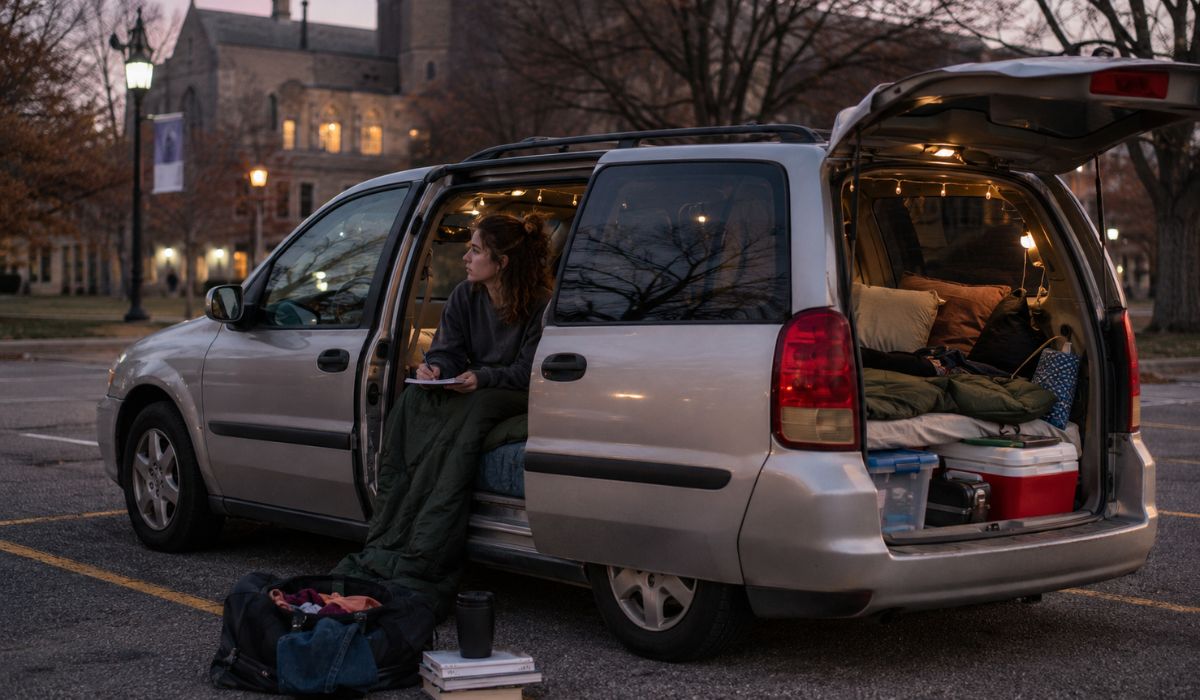
Faced with College Costs, Brazilian Student Lived in a Minivan for Nearly Two Years to Graduate Debt-Free
-
Tokyo Scientists Create First 18cm Biohybrid Hand Using Human Muscle, Capable of Scissor Gesture and Holding a Pipette

-
Brazil Faces Norway in World Cup at Stadium Linked to Jimmy Hoffa’s Mysterious Disappearance



How the Boy Made the Decision to Swim to Shore to Save His Family
According to authorities, the teenager, identified as Austin Appelbee, initially tried to paddle back in his kayak. However, upon realizing that the equipment started to sink, he needed to act quickly. Without a life jacket, Austin abandoned the kayak and headed towards the shore swimming.
Meanwhile, his mother, aged 47, his 12-year-old brother, and his 8-year-old sister remained in the sea, clinging to a stand-up paddleboard. The situation was critical, especially because the sea was exhibiting strong waves and intense currents.
Still, driven by concern for his family, Austin stayed focused. In an interview with CNN affiliate, 9News, the boy said that thinking about his relatives was what kept him going.
“I just thought: ‘Okay. Not today, not today, not today.’ I had to keep moving,” he reported.
According to him, to survive, he needed to alternate swimming strokes. “The waves were huge. I swam breaststroke, I swam freestyle, I swam backstroke to survive,” he told the broadcaster.
Air Rescue, Extreme Effort, and Recognition from Authorities
After reaching the beach, Austin still had to face another challenge. According to his own account, he collapsed when he hit the sand. Even exhausted, he ran about two kilometers to find a phone and call for help.
From there, a search and rescue operation was immediately initiated. A helicopter located the mother and the two siblings clinging to the board, as confirmed by the police. Shortly thereafter, a volunteer maritime rescue boat was directed to the scene and successfully retrieved all three from the sea.
The commander of Maritime Rescue, Paul Bresland, classified the boy’s actions as a true “superhuman effort.” In a statement to 9News, he highlighted that Austin swam for about two hours without a life jacket. “And yet, he made it,” he stated.
Additionally, the Maritime Rescue Service of the city of Busselton also commented on the case. In a statement posted on Facebook on Saturday (31), the entity stated that the case had “a great outcome,” despite the difficult conditions faced during the rescue.
Training from an Early Age and the Confidence of an Emotional Mother
The boy’s mother, Joanne Appelbee, revealed that all her children learned to swim from a young age. According to her, despite the scare, she never doubted her son’s ability.
“I am at a loss for words with his effort, but at the same time, I knew he could do it,” she told 9News.
Meanwhile, Austin’s story began to ripple throughout Australia. The incident sparked discussions about sea safety, the use of life jackets, and physical preparedness for water activities. At the same time, it reinforced how training, courage, and quick decision-making can save lives.
Do you think physical preparedness and early swimming lessons can be decisive in saving lives in extreme situations like this?