






 Portuguese
  Spanish
  3 min of reading
  0 comments


The Brazilian Vehicle Market Is About to Receive a Variety of Mini SUVs in 2024, Marking the Year as a Period of Renewal and Diversity in the Compact and Subcompact Segment. Here, We Detail Some Models That Promise to Impact the Sector with Their Innovative Characteristics and Competitive Prices.
In 2024, Brazil will witness a significant transformation in the vehicle market with the arrival of a new wave of mini SUVs. This year, which promises to be marked by innovation and diversity in the compact and subcompact segment, will bring models that challenge current standards and offer renewed alternatives for Brazilian consumers, with established brands like Honda, Toyota, Renault, and Volkswagen.
Honda WR-V: The Evolution of the Compact


- Generation and Design: The second generation of the WR-V shows a remarkable leap. No longer a version of the Fit, it transforms into a genuine crossover, with a design that combines elegance and modernity.
- Features: Highlights include full LED headlights, 17-inch wheels, and LED taillights.
- Interior and Comfort: Despite an interior predominantly made of hard plastics, it offers comfortable space for four adults and a child.
- Engine and Performance: Equipped with a 1.5-liter four-cylinder aspirated Flex engine, generating 126 horsepower and 15.8 kgfm of torque, coupled with a CVT transmission that simulates up to seven gears.
- Price Expectation: Between R$ 110,000 and R$ 150,000, positioning itself competitively in the market.
- Launch: Expected in the second half, with potential to become one of Honda’s most popular models in Brazil.
Toyota Yaris Cross: The Conquest of the Brazilian Market
- Innovative Design: Inspired by the RAV4, the Yaris Cross features an attractive design, with full LED headlights and 17-inch wheels.
- Interior and Equipment: Offers a well-finished interior, with a combination of hard plastic and leather, plus a complete set of equipment.
- Versatile Engine: In addition to the 1.5 aspirated engine, the new feature is the Flex hybrid option, combining energy efficiency and performance.
- Price Range: Estimated between R$ 110,000 and R$ 170,000, promising good cost-benefit.
- Local Production: Confirmation of manufacturing in Brazil, increasing consumer expectations.
Kardian: The Revolution of Renault
- Concept and Design: First SUV of the Renault lution movement, it features a modern and attractive design, ideal for a younger audience.
- Space and Comfort: With a wheelbase of 2.60m, it offers a spacious and comfortable interior.
- Powerful Engine: Comes with a 1.0 turbo three-cylinder Flex engine, delivering 125 horsepower and 22.5 kgfm of torque.
- Transmission: Equipped with a six-speed automated dual-clutch transmission.
- Price and Launch: Prices are still undefined, but it is speculated that the top-of-the-line version will cost around R$ 145,000. Launch is expected in February.
Volkswagen T-Cross Facelift: Maintaining the Leadership
- Design Updates: First facelift since 2019, bringing subtle yet significant changes to the external and internal design.
- Engine: Maintains 1.0 and 1.4 turboflex versions.
- Launch: Expected in early 2024, aiming to maintain its prominent position in the market.
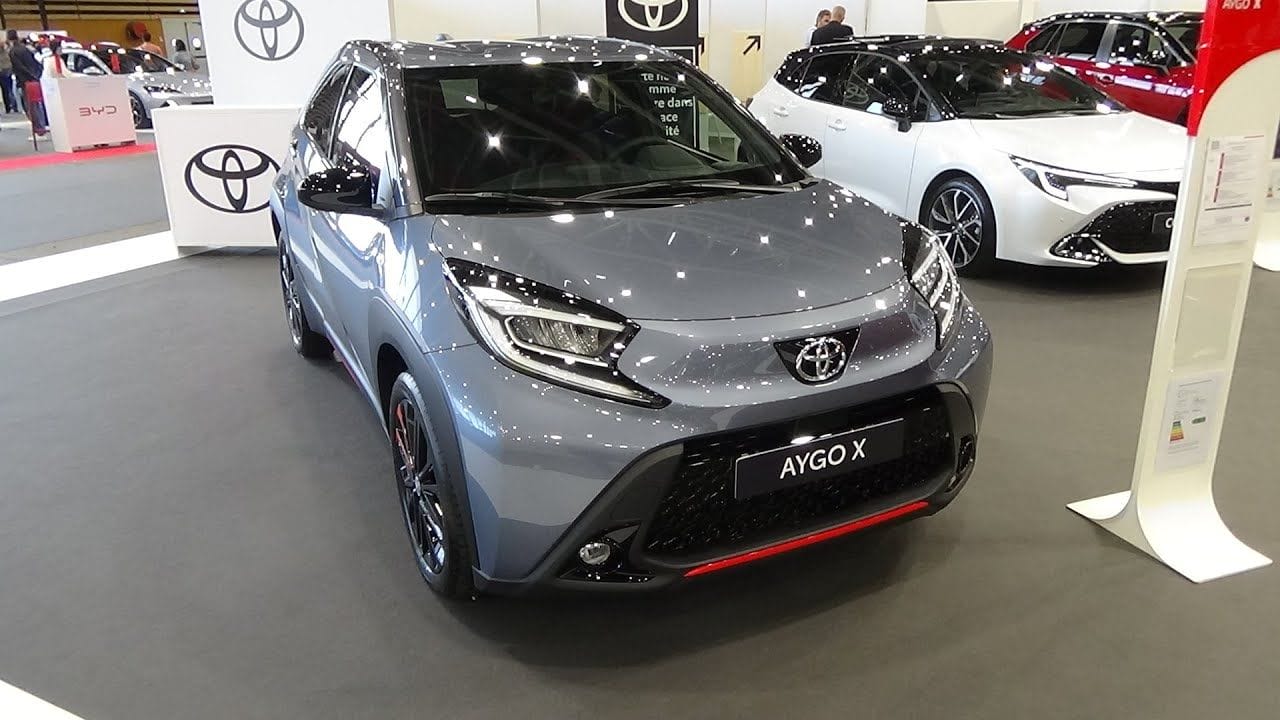
Toyota Aygo X: The New Entrant
- Design and Style: Features a distinctive design, with a youthful and modern look.
- Engine: Equipped with a 1.0 aspirated four-cylinder gasoline engine.
- Estimated Price: Between R$ 75,000 and R$ 100,000, an affordable option in the segment.
The year 2024 holds a variety of options in the SUV segment in Brazil, with models ranging from compact to subcompact, offering Brazilian consumers a wide range of choices that promise to shake up the automotive market with innovations, modern design, and advanced technology.
-
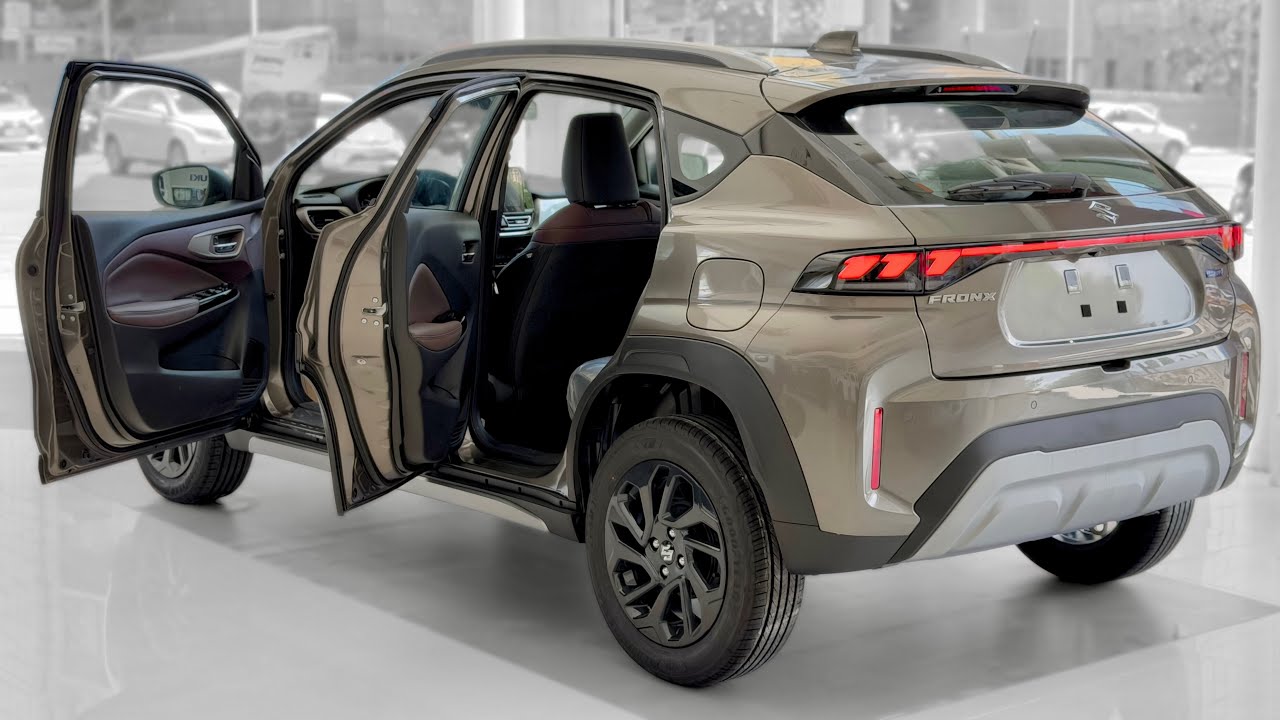
Suzuki Fronx emerges as the “compact coupe SUV” that Brazil doesn’t have: priced around R$ 37,000 in a tax-free conversion, the model has a hybrid version, 1.0 turbo engine, bold design, and the price of a popular car in India.

-
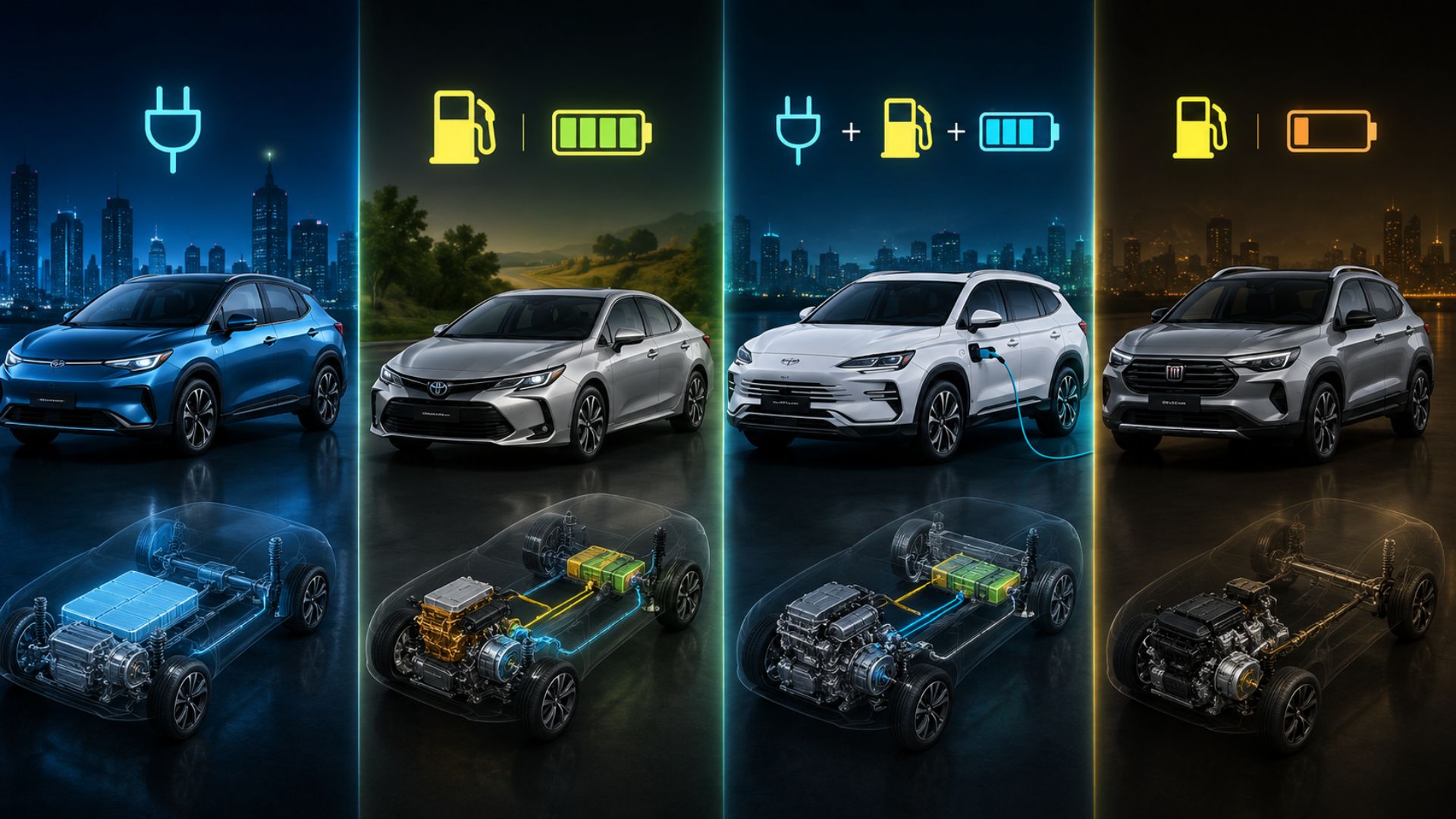
Not every car with a battery is truly electric; some hybrids never run solely on electric power, and since 2025, ABVE stopped counting mild hybrids as electrified, and these differences change everything when buying.

-
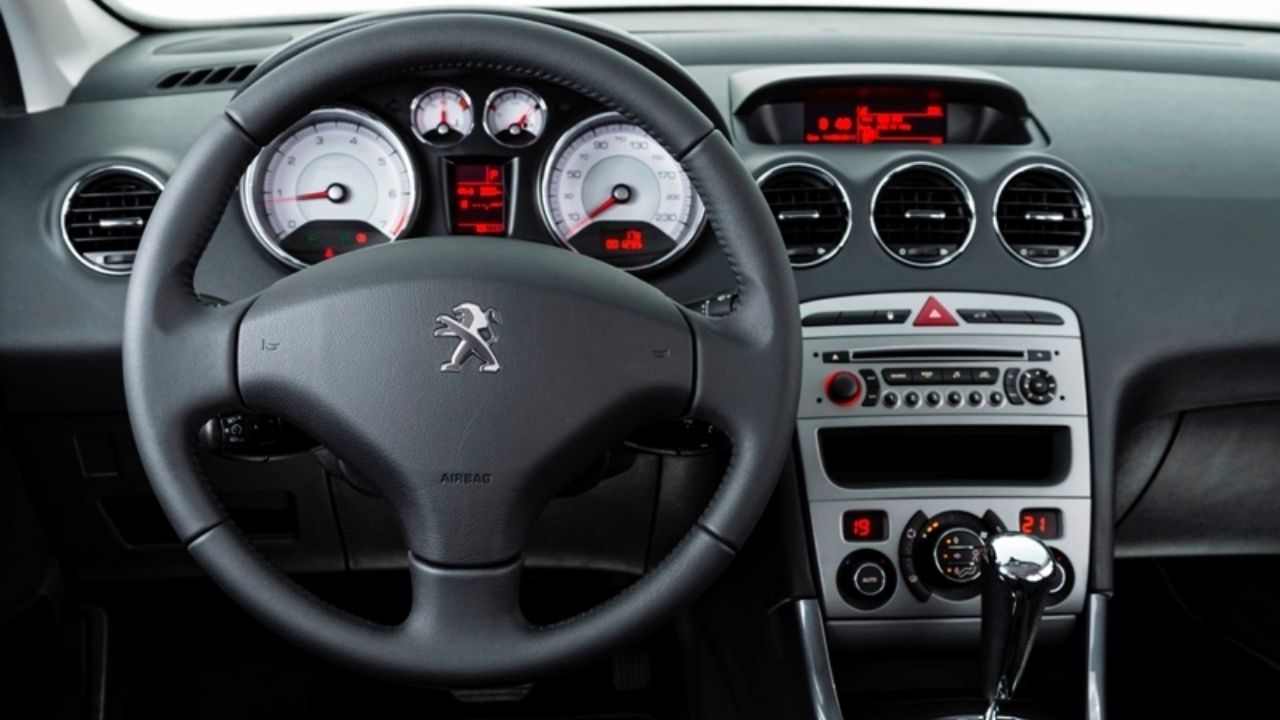
Peugeot 408 Griffe 2015 combines a turbo engine, 0 to 100 km/h in 8.3 seconds, a 526-liter trunk larger than many compact SUVs, leather, multimedia, cruise control, and a sunroof, but it remains off the radar among fully equipped used cars.
-
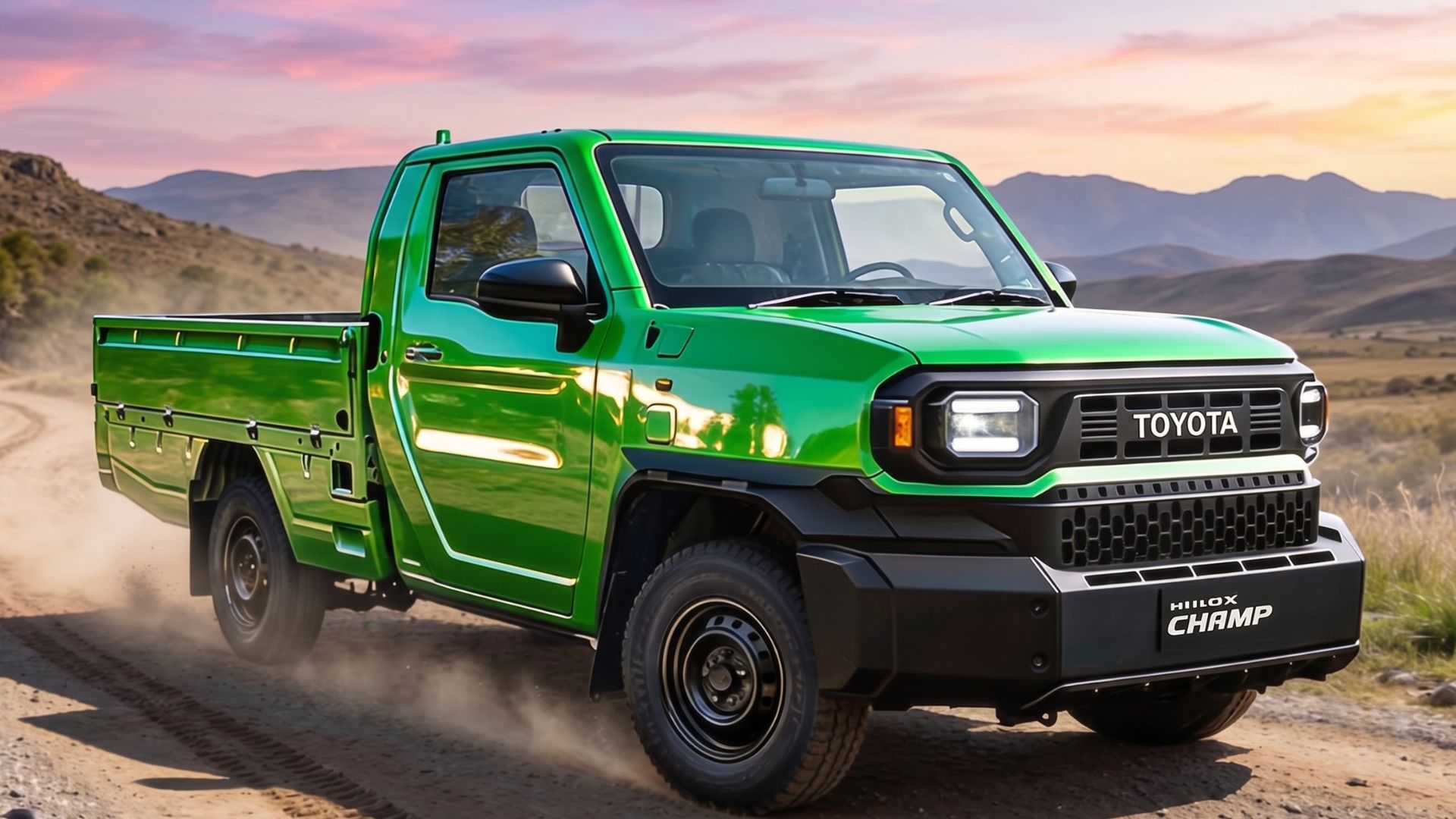
Toyota Hilux Champ emerges as the “mini-work Hilux” that Brazil doesn’t have: for around R$ 81,7 thousand in conversion without taxes, the pickup has a modular chassis, single cab, 2 seats, 2.4 diesel engine, and a popular car price to become a tool for construction, cargo, and small business in Thailand.









Be the first to react!