Portuguese
  Spanish


Mercedes Starts Production of New CLA Electric with Up to 790 Km of Range and Starting Price Above 54 Thousand Euros
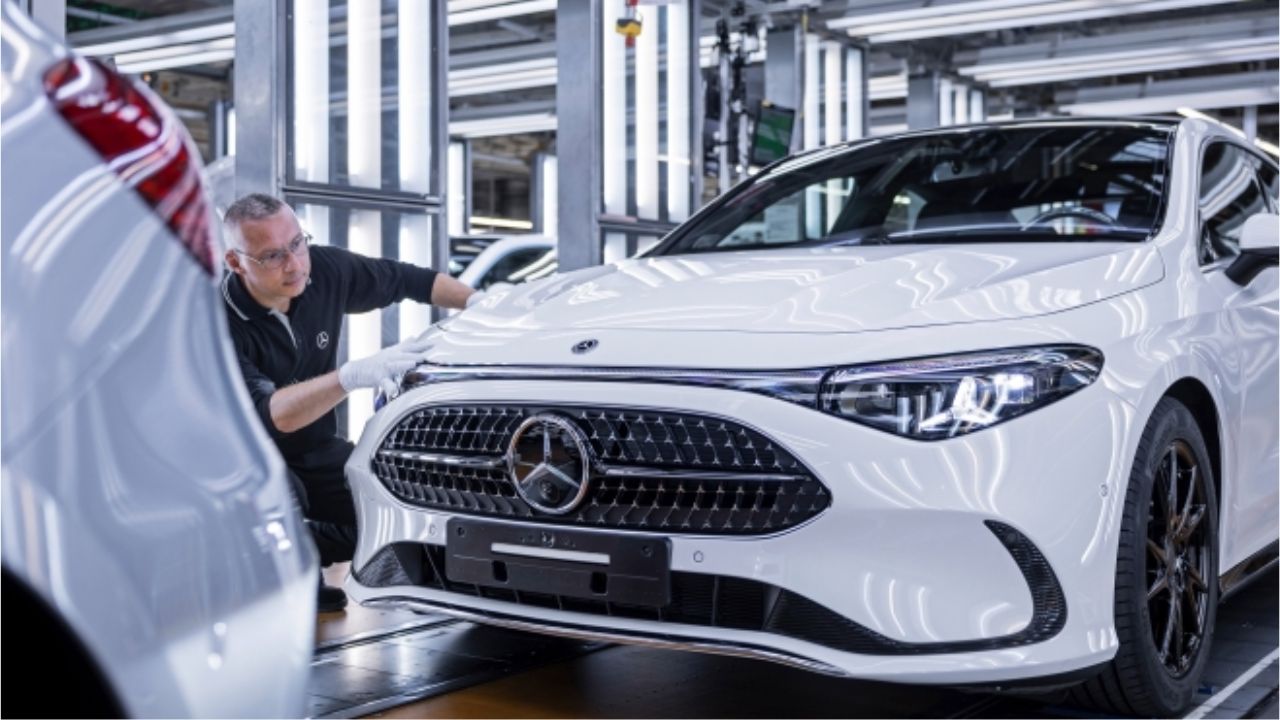
The newest electric model from Mercedes-Benz has begun to take shape on the assembly line at the Rastatt factory in Germany. With a bold design and an audacious proposal, the new Mercedes CLA electric emerges as the brand’s key asset to capture a larger share of the competitive European emission-free vehicle market. The promise is for a sedan with enviable range and top performance, but not everything has been straightforward in this journey.
Course Change: Mercedes’ Electric Future Still Faces Obstacles
Despite Mercedes’ initial goal to become a 100% electric brand by the end of this decade, commercial reality has forced a revision of plans. According to the company’s executives, in the most optimistic scenario, around 50% of sales by then should be of electric or plug-in hybrid models. Still, the bet remains strong: the new CLA electric inaugurates a completely new generation of cars with the three-pointed star.
Officially presented on March 14 of this year, the third-generation CLA features a series of innovations, highlighting its 100% electric version. Although new powertrains, including a low-consumption hybrid variant planned for 2026, are in the pipeline, at this first moment only the electric versions will be available to customers.
-
End of an era in Brazil: beloved sedan by Brazilians is discontinued despite having a 2.0 engine with 151 hp, CVT transmission, 466-liter trunk, and up to 650 km of range.

-
New Law Proposal in Brazil Could Heavily Penalize Drivers: Dangerous Overtaking May Become a Serious Offense with Fines Increased Tenfold and a 12-Month License Suspension; Update on 2026 Progress

-
Electric Revolution: Watts W125 Motorcycle Offers 160 km Range, 90 km/h Speed, and Affordable Price Starting at $3,000
-
General Motors Replaces Over a Thousand Workers with 50 Cobots at Electric Vehicle Plant, UAW Union Criticizes Move Amid Industry’s Automation Push



CLA Electric Debuts with Impressive Range
Currently, the lineup features two main options: the CLA 250+ and the CLA 350 4MATIC. The standout data? The range: up to 790 kilometers in homologated WLTP cycle, one of the highest ever seen in an electric car in Europe. Only two luxury models exceed this range, both with significantly higher prices.
However, the path to the stores has not been without controversy. Mercedes’ decision not to include, from the factory, a DC/DC converter capable of allowing charging at 400-volt stations has generated heavy criticism. These stations, which include practically the entire network of 50 kW chargers and the famous Tesla Superchargers, are now the majority in both Europe and other parts of the world. Without the converter, the first electric CLAs will not be able to be charged at these points.
Limited Charging Speed, but Promise of Correction
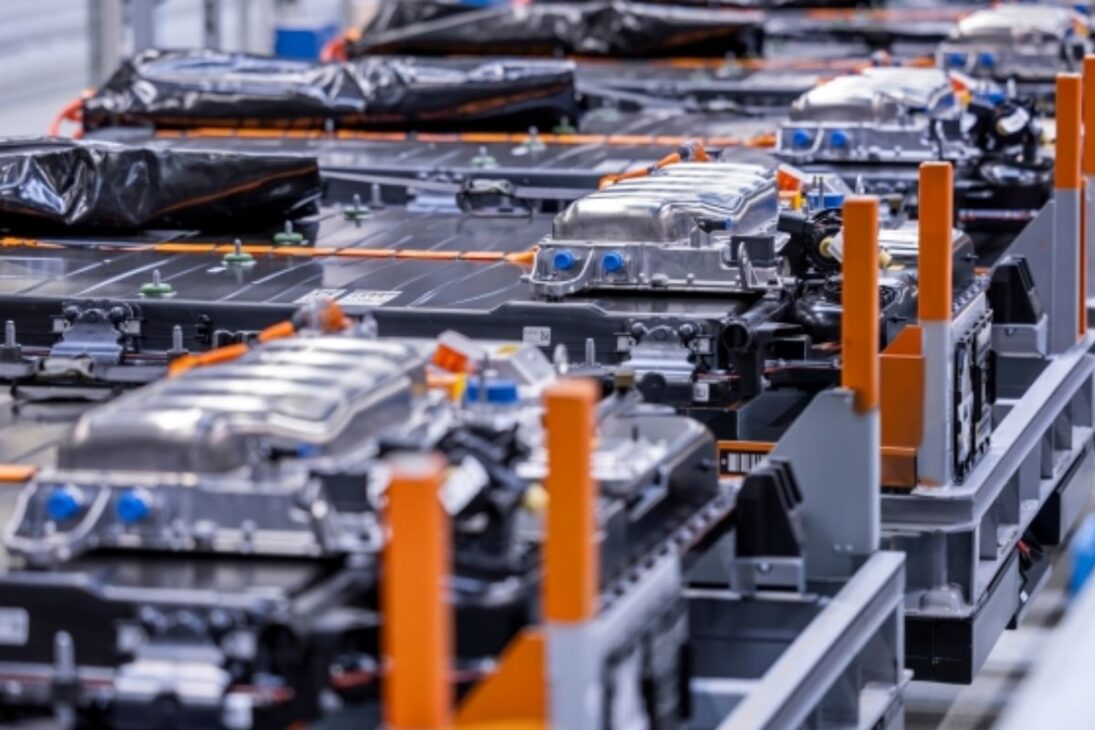
It is true that the new CLA supports impressive charging rates of up to 325 kW in direct current, but this only occurs at 800-volt stations, which are still in the minority. Mercedes has already announced plans to address this limitation — at least in the North American market — by installing a converter in future units. However, the first cars with this correction are not expected until 2026.
As if that weren’t enough, the starting price of the electric CLA, of at least 54,710 euros (around R$ 320 thousand at the current exchange rate), positions it above direct rivals like the Tesla Model 3, which is considered a market benchmark. This could impact its competitiveness, even with the technical advancements of the new model.
A New Beginning in Rastatt
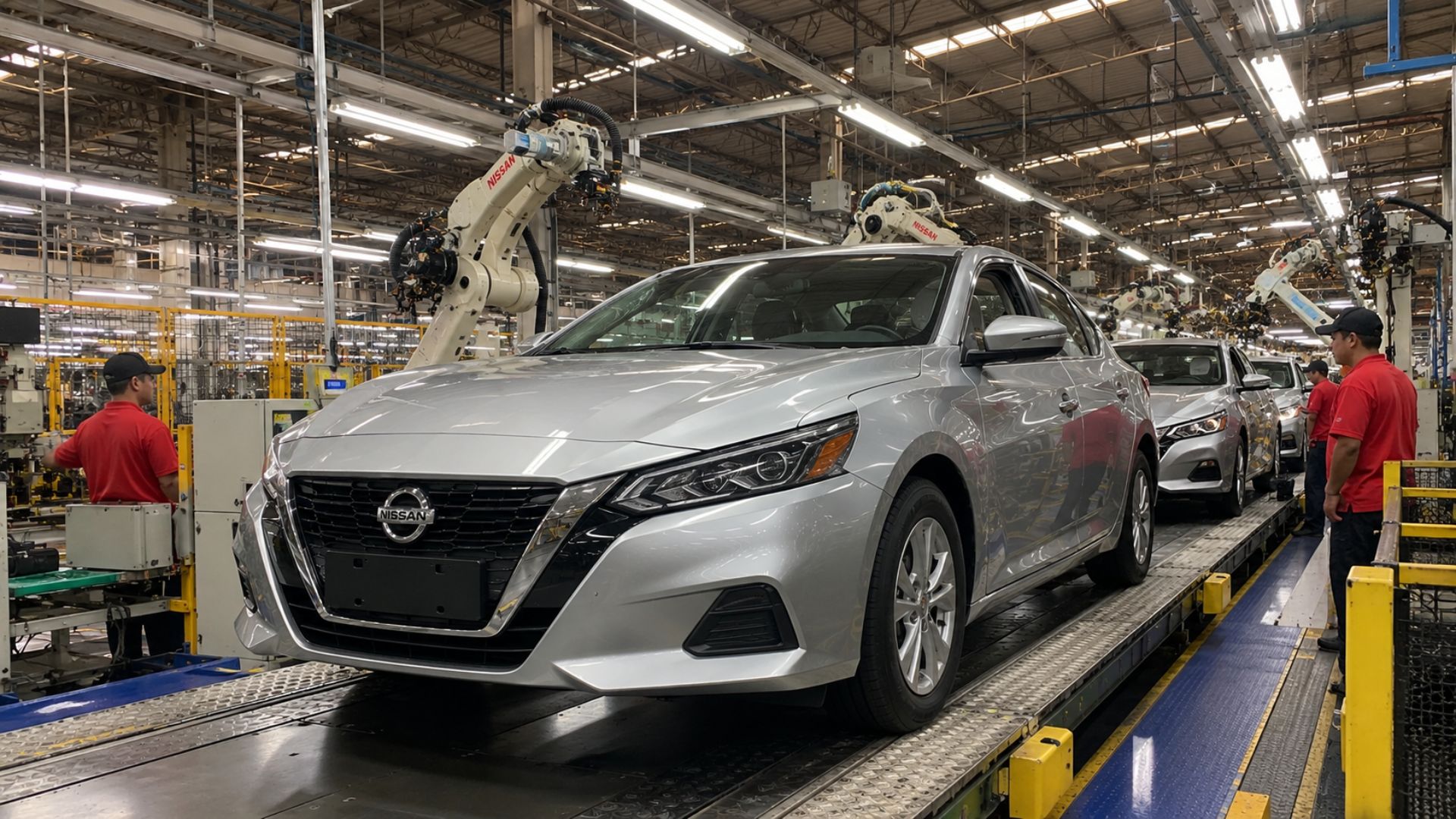
Despite the controversies, the CLA has already reached an important milestone: mass production has officially begun at the Rastatt factory, one of the most important industrial centers of Mercedes-Benz. The first units are expected to be delivered to European customers during the summer or at the latest by the end of the season.
Mercedes urgently needs to rethink its strategy for electric vehicles. Some recent models from the brand have not taken off. This is the case with the electric G-Class, which has seen global sales of only a few thousand units. Meanwhile, combustion versions continue to dominate sales.
Still, the automaker believes that the new CLA electric can mark a turning point in the acceptance of its battery vehicles. If it can overcome technical challenges and adjust its pricing policy, the CLA has everything to be a key piece in the long-desired transition of Mercedes to an electric future.