






 Portuguese
  Spanish
  4 min of reading
  0 comments


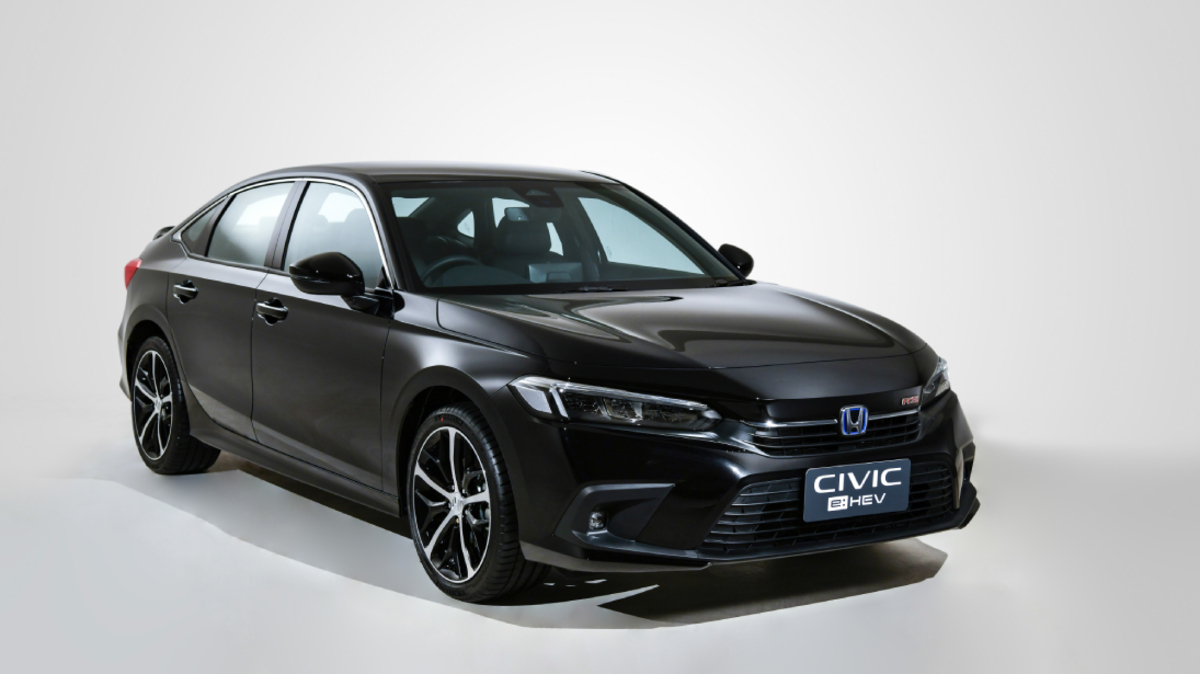
Honda Civic Has Sold Over 1.5 Million Units in Brazil, Faced Corolla, Cruze, Sentra, and Jetta, and Became a Symbol of Japanese Premium Sedan.
Launched in Brazil in 1992, the Honda Civic quickly became one of the most desired midsize sedans in the country. Initially produced in Japan and then nationalized in Sumaré (SP), the model brought to the Brazilian market something that was rare at the time: build quality, mechanical reliability, and a touch of sportiness in a segment dominated by more traditional options.
Over three decades, the Civic has accumulated over 1.5 million units sold in Brazil, establishing itself as one of the most important midsize sedans in our automotive history.
Rivalries That Marked Generations
The Civic has never had an easy life. Since its arrival, it needed to face heavyweight competitors. In the 1990s, it battled with the Toyota Corolla, which would soon become its biggest historical rival.
-
Uber Faces Shareholder Scrutiny as Board Accused of Ignoring Safety, Compliance, and Harassment Warnings Amid Over 3,500 U.S. Lawsuits

-
Ferrari’s First Electric Car Divides Fans, Priced at $630,000, Amid Concerns Over Limited Editions; Brand Clarifies It’s Not Just for Future Perks
-
BYD Dolphin Mini: The Electric Car That Defies Depreciation, Losing Only 3.58% in a Year and Becoming the Best-Selling Retail Model Under $22,000

-
Electric Car JAC E-JS4 Loses $19,000 in Value in One Year, Leading Record Depreciation of Used Cars in Brazil Due to Expensive Battery and New Models


In the 2000s, the competition intensified with models such as Chevrolet Vectra and Cruze, Nissan Sentra and Volkswagen Jetta.
Despite the fierce competition, the Civic has always maintained its identity: a midsize sedan that balanced comfort, technology, and performance. This positioning helped it win over different generations of drivers, especially young executives and driving enthusiasts.
The Peak of Sales in Brazil
The Civic reached its peak in the Brazilian market in the 2000s. In some years, it even surpassed 70,000 units annually, directly competing with the Corolla for absolute segment leadership.
Its sporty image, reinforced by versions like the Si and the bold design of the eighth generation (launched in 2006), was crucial to its success.
During this period, the Civic became almost a symbol of social ascent: owning a Civic meant reaching a new level of status.
1.5 Million Units Sold in the Country
Official data confirms that the Honda Civic has already surpassed the mark of 1.5 million units sold in Brazil throughout its history.
Globally, the number is even more impressive: there are over 27 million units since its debut in 1972, making it one of the best-selling cars of all time.
In Brazil, this volume places it among the most sold midsize sedans in history, consolidating its image as a premium affordable car.
Civic vs. Corolla: A Historic Battle


If there is a duel that defines the history of midsize sedans in Brazil, it is Civic versus Corolla. While Toyota focused on comfort and conservative reliability, Honda has always delivered an extra dose of sportiness and boldness in design.
This rivalry created a clear division among consumers: those who preferred the sobriety of the Corolla and those who identified with the sporty appeal of the Civic. Even today, this comparison fuels forums, clubs, and debates among enthusiasts.
The Market Shift and Decline in Sales
In recent years, the Civic has lost ground in Brazil. The explosion of the compact and midsize SUV market — such as Jeep Compass, Toyota Corolla Cross, and Chevrolet Tracker — has drastically reduced the space for midsize sedans.
In 2021, Honda decided to end the production of the Civic in Sumaré and Itirapina, importing only specific versions, such as the Civic hybrid e:HEV. The decline in sales was inevitable, but the brand’s prestige and the model remain intact.
The New Hybrid Civic and the Future in Brazil
With the arrival of the imported hybrid Civic, Honda seeks to reposition the model as a reference in technology and sustainability. Even in a more restricted niche, the Civic maintains its status as a premium sedan, now focusing on electrification and innovation, targeting a more demanding consumer.
Although it may not reproduce the sales volume of previous generations, the Civic continues to be synonymous with Japanese quality, sportiness, and reliability.
More than 30 years after its debut in Brazil, the Honda Civic remains alive in the memory of Brazilians. It was the car that took Honda to another level in the national market, solidified the brand as synonymous with quality, and showed that it was possible to combine sportiness, comfort, and durability in a midsize sedan.
With over 1.5 million units sold in Brazil, the Civic is not just a car: it is an automotive icon, a piece of history of the industry and the country’s automotive culture.





Be the first to react!