Portuguese
  Spanish


Archaeological find in the works of Metro Line 4 revealed about 1,800 historical pieces in Ipanema and Leblon, including crockery, coins, glass, cutlery, and tram tracks from the early 20th century
A discovery surprised Brazil in 2014. About 1,800 artifacts in the metro were found in excavations of Line 4, in Ipanema and Leblon, in the southern zone of Rio de Janeiro. The pieces, related to the late 19th and early 20th centuries, include crockery, coins, glass, cutlery, and tram tracks.
Artifacts in the metro include crockery, coins, and tram tracks
Among the approximately 1,800 pieces are porcelain, plates, bowls, cutlery, coins, glass objects, and tram tracks that operated in the neighborhoods starting in 1902.
Some utensils were found intact, such as crockery pieces, porcelain, and glass bottles. The quantity and variety of the material help reveal aspects of the region’s occupation during that period.
-
Australia Plans to Export Desert Solar Energy to Singapore via 4,300 km Undersea Cable in a $35 Billion Project

-
Archaeologists Discover 9,000-Year-Old Stone Hammer with Perfect Hole During Routine Inspection for Norwegian Bike Path

-
New Regulations in Brazil Require Dedicated Circuit and Safety Measures for Electric Car Chargers in Condos, Highlighting Hidden Risks of Overnight Charging

-
Argentinian Students Transform Cigarette Butts into Eco-Friendly Bricks, Cutting Cement Use by Over 50% and Halving Costs



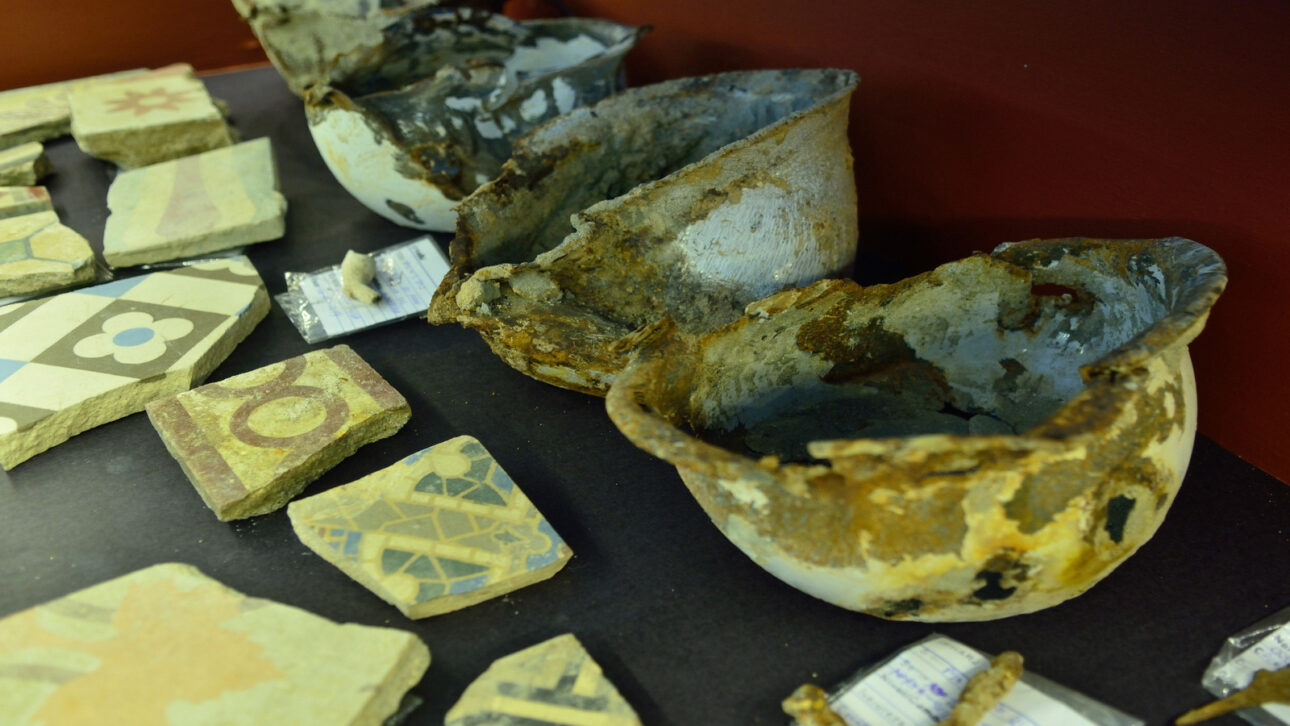
Pieces help reconstruct the occupation of Ipanema and Leblon
The coordinator of the archaeology team, Cláudio Prado de Mello, explained that the findings can show details of life in the region when Ipanema and Leblon had about 100 farms, according to historical documents.
Until then, it was the second time that thousands of pieces were found by the team hired by the Consórcio Linha 4 Sul. The first occurred the previous year, next to the old Leopoldina station, in the center of Rio de Janeiro.
The archaeological work began in January 2013 and continued under the supervision of the National Institute of Historical and Artistic Heritage and the Rio Heritage of Humanity Institute.
Chamber pots with organic matter will be analyzed by Fiocruz
Among the objects found are chamber pots, some with organic matter inside. These materials will be sent to the Oswaldo Cruz Foundation for paleoparasitology analysis.
According to Cláudio Prado de Mello at the time, the analysis can help identify diseases present in the population that lived in the area 100 or 200 years ago. For the archaeologist, this type of study can also contribute to medicine.
Another piece that drew attention was a glass ampoule with an unidentified translucent liquid. The content was not detailed in the consulted material.
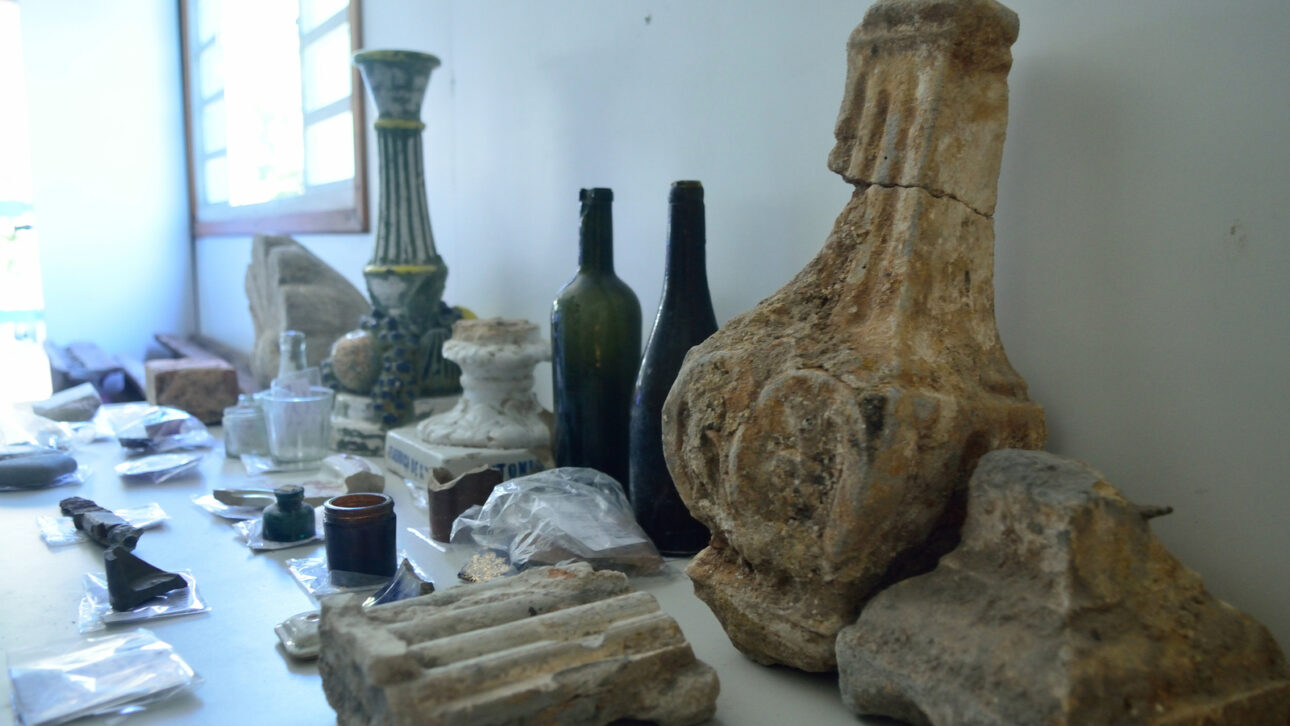
Material will be studied, cataloged, and used in heritage education
All the collected material is stored and will be studied. The pieces should also be displayed in heritage education projects aimed at the community, according to environmental licensing guidelines.
The objects will be organized and photographed for the production of a catalog. The archaeological work is expected to continue until the metro’s inauguration, scheduled in the material for 2016.
The archaeologist also stated at the time that delving into the origin of the artifacts could help explain trade relations and contacts between different societies. He also hoped to find pre-colonial traces in the area, such as indigenous burial or campsite.
This article was prepared based on information from Agência Brasil, with data, numbers, and statements preserved as per the consulted material.