Portuguese
  Spanish


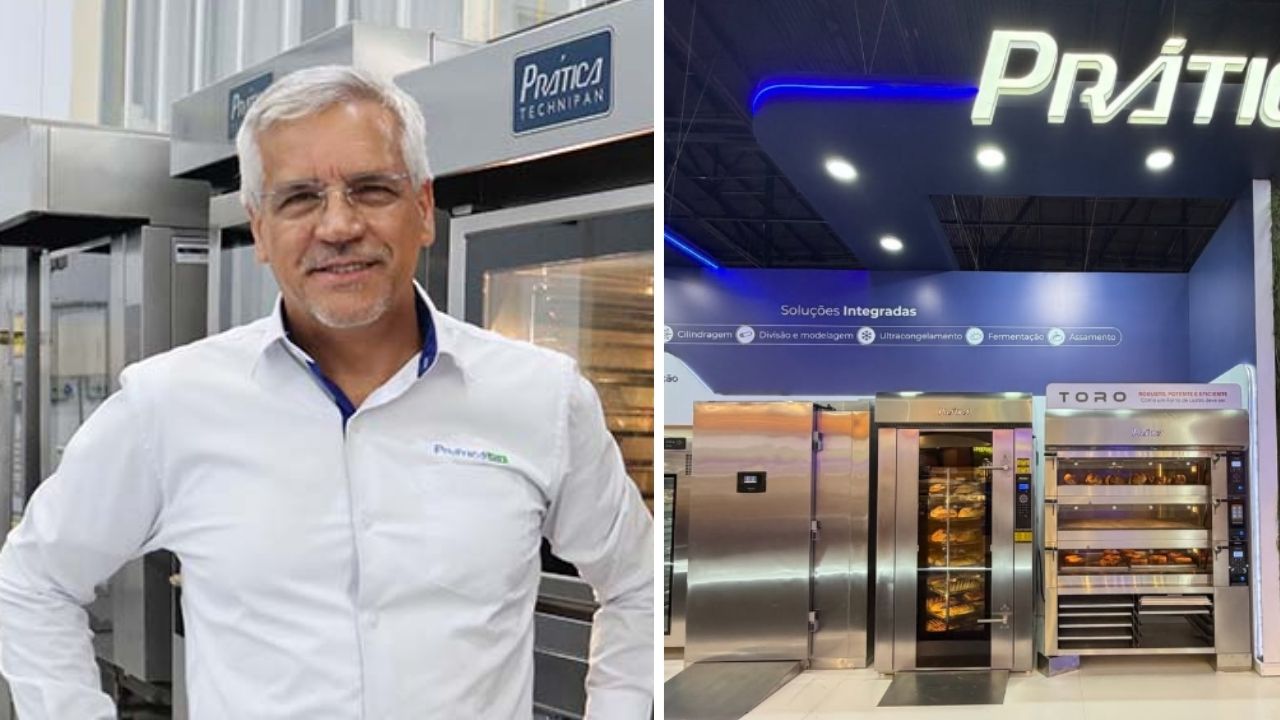

According to InfoMoney, Prática was born from more efficient ovens for bakeries in Pouso Alegre, in the south of Minas. Founded by André Rezende in 1991, the food service company exports to more than 50 countries, operates in the United States and Germany, and is preparing to approach the Spanish capital market.
The ovens used in bakeries were the technical point that paved the way for the creation of Prática, a Minas-based manufacturer of food service equipment. Before the company gained scale, André Rezende identified the high energy consumption of these devices as an opportunity to develop more efficient solutions for baking and professional kitchens.
The information was reported to the podcast Do Zero ao Topo and published by InfoMoney on June 19, 2026. Prática was born in 1991, in a small warehouse in the south of Minas, and today exports to more than 50 countries, with operations in the United States, a branch in Germany, and plans related to the European capital market.
Bakery revealed technical market problem
Before Prática, André Rezende participated in a family operation in Pouso Alegre that mixed a bakery, convenience store, and snack bar. The business did not progress as expected, but it left a market lesson: baking equipment had high energy consumption.
-
Elon Musk Loses Trillionaire Status as SpaceX Shares Plummet, Wiping Out $61 Billion in a Day

-
New Railway in Mexico Diverted to Preserve 4,000-Year-Old Rock Art Resembling Aztec Rain God
-
Chinese Researchers Discover Largest Whale Graveyard in Indian Ocean: Nearly 500 Skeletons, Some 5.3 Million Years Old, Reveal Ecosystem Insights and Potentially Unknown Species

-
11-Year-Old Takes Truck, Crashes Into Pilgrimage in Thailand, Killing Eight Buddhist Monks


According to Rezende, the ovens at the time were large energy consumers. The business insight was to transform an operational limitation of the sector into a technical opportunity, developing more efficient equipment for bakeries, industrial kitchens, and out-of-home food operations.
Engineering directed the first solution
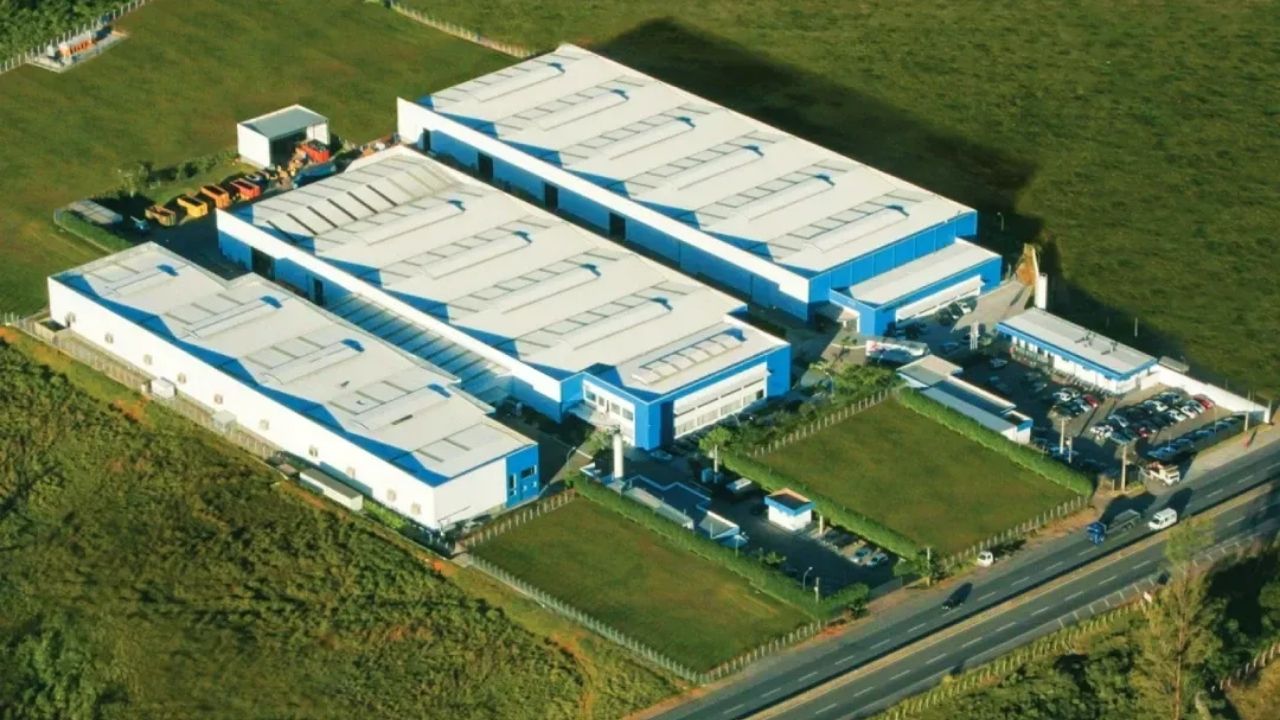
Graduated in engineering, Rezende sought a product with more technology and added value. Prática started with the development of equipment for baking, eventually reaching a bi-energy gas oven, designed to reduce dependency on electric consumption during critical times.
The company was founded in 1991 and spent its first years testing prototypes, adjusting products, and listening to clients from its own region. The initial focus was not to sell volume, but to find a viable piece of equipment for a concrete demand in the food service industry.
Energy efficiency became a competitive differential
Concern about energy gained even more weight in the early 2000s, during the period of electric rationing in Brazil. In that context, Prática developed ovens capable of alternating the heat source, using electricity or gas as needed.
This solution opened up opportunities for energy efficiency programs, including with utilities like Cemig, Light, Eletropaulo, and Cataguases Leopoldina, according to Rezende’s account. Energy savings ceased to be just a commercial argument and became part of the company’s technological strategy.
Product stopped being seen as a commodity
For those looking from the outside, ovens may seem like simple professional kitchen items. But Prática began to treat these pieces of equipment as technological platforms, with programming, connectivity, preparation control, and solutions aimed at food network operations.
Rezende mentioned equipment with thousands of lines of programming, connected systems, and technologies used in rapid ovens. In modern food service, the equipment needs to deliver speed, standardization, efficiency, and control in environments with high preparation volumes.
Rapid ovens expanded presence in networks


Among the highlighted products are speed ovens, or rapid ovens, which combine high-speed hot air, radiation, and microwaves. According to Rezende, this type of equipment is used in convenience stores, coffee shops, and networks that need to prepare food in a few seconds.
The company also incorporated features like an internal catalyst, capable of transforming fat into water and carbon dioxide, reducing the need for extraction in some uses. This advancement expands the application of the equipment outside the traditional kitchen, in smaller locations and quick-service operations.
Expansion began with consolidation in Brazil
Before a stronger international presence, Prática consolidated channels in the Brazilian market. The company started with nearby clients, advanced through resellers, representatives, and direct sales, until reaching national leadership in its segment.
This process allowed for an expanded portfolio and gaining critical mass. Prática began offering solutions for baking, professional kitchens, refrigeration, and other equipment related to the purpose of quality food without waste, as described by Rezende in the episode.
Latin America paved the way for export

International expansion began more consistently through Latin America, with a highlight on Chile. According to Rezende, the company found strategic distributors and started building a presence outside Brazil before moving into larger markets.
Today, according to InfoMoney, Prática exports to more than 50 countries. Internationalization did not occur as an isolated movement, but as a consequence of a world-class company vision, with product, process, and management ready to compete abroad.
United States required local presence
The major international leap came with direct entry into the United States, considered by Rezende to be the largest food service market in the world. Prática opened its own operation in Dallas, Texas, to compete locally with already established companies.
According to the founder, the main challenge was building trust in a competitive market. The strategy was to act as a local presence, with distribution, service, and relationships. To sell professional equipment, it’s not enough to export: it’s necessary to ensure support, replacement, and operational credibility.
Germany reinforced technological competition
Prática also opened a branch in Germany, a country associated with some of the main global competitors in the sector. For the company, being in this market has strategic value because it brings the brand closer to a relevant technological hub for industrial and food service equipment.
Rezende told InfoMoney that he sees Prática’s equipment in airports and German stations. This data reinforces the company’s international expansion, but without turning the external presence into a definitive consolidated result in all markets.
Capital market entered the strategy
Prática has been listed on B3 since the entry of BNDESPar, which was a shareholder between 2013 and 2023. According to Rezende, the listing brought discipline, governance, and better credit access conditions, despite regulatory requirements.
Now, the company seeks to approach the Spanish Stock Exchange, the BME, seeing the European market as an alternative to compete on international bases. The initial idea is to attract qualified investors before a broader opening in the future.
Revenue targets half a billion and next cycle
According to InfoMoney, Prática is expected to surpass half a billion reais in revenue this year. Rezende also stated that the company has the capacity to reach the first billion, supported by international expansion and market expansion.
The company has approximately 750 employees, according to the podcast report. The growth involves maintaining Brazil as a relevant base while external markets gain weight in the long-term strategy.
Case shows Brazilian industry with applied technology
The trajectory of Prática shows how a national industry can arise from a specific technical demand and grow with product, engineering, sales channels, and internationalization. The ovens were the starting point, but the business advanced to a broader food service platform.
The central point is a business reading: high energy consumption, development of more efficient equipment, national consolidation, and expansion to competitive markets. Do you think Brazilian industrial technology companies can gain more space outside the country? Leave your opinion in the comments.