Portuguese
  Spanish


Project Predicts Operation with Record Production
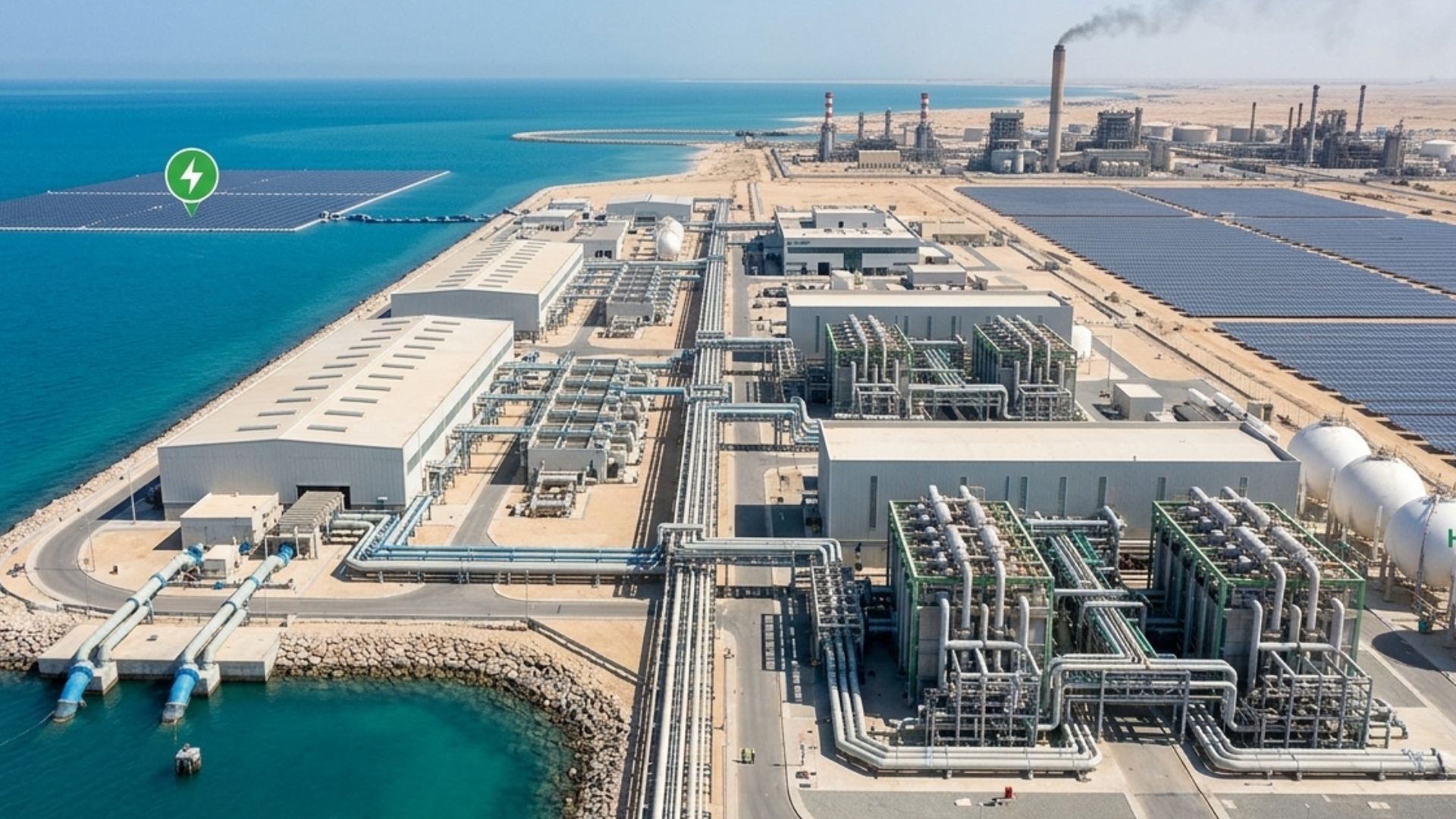
Transition Industries announced, in August 2025, the signing of a Basic Engineering (FEED) contract with Techint Engineering and Construction and Siemens Energy.
The agreement includes the implementation of an Elyzer P-300 electrolysis plant, with an approximate capacity of 210 MW, within the Pacífico Mexinol project, in Sinaloa, Mexico.
According to the company, the initiative represents a strategic milestone to accelerate the energy transition and consolidate the production of green hydrogen and low-carbon methanol.
-
Brazil to Hold First Auction for Batteries to Store Solar and Wind Energy from the Northeast

-
Brazilian scientists are simultaneously advancing two research projects on clean hydrogen and driving solutions that could transform the energy matrix, enhance industrial competitiveness, and accelerate large-scale emission reduction targets.

-
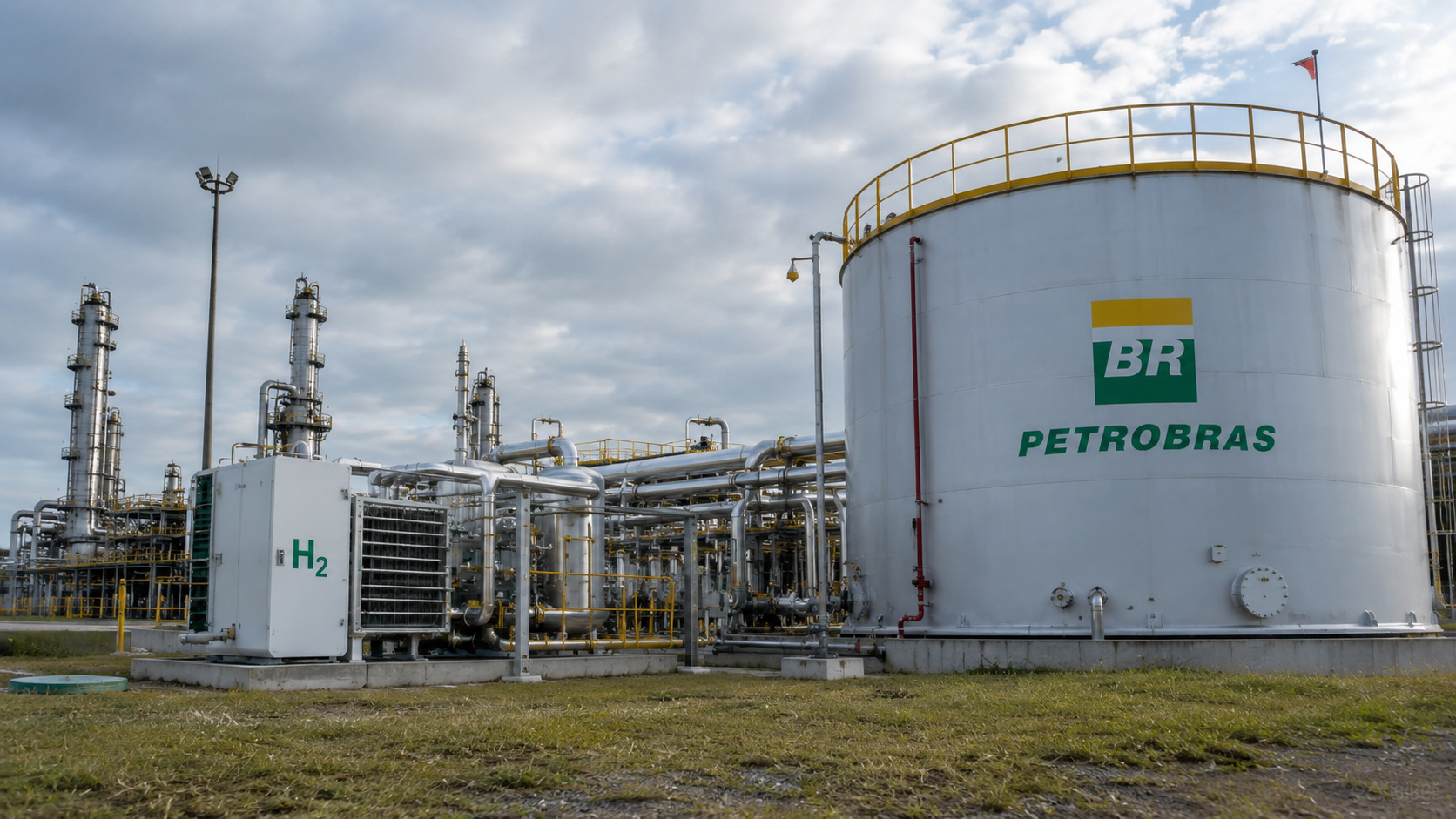
Advancement in renewable energy: A R$ 150 million project launched by Petrobras and Finep aims to create state-of-the-art electrolyzers for green hydrogen, strengthening national research and preparing Brazil to compete in a billion-dollar energy market.
-
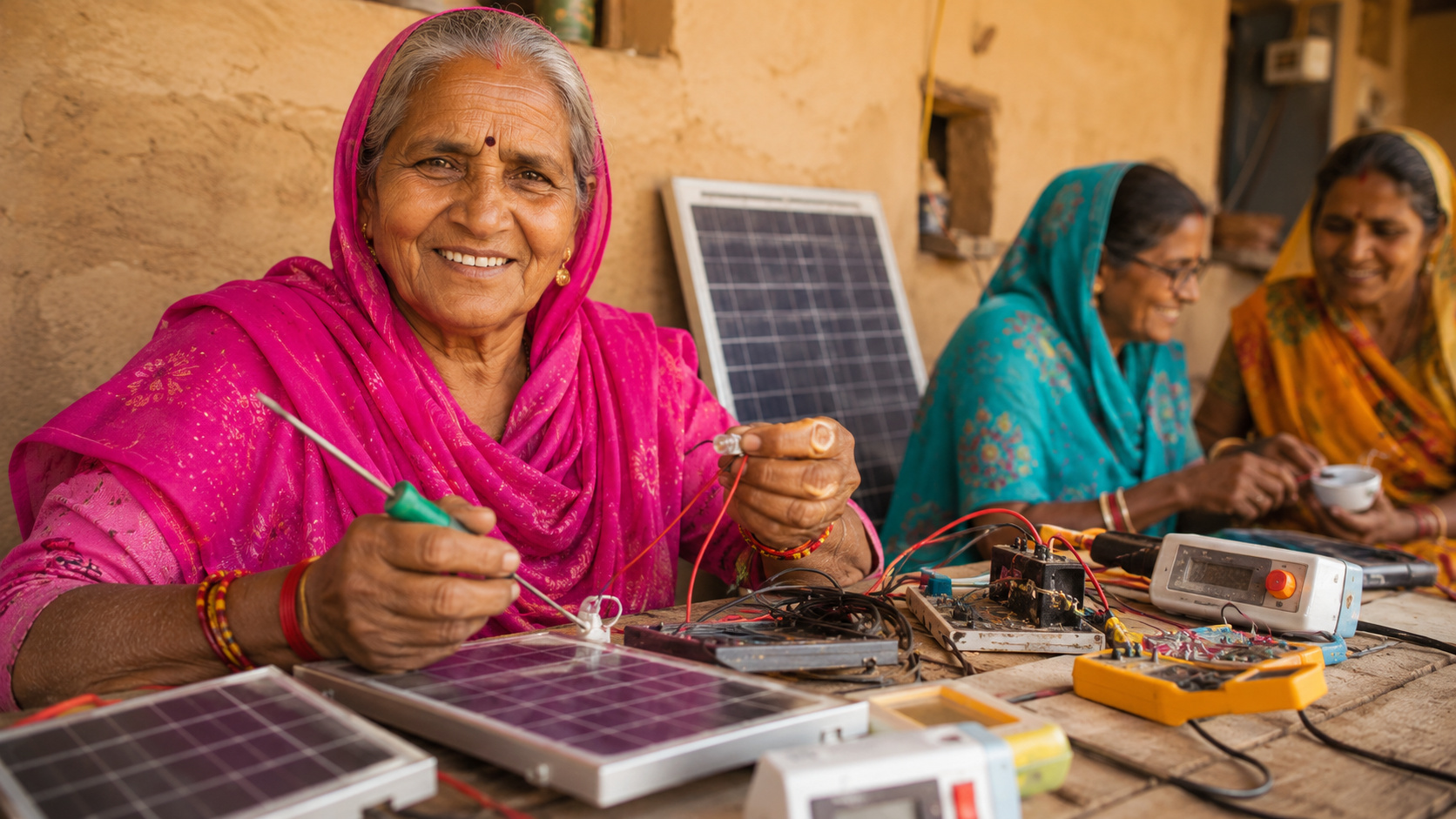
Illiterate or semi-literate grandmothers were trained to repair solar systems, open rural workshops, and light up homes that still depended on kerosene.
Large-Scale Electrolysis Plant Enters Crucial Phase
According to Transition Industries, the FEED study is considered the next step to enable the engineering, supplies, and future construction of the plant.
Through it, Siemens Energy and Techint Engineering and Construction are expected to deliver a standardized scope with ensured efficiency and reliability.
The phase also includes the definition of firm global prices, with a turnkey contract anticipated for the complete execution of the project.
The team considers this structure essential to ensure safety, standardization, and competitiveness of the project, which seeks to meet the most demanding international standards.
Expected Impact on Sustainable Hydrogen Production
The company projected the Pacífico Mexinol complex to start operations in 2029.
When operational, it should rank among the largest independent ultra-low carbon chemical plants in the world.
The unit is estimated to have the capacity to generate 4,000 kg of hydrogen per hour, as well as around 350,000 tons of green methanol per year.
The project also anticipates the production of 1.8 million tons of blue methanol per year, according to data from Transition Industries and the International Finance Corporation (IFC).
With this volume, the facility should meet a growing global demand for low environmental impact fuels and inputs.
International Partnership Strengthens the Advancement of the Energy Transition
The choice of Siemens Energy occurs because, therefore, the global technology company in energy has extensive experience in developing green hydrogen.
Additionally, Techint Engineering and Construction has over 75 years of experience.
The company adds its expertise and thus strengthens large industrial and infrastructure projects.
Consequently, for Rommel Gallo, CEO of Transition Industries, the cooperation represents, above all, a significant step towards innovation and sustainability.
Similarly, the agreement ensures standards of safety, efficiency, and furthermore, scalability.
Alejandro Maluf, president of Techint E&C in North America, emphasized that, therefore, the company is committed to applying all its technical know-how.
Finally, he also highlighted that, in this way, the project is one of the largest green hydrogen initiatives in the Americas.