Portuguese
  Spanish


Microsoft Bets on AI and Voice Commands in Windows and Considers the End of Mouse and Keyboard; Idea Divides Opinions and Could Transform the Way PCs Are Used.
Microsoft is one of the most aggressive companies in the race for artificial intelligence and, according to industry experts, may be paving the way for a historic change. With billions invested in recent months, the company envisions a future where the end of the keyboard and the end of the mouse are inevitable, replaced by voice commands and natural language interactions.
End of Mouse and Keyboard: How Microsoft Foresees This Transition
The company’s vision is based on the idea that the primary way to interact with Windows will become increasingly less visual and more conversational. Users will be able to converse with their computers as if they were talking to another person, using AI agents capable of “seeing, hearing, and responding” in real time. These intelligent assistants could even participate in meetings, corporate chats, and administrative tasks as if they were digital employees.
In this scenario, the end of the mouse and keyboard would not be immediate but gradual, with technology absorbing repetitive functions and freeing humans for more creative activities. Still, the idea meets resistance: many consider a radical change within just five years unlikely.
-
Scientists Convert Food Waste into Aviation Fuel, Successfully Test 50% Blend with Conventional Kerosene to Cut Emissions and Promote Sustainable Flights

-
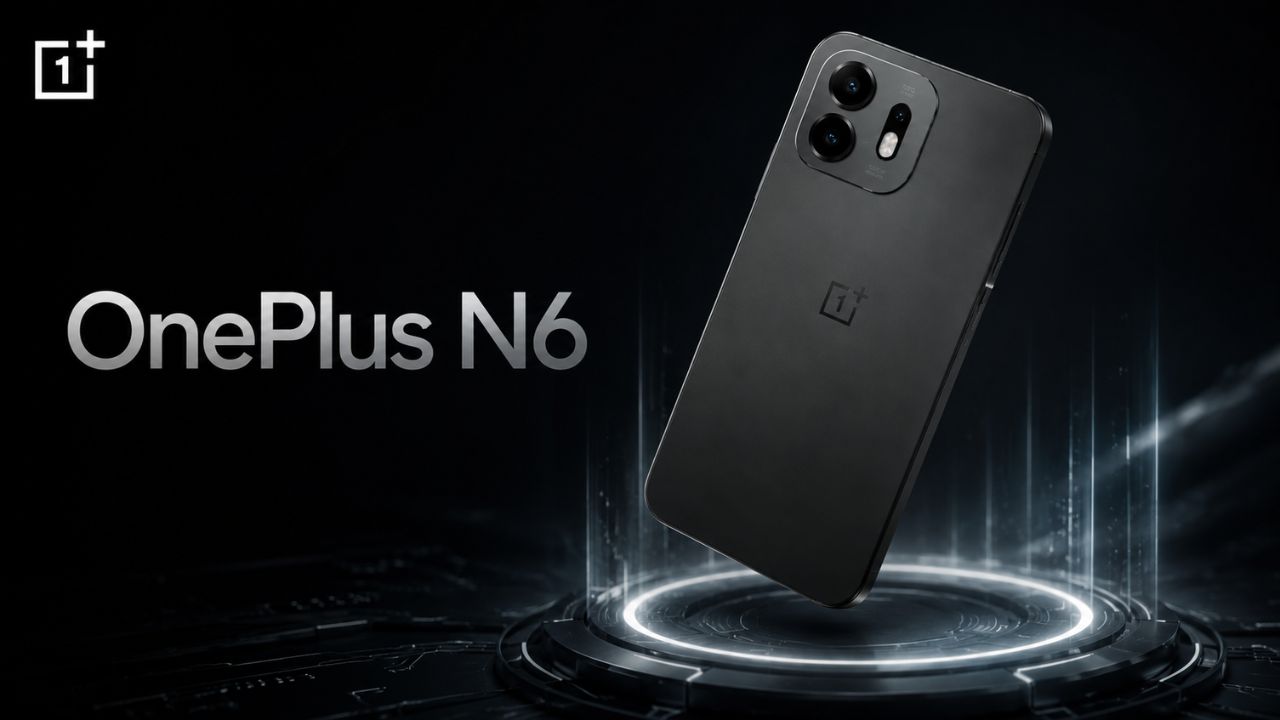
OnePlus N6 Smartphone to Launch in India with 8,000mAh Battery and 45W SuperVOOC Charging, Lasting Up to Three Days
-
Scientists Plan to Release Air Bubbles Underwater to Protect Antarctica’s “Doomsday Glacier” from Melting

-
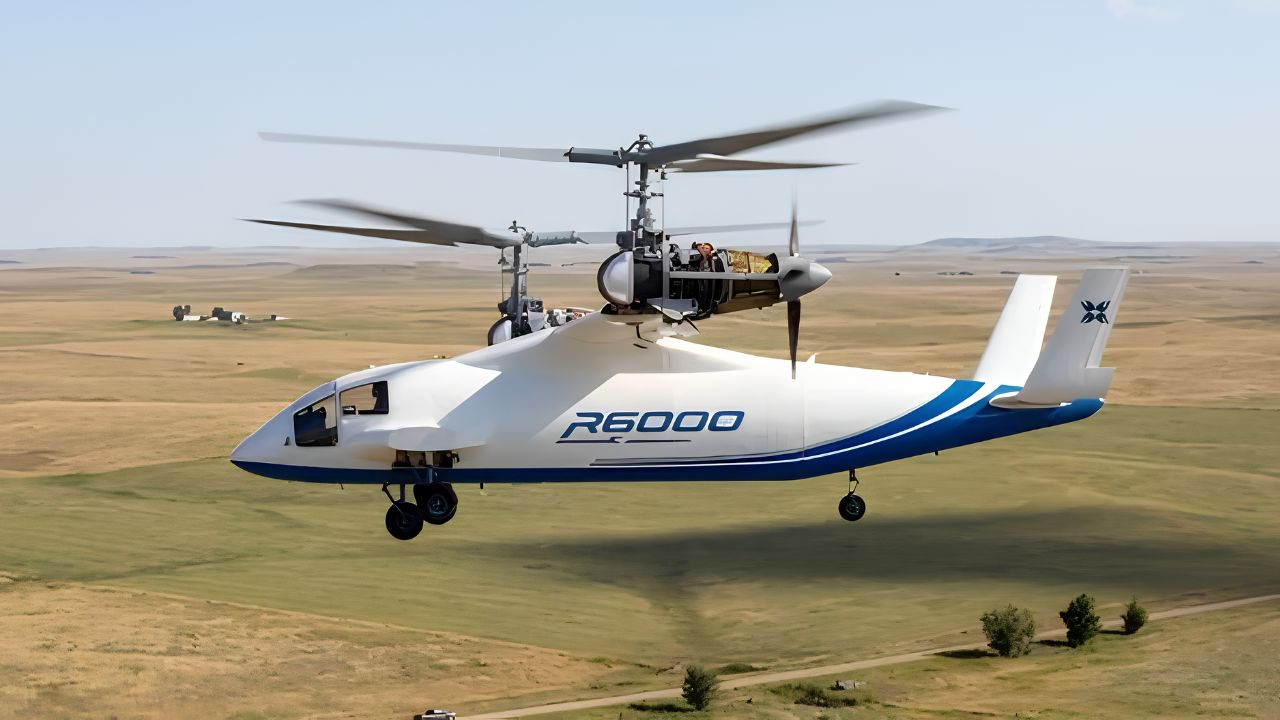
Chinese R6000 Drone Combines Airplane and Helicopter Features, Carries Up to 12 People for Multiple Missions


Fewer Clicks, More Conversations: Microsoft’s Bet
According to reports and presentations such as the video “Windows 2030 Vision,” Microsoft bets that voice and AI interactions will replace clicks and typing.
The inspiration comes from previous attempts, such as personal assistants Siri, Alexa, and Cortana, which never reached the expected level of adoption. Now, with advances in generative AI and multimodal models, the company believes that the right moment has finally arrived.
Microsoft and the Billion-Dollar Investments in AI
Just in recent months, the company has allocated over 12 billion euros to develop systems based on AI agents, integrating them into all its products. The goal is to create an ecosystem where users do not need to resort to traditional methods of interaction. Instead of opening menus or clicking on icons, a spoken or written instruction in natural language would suffice.
However, this strategy does not ignore skepticism. The official video presenting the proposal received more “dislikes” than “likes,” signaling that part of the public is still not convinced that abandoning the mouse and keyboard is viable or desirable.
The Cultural Challenge and Public Resistance
Even as technology advances, one of the biggest obstacles to declaring the end of the keyboard and the end of the mouse is users’ own adaptation. Keyboards and mice are established tools that have been around for decades, with proven ergonomics and efficiency.
Professionals who rely on precision, such as designers, programmers, and video editors, would hardly abandon these peripherals immediately.
Moreover, companies in the hardware and software sector also demonstrate caution, as the change would require a break from the current foundations of the industry. The risk is that Microsoft moves too quickly and faces resistance not only from consumers but also from strategic partners.
End of Mouse and Keyboard: A Futuristic or Exaggerated Vision?
This would not be the first time Microsoft has retreated after betting high on AI. Features like the Cortana assistant were discontinued due to low acceptance.
The risk now is to repeat this path, with futuristic promises that still have no backing in the everyday lives of most users.
Still, the company’s message is clear: the next generation of Windows should be shaped by artificial intelligence, with an emphasis on voice commands and intelligent assistants. Whether this will truly mean the end of traditional methods or just another layer of interaction remains to be seen in the coming years.
And you, do you believe that Microsoft is right in betting on the end of the mouse and keyboard, or do these peripherals still have a long future ahead?