Portuguese
  Spanish


BNDES Supports Financing of Solar Plant in Minas Gerais, Reinforcing the Role of the State in the Energy Transition and Boosting the Use of Clean Sources in Brazil.
First of all, financing for solar plants has gained prominence as one of the central strategies for the energy transition in Brazil. Indeed, in a scenario where the search for clean sources is intensifying, the investment announced by BNDES (National Bank for Economic and Social Development) reinforces, therefore, the importance of solar energy as a driver of sustainable development.
Recently, the bank released R$ 1 billion for the construction of a new solar complex in Minas Gerais, which is one of the states with the highest solar potential in the country. Additionally, Atlas Renewable Energy, a company that operates in renewable energy generation, will receive this funding to implement the Draco Solar Complex, located in the city of Arinos, in northwestern Minas Gerais.
With this, the project will have an installed capacity of 505 MWac, which could supply approximately 569,000 households. This project ranks among the largest solar complexes in Latin America.
-
Solar Chimney in Spain Harnessed Sun to Generate Electricity for 7 Years Without Burning Fuel

-
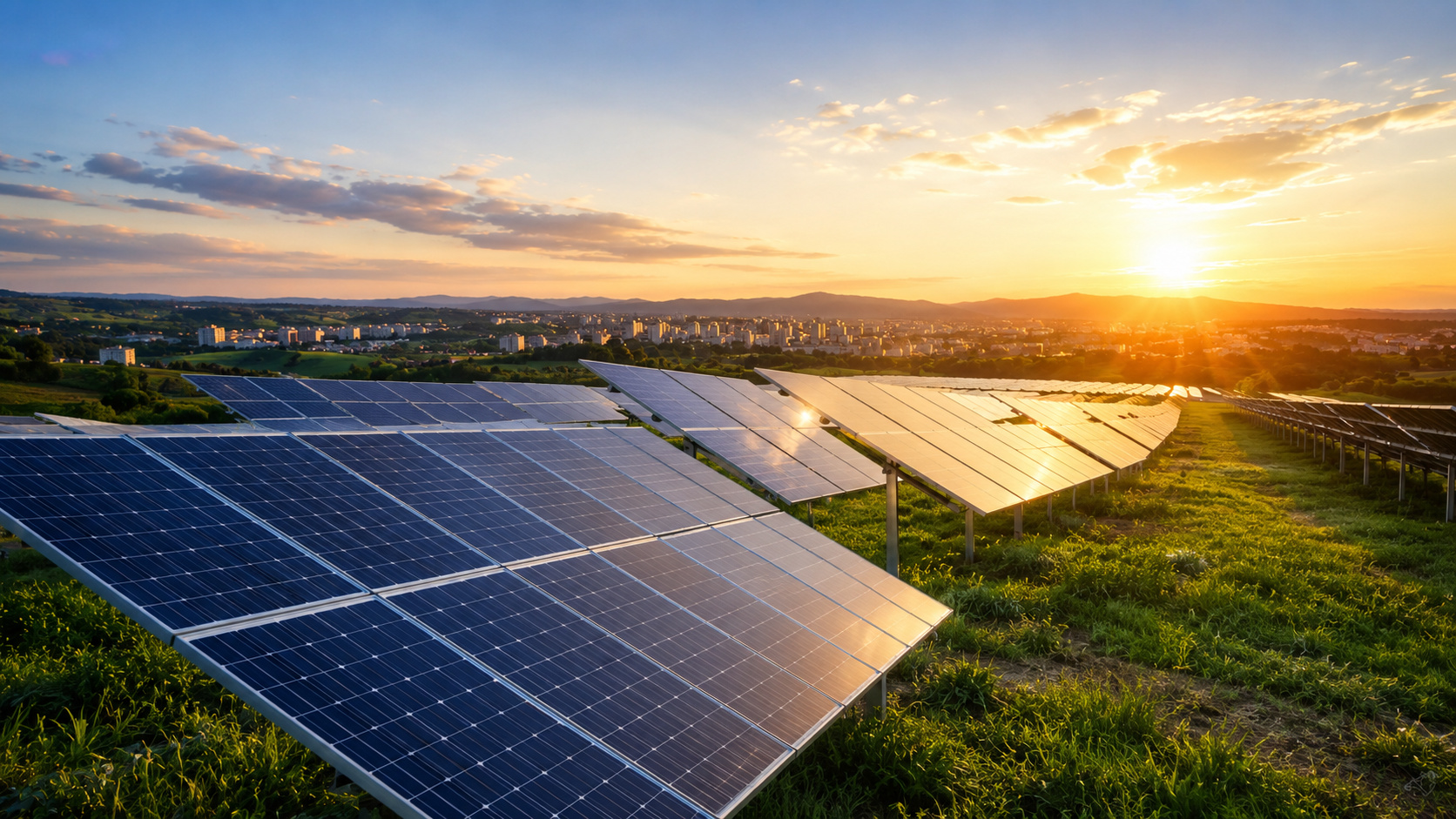
Solar energy reaches 55 GW, becoming the second largest power source in Brazil’s energy mix

-
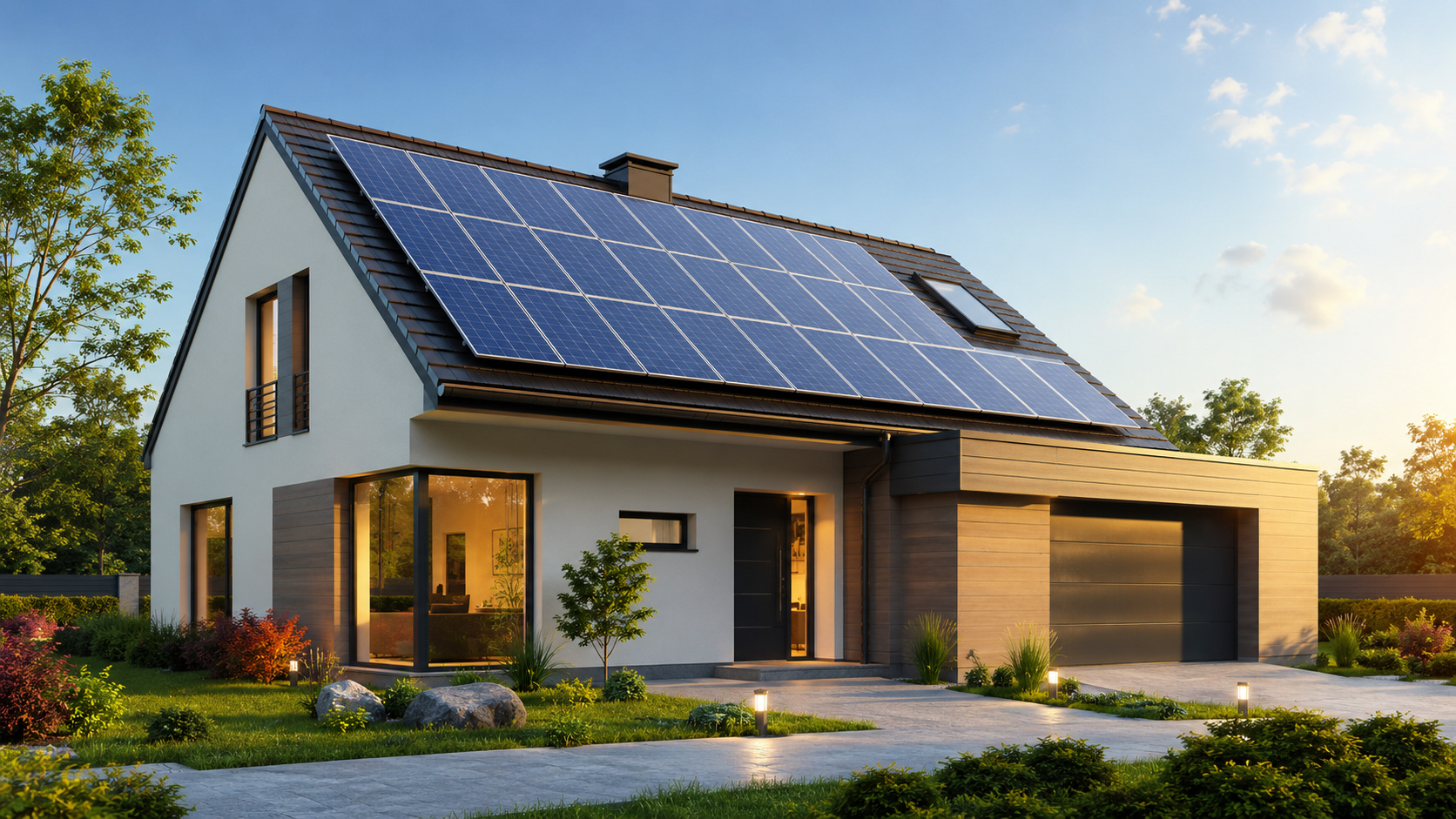
Solar energy can increase property value by up to 10% and become a selling point.
-
Solar and wind energy surpass natural gas for the first time in the world and accelerate energy revolution


Furthermore, the energy generated will integrate into the National Interconnected System (SIN), thus expanding access to clean and decentralized electricity.
The Evolution of Solar Energy in Brazil
Historically, the trajectory of solar energy in Brazil began to gain momentum in the 2010s, with the development of public policies and specific financing lines.
Although the country started producing electricity focusing on hydroelectric plants in the 20th century, the abundance of solar radiation has always represented a strategically under-explored resource.
It was only in 2012, when Aneel (National Electric Energy Agency) regulated distributed generation, that the solar energy market began to grow more consistently.
In addition, the creation of incentives, such as ICMS exemption and facilitated credit lines, helped popularize photovoltaic systems in homes and large-scale projects.
Today, Brazil undoubtedly ranks among the ten countries that invest the most in solar energy worldwide, according to data from the International Renewable Energy Agency (IRENA).
In this context, Minas Gerais stands out as the national leader in installed solar power, thanks to the combination of high solar incidence and state incentive policies. Therefore, municipalities in Minas Gerais, such as Janaúba, Pirapora, and Várzea da Palma, have become solar hubs, attracting national and foreign investors.
The Strategic Role of BNDES in Clean Energy
Indeed, financing for solar plants would not become feasible on a large scale without the support of public financial institutions. Thus, BNDES plays a fundamental role in this process.
Through programs like Finem (credit line for productive capacity projects) and the Climate Fund (linked to the Ministry of the Environment), the bank enables projects that promote the decarbonization of the Brazilian energy matrix.
Moreover, Aloizio Mercadante, president of BNDES, emphasizes that the bank’s activities align with the international green agenda. According to him, the planet is facing a climate emergency, which demands, therefore, concrete actions in the areas of energy, forest restoration, and industrial modernization with low carbon emissions.
Thus, the financing of initiatives like the Draco Solar Complex goes beyond financial support, as it constitutes a state policy aimed at the future.
The project also includes the construction of a 500 kV substation and a transmission line of approximately 15 km, which will connect the complex to the National Interconnected System (SIN). Consequently, this infrastructure ensures the efficient flow of the produced energy.
Therefore, BNDES’s actions demonstrate how public institutions can direct capital to strategic sectors, reducing market risks and encouraging the participation of private investors. Additionally, the bank promotes the inclusion of small and medium enterprises in the value chain of the renewable energy sector.
Local Development and Socioeconomic Benefits
The investment of R$ 1 billion will have a direct impact on the local economy. It is estimated that around 2,100 jobs will be created during the project’s implementation phase.
This way, the movement reaches not only the energy sector but also local productive chains, such as construction, transportation, and specialized technical services.
Moreover, projects like this promote a positive impact on municipal revenue, strengthen local infrastructure, and attract new investments to the region. At the same time, they contribute to the reduction of greenhouse gas emissions, promoting development with lower environmental impact.
Atlas Renewable Energy, responsible for the project, was founded in 2017 and already has a portfolio of 8.4 GW in renewable energy projects in Latin America, of which 3.6 GW are currently operational.
According to the company’s general director in Brazil, Fabio Bortoluzo, the Draco Solar Complex goes beyond providing clean energy. He emphasizes that the project symbolizes Atlas’s commitment to the national energy transition and reinforces its operations in the data center sector, which is highly dependent on reliable and low-carbon energy.
Furthermore, the initiative in Minas Gerais strengthens the company’s strategic presence in the country, which seeks to expand partnerships with large consumers and local governments.
Expansion of the Free Energy Market
On the other hand, the energy produced at the Draco Solar Complex will supply the free contracting environment (ACL), a model where large consumers, such as industries, negotiate directly with energy generators.
This environment is rapidly growing in Brazil, driven by companies’ interest in reducing costs and fulfilling environmental commitments.
This shift indicates a profound transformation in the Brazilian electricity sector. Previously dominated by the regulated market logic, the sector now opens space for direct, flexible, and sustainable agreements.
Therefore, financing for solar plants in this context becomes a strategic tool to ensure access to clean energy for large consumers — and, eventually, for smaller consumers.
Additionally, advancements in digital technology stimulate the growth of ACL. Tools for real-time monitoring, electronic contracts, and consumption management platforms facilitate access to renewable energy. This enhances the competitiveness of solar energy compared to other sources, such as thermal and hydroelectric.
Diversification of the Matrix and Energy Policy
Currently, Brazil is going through a decisive moment in the transition to a cleaner energy matrix. Although the country depends mainly on renewable hydraulic sources, prolonged droughts and climate changes impose growing challenges.
In this context, financing solar plants represents an essential step to diversify energy sources, increase the resilience of the electricity system, and reduce dependence on water resources.
Additionally, solar energy, due to its modularity and scalability, allows installation in various regions, including remote areas with difficult access to traditional electricity.
Complementarily, technological progress in the photovoltaic sector contributes to cost reduction, making projects increasingly competitive. Solar panels show greater efficiency, durability, and adaptation to climatic variations, expanding their use in urban, rural, and industrial environments.
Finally, BNDES reinforces this strategy by directing public resources to sectors that promote sustainable growth, innovation, and social inclusion. By supporting projects like the Draco Solar Complex, the bank invests in a new logic of economic development.
Clean Energy as a Pathway to the Future
In summary, the announcement of financing a solar plant in Minas Gerais marks a significant advancement in the expansion of renewable energy in Brazil.
With the support of BNDES and the experience of Atlas Renewable Energy, the project combines clean generation, local development, and technological innovation.
This initiative demonstrates that Brazil’s energy future depends on the strategic decisions made today. By investing in sustainable sources, the country strengthens its position on the international stage, attracts investments, and moves toward a low-carbon economy.
Minas Gerais, thanks to its favorable geography and solar vocation, remains at the forefront of this transformation.