






 Portuguese
  Spanish
  2 min of reading


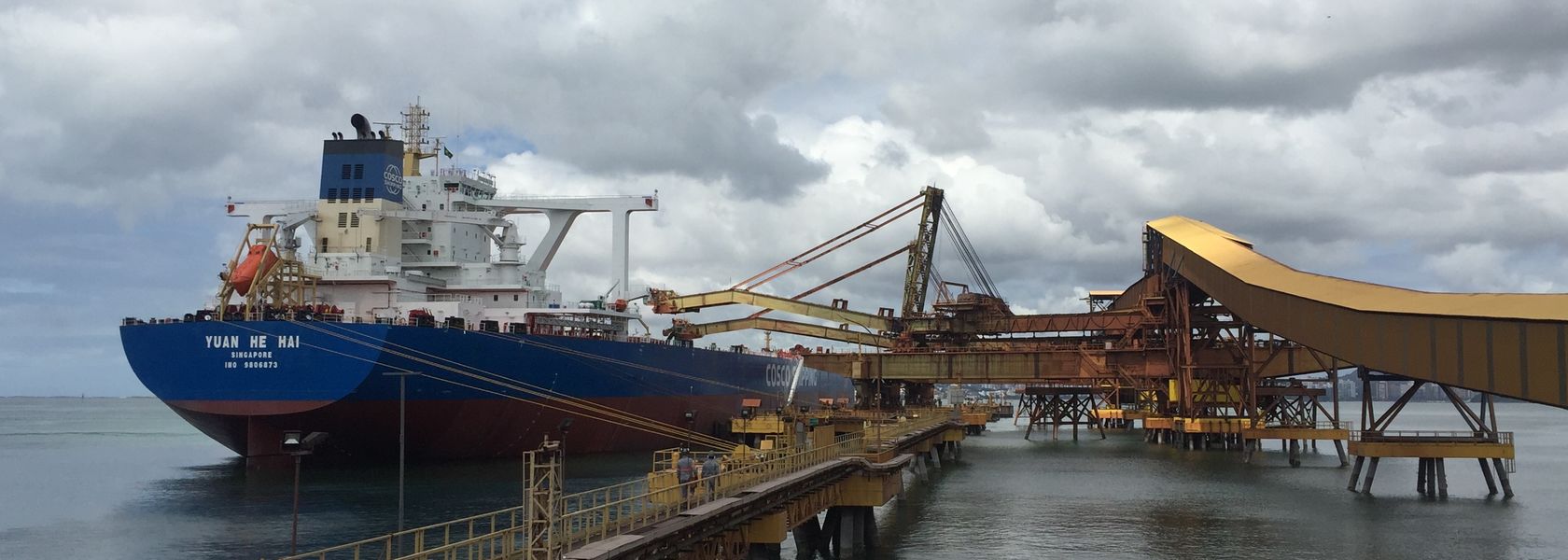
Vale Decides to Abandon Loads Transported by Converted Ships
On Monday (14), Vale announced that it completed the last unloading of loads transported on converted ships, following a previous decision to fully abandon the use of these vessels for transportation. The unloading of the loads via these converted ships took place on Sunday (13).
Read Also
Converted Ships for Cargo by Vale Are the Result of Converting Large Oil Tankers
The ships used for unloading cargo are the result of conversions of large oil tanker ships (VLCCs), single-hull to VLOCs, for loading cargoes such as iron ore, have all been eliminated or replaced in Vale’s operations, “either due to early invalidation or due to changes in contracts,” the State-Owned Vale explained in a statement.
This change occurred after a new risk management approach by Vale in January of this year, Vale added.
-
Bothered by millions of bricks discarded every year in Norway, a company cuts old pieces into thin slices, secures them with a metal system, and transforms demolition into a new 1,800 m² facade.

-
While cigarette butts appear on sidewalks, beaches, and sewers, researchers tested the waste in clay bricks and calculated a 10% savings in burning with just 1% in the mixture.
-
Mother of two who couldn’t leave her village in India takes a 20-day masonry course, starts a company with other women, receives a large production order, and changes her financial situation.
-
Instead of plastering the wall, Argentine architects left ordinary bricks exposed, without traditional mortar, without finishes, without paint, and created a perforated pavilion that looks like an art installation.




The mining company Vale also states that it values its competitiveness in freight transport “through long-term contracts with charterers for the use of more efficient and modern vessels, such as Valemax and Guaibamax.”
Vale Adopts Home Office Model (Flexible Office)
Vale has chosen to adopt the home office model, nicknamed flexible office, for its global operations in the post-pandemic period. COVID-19 placed about 22% of the company’s workforce, around 74,000 people, into remote work.
The idea is that the home office will be established definitively for this group, while allowing for a rotation between in-person meetings at offices or in one of the collaborative spaces, or hubs, that Vale aims to create by mid-March 2021. Operational roles at the mines will continue to be in-person, which occurred even during the pandemic, with mining classified as an essential operation by the government.





Be the first to react!