Portuguese
  Spanish


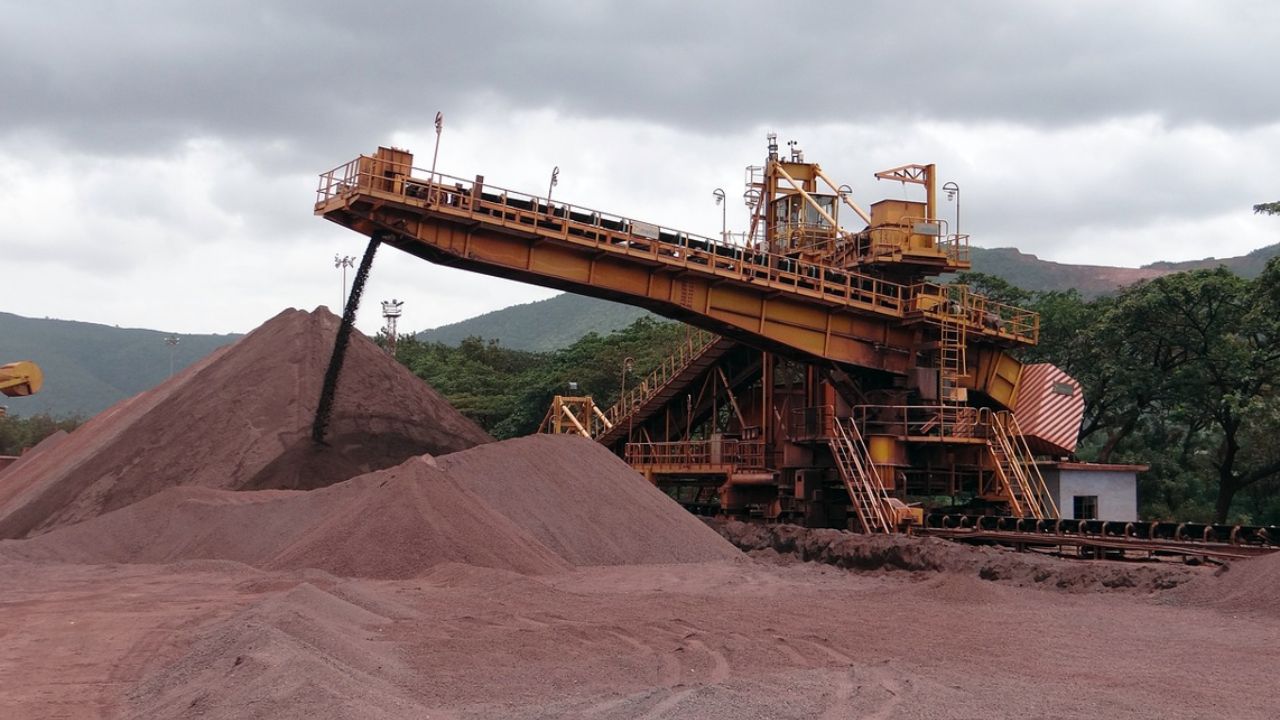

US Tariffs, China’s Retaliation, and Trade Tensions Crush Iron Ore! With the Reopening of Chinese Markets and Logistical Issues in Australia, Investors Are on Alert as Prices Plummet to 801 Yuan per Ton.
The iron ore market is slipping, and the reason? The old trade fight between China and the United States. With the return of Chinese markets after the Lunar New Year holiday, investors are tense, watching new tariffs and the impact of it all on demand. But is this drop just a scare, or is more coming? Let’s understand what’s happening.
The Trade War Is Back with a Vengeance and Iron Ore Felt the Blow
It seems like a soap opera, but the dispute between the two largest economies in the world shows no signs of relief. Now, the US has imposed an extra 10% tariff on all Chinese imports. Of course, China wasn’t going to take it lying down: it retaliated in kind, taxing American products, including coal, an essential ingredient for steel production.
With this back-and-forth of tariffs, investors hit the brakes. The May iron ore contract on the Dalian Exchange closed down 0.99%, worth 801 yuan (about $110) per ton. And why? Simple: if steel demand falls, iron ore consumption will plummet as well. The market does not like uncertainty, and this trade fight is fueling the fire.
-
China could reduce iron ore imports from 80% to 50% of consumption by 2030, while its share in global steel production falls from 52% to 46%, in a shift that could reshape the global market, says CMRG.

-
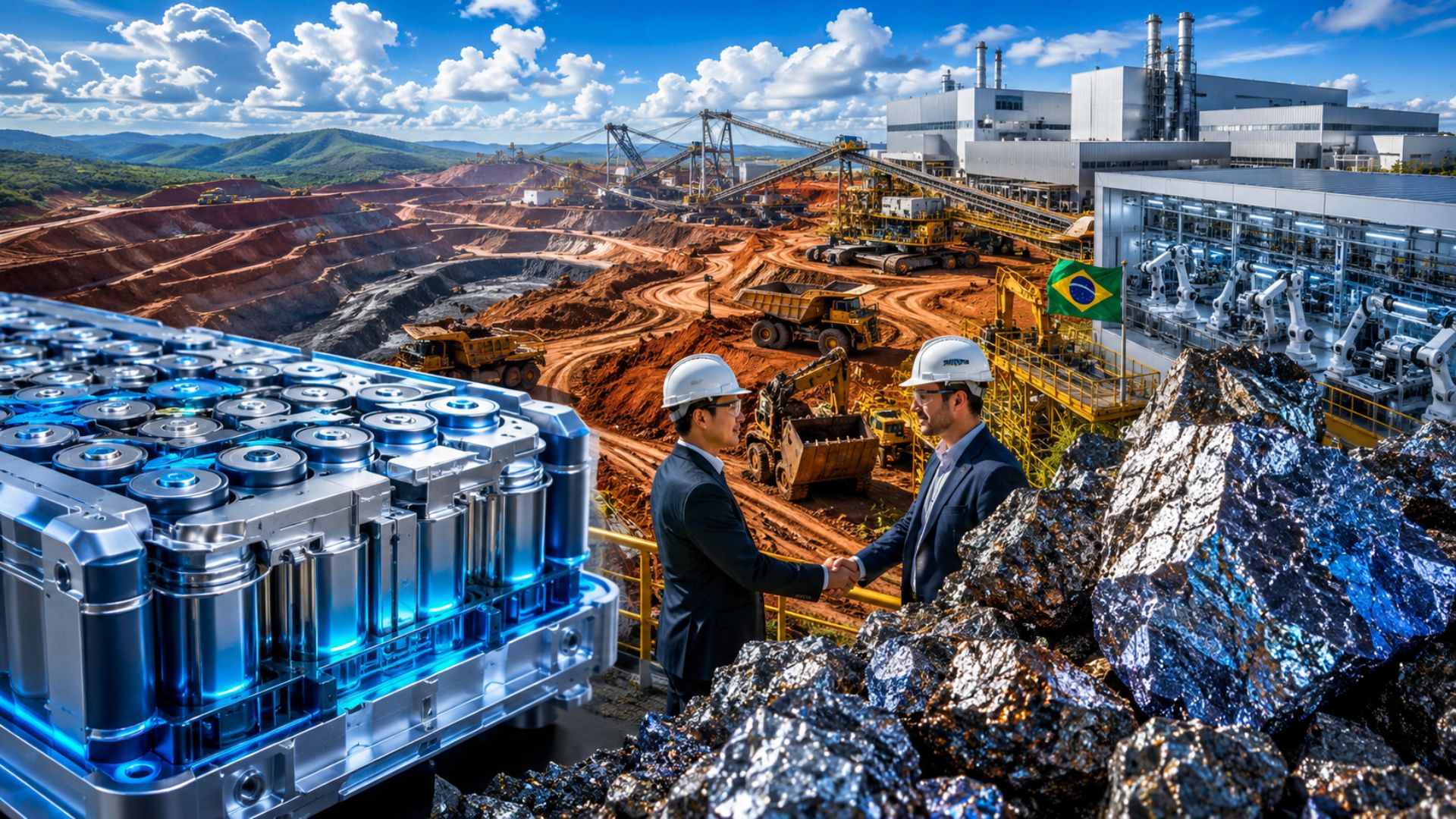
Brazil is sitting on one of the largest lithium reserves in the world, in the Jequitinhonha Valley, but national mining has almost become an appendage of China: 97% of the metal’s export goes to a single country, which also dominates refining.
-
Iron ore falls to 762 yuan in China as real estate sales decline and steel production hits lowest level since 2018
-
Brazil has minerals, clean energy, and a waiting market, but it could miss a billion-dollar opportunity if it doesn’t speed up the race for green minerals, while the steel industry seeks to reduce emissions.


China Is Back from Holiday and Reality Has Hit

According to InfoMoney, between January 28 and February 4, Chinese markets were closed to celebrate the Lunar New Year. Generally, after this break, there’s that optimism and a strong recovery in trading. However, this time, people opened their eyes and saw a very different scenario, filled with new tariffs and market uncertainties.
ANZ analysts had already predicted: when the Chinese stock market reopened, market sentiment would suffer due to this avalanche of tariffs. And it was exactly that. As soon as trading resumed, pessimism took over and iron ore felt the blow.
Issues in Australia: Temporary Relief?
As if the trade tension wasn’t enough, the weather decided to lend a hand for iron ore to hold its decline. Rio Tinto, a giant in the sector, began pulling ships from two ports in Western Australia due to the threat of two tropical cyclones. In other words, less iron ore leaving Australia means tighter supply, which could prevent an even bigger drop in prices.
Not to mention that in January, Rio Tinto had already warned that heavy rains disrupted their rail operations. Now, with more issues on the horizon, shipments may be compromised in the first quarter. Less iron ore available in the market could give prices a breather, but that doesn’t solve the tariff issue.
Global Steel Production: Who Is in the Game and Who Is Losing Ground?
Numbers from the World Steel Association show that global steel production is quite divided:
- China: -1.7%
- Japan: -3.4%
- US: -2.4%
- Russia: -7.0%
- South Korea: -4.7%
- India: +6.3%
- Brazil: +5.3%
- Germany: +5.2%
- Turkey: +9.4%
While China, Japan, and the US are slowing down, India is growing at full speed, increasing its steel production. Brazil also picked up the pace, indicating that the steel market is undergoing a change in landscape.
With a 5.3% increase in steel production, Brazil is establishing itself as an important player in the global market. But can it maintain this pace? It largely depends on the external scenario. With the US and China fighting, any change could affect demand and, consequently, the sector here in Brazil.
And Now, Where Is Iron Ore Heading?
The truth is that no one has a crystal ball, but one thing is certain: as long as the US and China continue this tug-of-war, the iron ore market will remain unstable. If China significantly slows down in steel production, the impact could be even greater.
For those keeping an eye on this market, the secret is to stay tuned to trade policies and the movements of the main players in the sector. Expanding markets and reducing dependence on China can be a smart strategy, and Brazil, like India, has the potential to grow in this scenario.