






 Portuguese
  Spanish
  3 min of reading


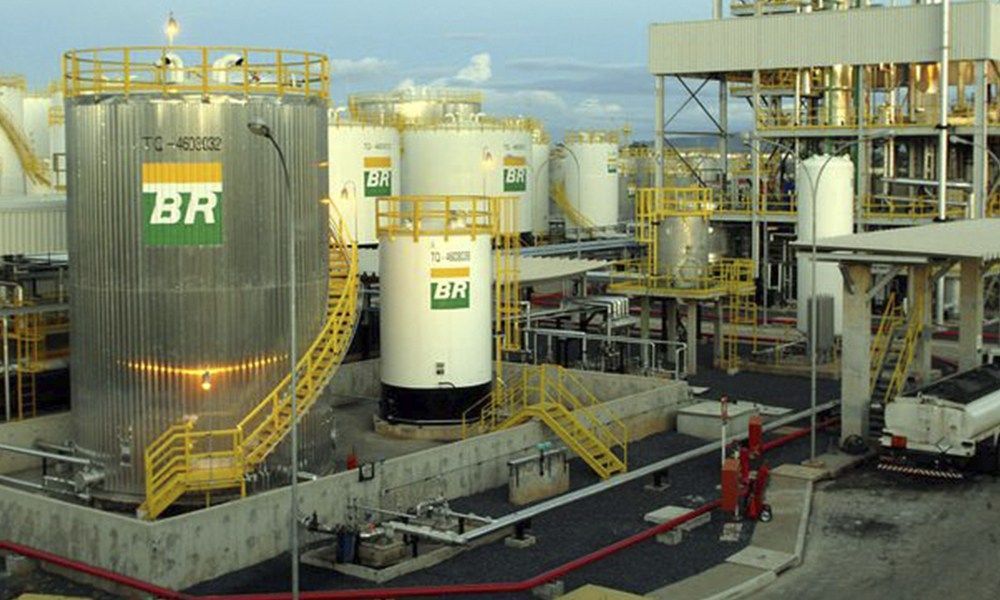
The Ministry of Energy Recommended Ending Biodiesel Purchase Auctions After Concluding That the Market Is Mature Enough to Allow Contracts to Be Negotiated Freely Between Distributors and Producers
The ministry’s proposal regarding biodiesel would allow foreign suppliers to participate for the first time, but with a market cap of 20%. The ministry stated that the new regulation allowing direct sales between producers and distributors should come into effect by January 1, 2022.
Also Read
- Activities in the Construction Sector Should Be Suspended, Says the Public Labor Ministry
- Sugar and Ethanol Plant Opens Job Vacancies for Welder, Boiler Maker, Industrial Mechanic, Operator, and More
- Resume Registration at Sugar and Ethanol Plant for Job Openings in Roles Such as Driver, Operator, Analyst, and More
Ministry of Energy Claims It Has Been Working to Ensure Biodiesel Supplies
In a 145-page report, the ministry stated that the rigidity of the current auction model, which has struggled this year to ensure sufficient biodiesel supplies to meet consumer demand, increases costs for consumers.
Brazil began its regular biodiesel acquisition auctions in 2008. At that time, the government aimed to ensure supply in line with the introduction and gradual increase of the blending mandate. Most of Brazil’s biodiesel is derived from domestic soybeans.
-
Bank of Japan raises interest rates to 1%, reaching the highest level in over three decades

-
ANP halts LPG reform, and Sindigás sees technical caution as a decisive point for safety, investments, and the future of the cylinder in Brazil.

-
Oil spill in the Caribbean raises environmental alert and increases tension between Venezuela and Trinidad and Tobago

-
More than 40 Petrobras platforms enter the decommissioning queue and open up a billion-dollar industry in Brazil for cranes, special ships, underwater cutting, and offshore recycling.




About the Brazilian Biodiesel Industry
The biodiesel industry has installed capacity 33% above market demand under the current 12% mandate, the report argued, adding that the mandate is only expected to increase to 15% in March 2023, reducing the risk of supply disruptions.
The existing legislation on biodiesel, which requires that 80% of the raw material for biodiesel comes from farms with a “social seal,” may continue with the new model. This would mean that producers without a social seal could compete with imported ones.
According to the ministry’s proposal, the hydrocarbons regulator ANP would sign the contracts. The Brazilian Association of Fuel Distributors Brasilcom told Argus that it opposes the limit of 20 units on imports, arguing that it would hinder competition.
This year, the ANP was forced to temporarily reduce the mandate from 12% to 10% on two occasions, once from June 16 to 21 and again in September and October, due to insufficient supply at the auctions. Brazil already allows direct sales of anhydrous ethanol between plants and fuel distributors. Brazil currently requires a blend of 27% biofuel in all commercial gasoline.
Flexibility for the Biodiesel Market
The biodiesel market is expected to develop similarly, with the introduction of greater transactional flexibility between producers and distributors, the report concluded. The ministry’s recommendations arose from extensive public hearings and trends in the domestic market.
The Brazilian state-owned company Petrobras, a traditional dominant market player and manager of biodiesel auctions, is selling half of its refining capacity, a process that requires a more open regulatory framework.






Be the first to react!