






 Portuguese
  Spanish




There Are 49 Bids for Private Railroads in Progress, Which Involves More Than R$ 165 Billion in Investments, Reports the Minister of Infrastructure
The Ministry of Infrastructure announced, on this Monday (20), updates on the numbers of private railroads. So far, privatization includes 49 projects and a budget of R$ 165.8 billion invested. According to the minister of the ministry, Tarcísio de Freitas, the concessions represent 12,900 kilometers of new tracks.
See Also:
- Working for the Future Every Day, Equatorial Energia Opens the First Completely Free Charging Station for Electric Cars in Maranhão; Filling the Gas Tank of a Combustion Car Costs Around R$ 250.00
- With the Increase in Demand for Renewable Fuels and Environmentally Friendly Vehicles, Major Brands Are Seeking Alternative Energy Sources, Including Synthetic Gasoline
- Hiring in the Oil and Gas Sector Grows More Than 400% and 335,000 Positions Are Expected to Be Opened by 2030
- Solar Energy Financing: High Demand for Financing the Installation of Solar Panels Gains New Credit Lines
The Federal Government has already authorized the construction of nine of the 49 private railroad projects, anticipating more than R$ 50 billion in investments. The requests are based on the new Legal Framework for Railroads, which allows for the construction of new tracks to be carried out solely through the private initiative.
“Not bad for a country that in 150 years built 28,000 km of railroads, and practically half of them operational”, said Tarcísio.
-
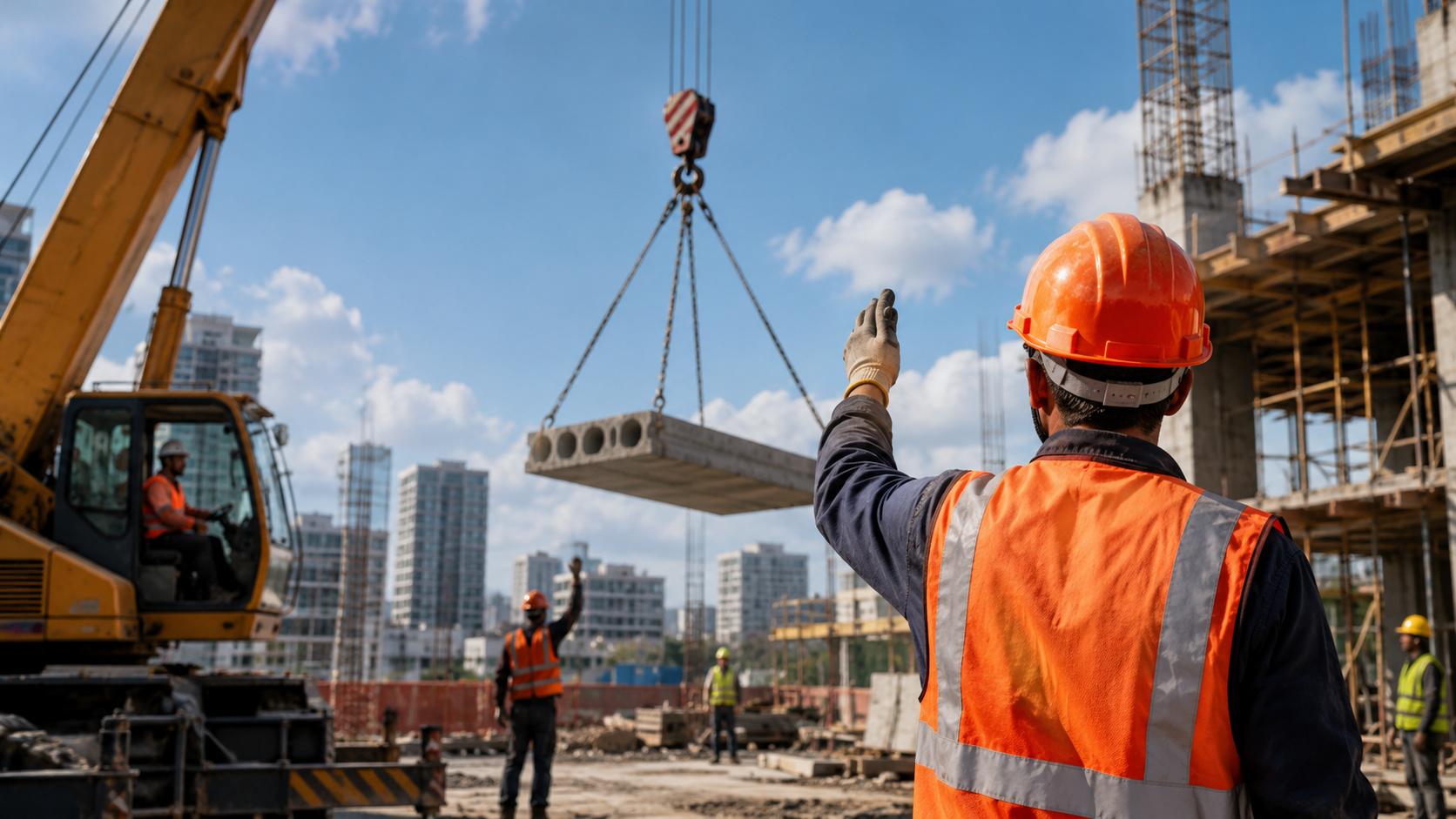
Why can the crane operator only obey the correct signalman on the construction site: among dozens of workers, a hand raised by the wrong person can confuse the maneuver and turn a load of tons into an immediate risk.

-
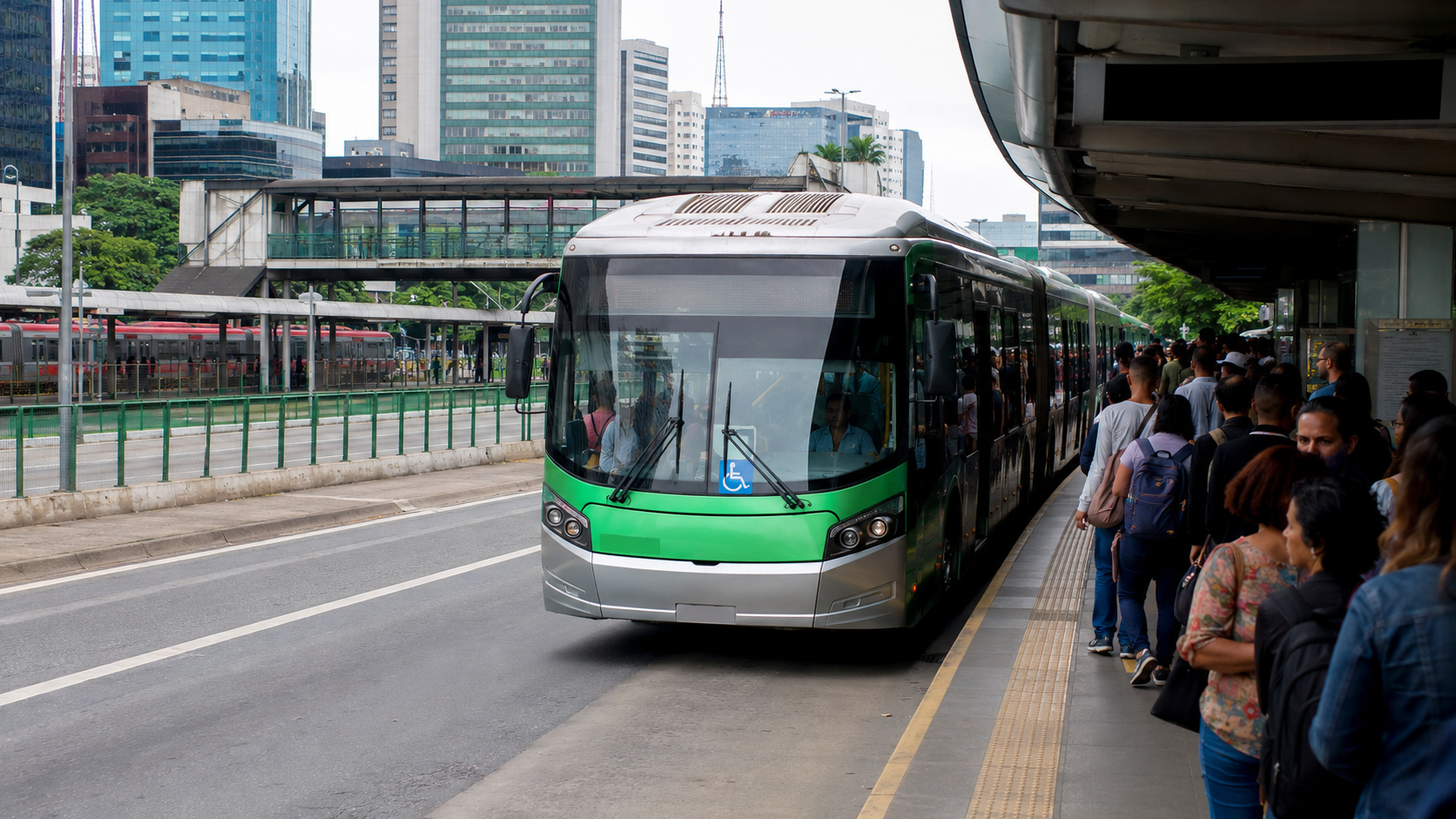
What changes with the new public transportation rules that can reduce pressure on fares and pave the way for zero fare in Brazil?
-
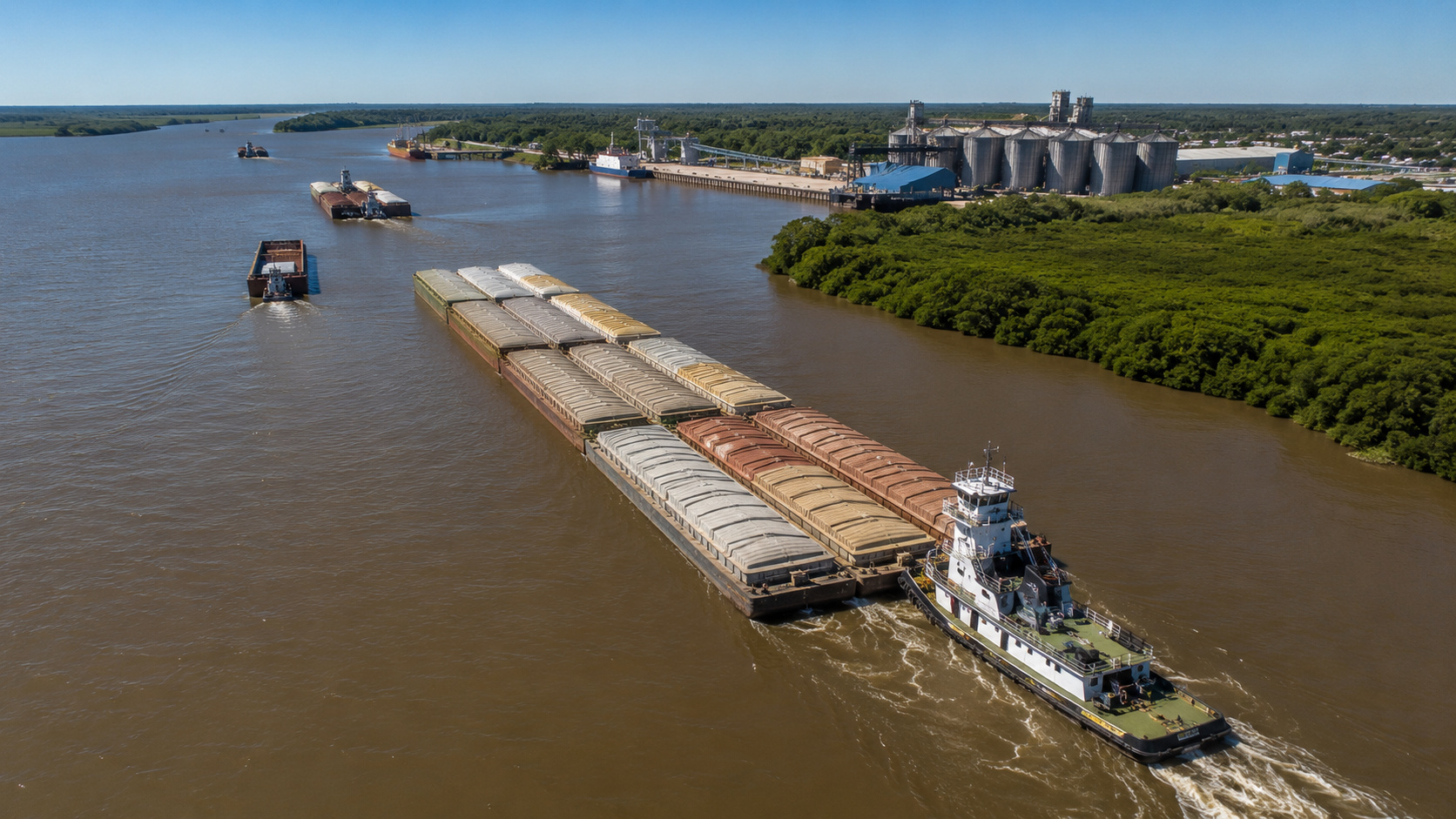
Argentina confirms Belgian giant to lead strategic Paraná River waterway and promises to reduce logistical costs on one of South America’s most important routes
-
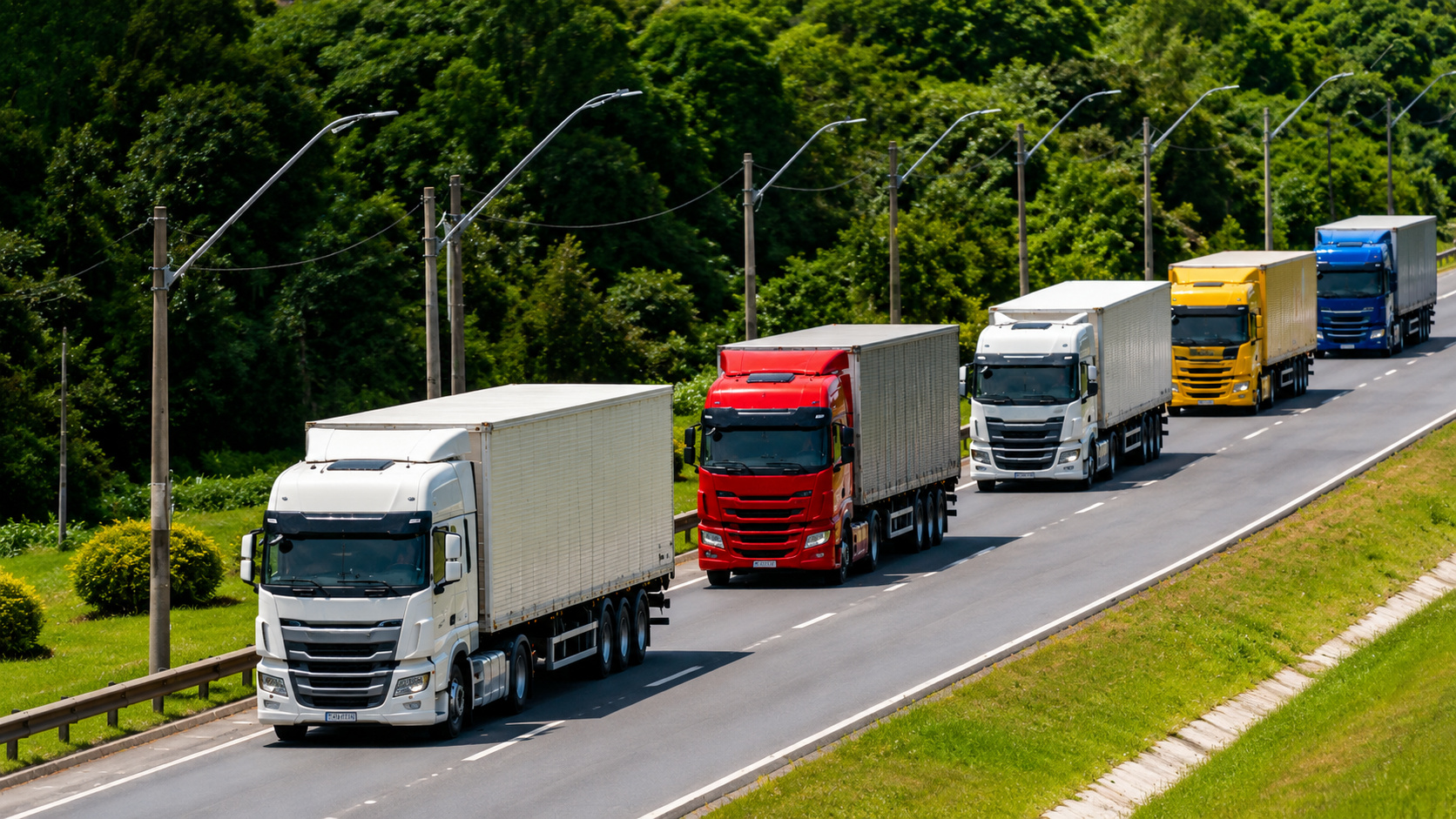
MBRF surprises the logistics sector by demonstrating how Artificial Intelligence can directly influence deliveries throughout Brazil by reorganizing distribution routes in seconds, optimizing fleet usage, reducing logistics costs, and speeding up product arrivals even in the face of unforeseen road incidents.
With the new project, the construction of railroads will return to the patterns of the 19th century, when they were built by the private sector and had their first major “boom.” With new networks, it is expected that cargo transport by rail will reach more than 40% by 2035, reducing logistics costs by about 35%, according to the Minister of Infrastructure, Tarcísio de Freitas.
The New Legal Framework for Railroads
The new Legal Framework for Railroads was implemented through a provisional measure in August, allowing private companies to build new railway networks without bidding. The framework also provides for free competition and freedom of prices, without interference from the Federal Government regarding the tariffs charged for transportation.
“We are now seeing the beginning of the revolution that will make us a rail country once again,” said the National Secretary of Land Transport, Marcello Costa.
“There is no project in the transportation infrastructure area more transformative than this one,” said the Minister of Infrastructure, Tarcísio de Freitas.
The model already prevails in countries like the United States and Canada and was designed to allow companies to meet their own demands, without relying on third parties for that.
The Approved Railroad Bill Is the Most Important Project in Contemporary Brazilian History: The Transportation Sector Will No Longer Be So Dependent on Road Logistics
There has been much discussion about the Railroad Bill in recent days. No wonder. The proposal, long before being approved, was already considered the most important logistical project in contemporary Brazilian history.
The reasons for its importance are numerous. Basically, it aims to modernize the Brazilian railway system, boosting the economy with improvements in the logistics chain that involves the distribution of goods, especially from agribusiness.
Another essence of this improvement is that the private initiative will have more freedom to invest in the construction of new railroads and renovations of those currently out of use due to lack of investment or completion. Check out this article in full by clicking here.







