






 Portuguese
  Spanish


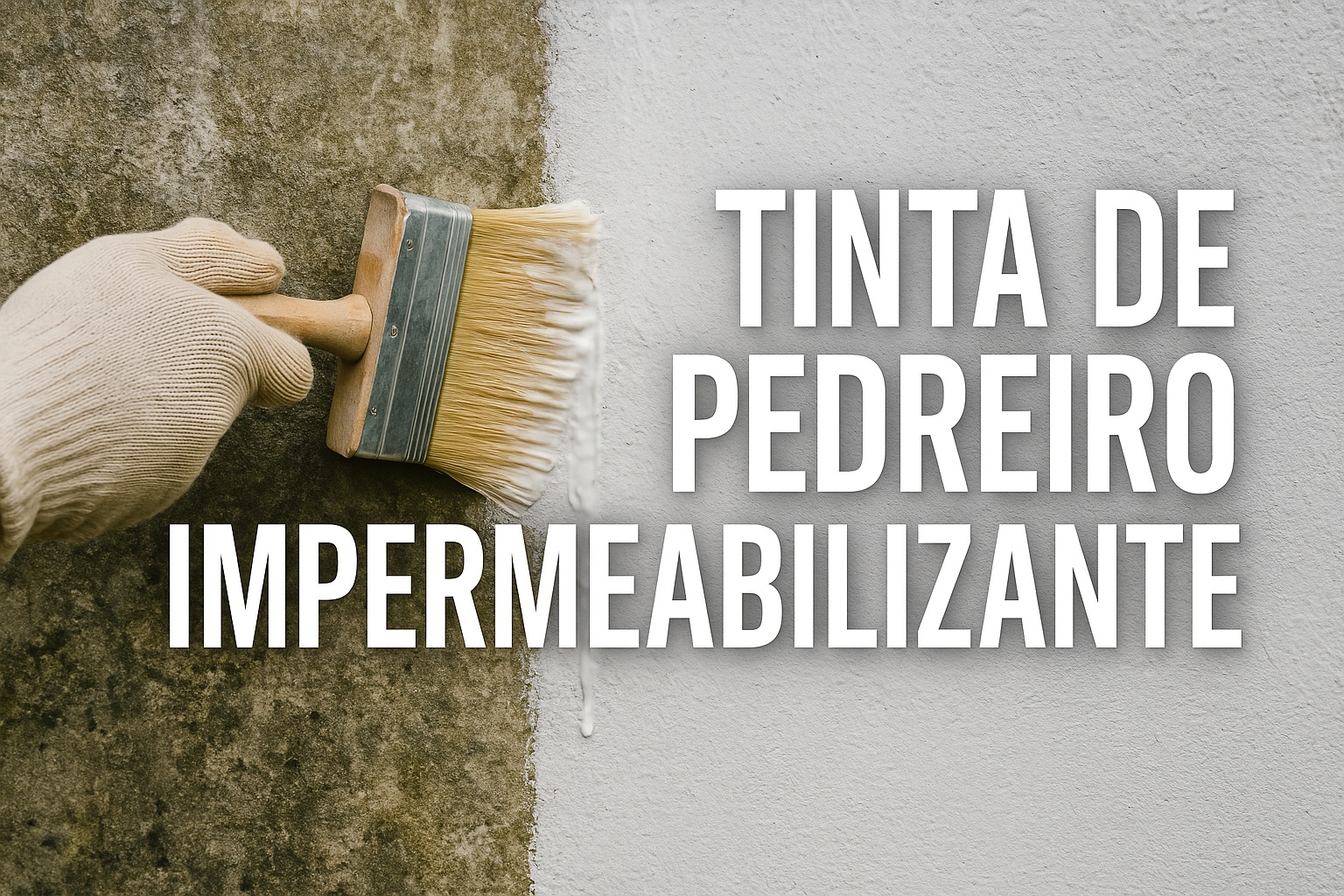


Water, Detergent, and Hydrated Lime Mixture Creates “Masonry Paint” That Seals Surfaces, Reduces Mold, and Renews Old Walls on First Application.
The so-called “masonry paint” is a simple mixture of water, detergent, and hydrated lime — that has regained popularity in residential construction, small renovations, and revitalization of exterior walls. The recipe, used for decades in rural neighborhoods, small towns, and construction sites, has been rediscovered in 2024 and 2025 due to the rising cost of acrylic paints, the need for cheaper solutions, and the widespread dissemination of technical tests carried out by masons, engineers, and professional applicators.
The basis of the technique is completely real: hydrated lime, combined with a surfactant (detergent), forms a porous yet adherent and resistant mineral coating, capable of sealing surfaces, reducing mold, mitigating superficial infiltrations, and improving the appearance of worn walls with the first coat.
This is not a makeshift DIY trick: the “masonry paint” is a direct descendant of the ancient lime washes, renders, and mineral paints used for over a century in Brazil, especially in masonry constructions and outdoor areas.
-
Engineering Feat in Brazil: 6.4 km Tunnel and Powerful Pumps Overcome 200-Meter Elevation to Save São Paulo’s Cantareira Water System

-
Engineering Students Build Off-Grid Tiny Home with Sustainable Features and Offer Free DIY Guide
-
Historic Brazilian Championship Stadium Demolished for New Supermarket and Shopping Center Development

-
Workers excavate one of the world’s longest railway tunnels beneath the Alps between France and Italy, stretching nearly 60 km, 600 meters deep, with an investment of 11 billion euros.


The Technical Composition That Makes the Mixture So Effective
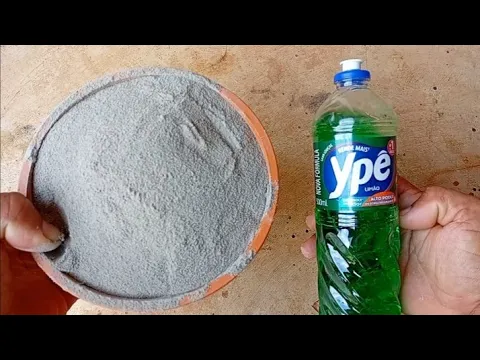

The traditional mixture uses three elements:
- Hydrated Lime (mineral base that acts as a binder and sealer);
- Water (vehicle for spreading and penetration into the substrate);
- Neutral Detergent (acts as a plasticizer and reduces surface tension).
Hydrated lime is responsible for:
- high adhesion on porous surfaces;
- natural antimicrobial action, reducing mold and fungi;
- sealing microcracks;
- uniform matte finish;
- high durability when applied correctly.
The detergent acts as:
- plasticizer for the solution;
- agent that improves spreading;
- facilitator of the mixture’s penetration into old renders;
- reducer of stains and marks during application.
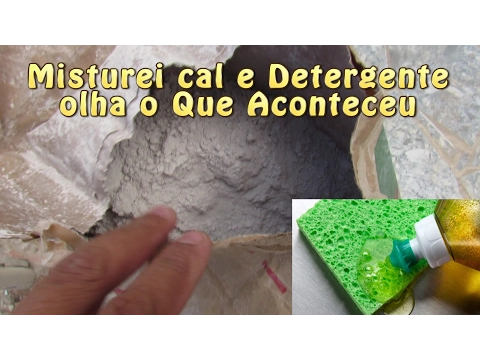
The result is a kind of mineral paint, with sealing and coating characteristics, capable of revitalizing old walls without the immediate need for acrylic paint.
Proportion Used by Professionals and Behavior of the Mixture on Site
The most commonly used proportion in residential works is:
- 1 part of hydrated lime;
- 2 to 3 parts of water;
- 1 to 2 tablespoons of detergent per liter of mixture.
This formula creates a dense, white liquid that is easy to apply with a brush, roller, or spray.
Professionals highlight the following characteristics:
- covers stains with just one application;
- dries in 4 to 8 hours, depending on the ventilation;
- can receive more coats for final painting effect;
- creates an excellent base for acrylic paint, reducing overall consumption;
- acts as a cheap sealer for new and old renders.
On porous and worn walls, the first application usually seems to “disappear,” being absorbed quickly — just like professional sealers do.
Why Does the Mixture Control Mold and Surface Moisture?
Hydrated lime has extremely alkaline pH, a characteristic capable of inhibiting:
- mold,
- fungi,
- dark stains,
- growth of microorganisms.
This behavior explains why ancient lime washes lasted for years even in outdoor areas. Although it does not replace professional waterproofing in serious cases, the “masonry paint” helps to:
- reduce signs of surface moisture;
- prevent mold proliferation;
- stabilize deteriorated renders.
Practical Application: Where It Works and Where It Should Not Be Used
The Technique Works Very Well In:
- porous exterior walls;
- old crumbling renders;
- internal walls without active infiltration;
- surfaces that need sealing before painting;
- walls sunburned by the sun;
- stained walls;
- rural areas and simple facades.
It Should Not Be Applied On:
- areas with active structural infiltration;
- greasy walls or those with peeling acrylic paint;
- smooth surfaces like drywall;
- places subjected to constant and direct rain.
In these cases, it is necessary to address the underlying problem or apply more robust professional sealers.
Comparison with Industrial Paints and Sealers: Cost vs. Performance
The “masonry paint” does not replace high-performance acrylic paints, but its use stands out when the goal is to prepare, seal, and recover surfaces before final painting. Among its real advantages:
- extremely low cost;
- effective initial coverage;
- excellent performance on old surfaces;
- good adhesion;
- reduction of final acrylic paint consumption;
- quick drying;
- matte and uniform finish.
While an acrylic sealer costs between R$ 50 and R$ 120 per gallon, the lime mixture costs between R$ 2 and R$ 5 per m², making it a great cost-effective alternative.
How Much Does It Cost to Apply the Technique in 2025
The average values identified in construction sites and hardware stores are:
- Hydrated Lime: R$ 10 to R$ 18 for a 20 kg bag
- Neutral Detergent: R$ 3 to R$ 7
- Cost of the mixture per m²: R$ 1.50 to R$ 3
Professional labor varies from:
- R$ 8 to R$ 15 per m², depending on the region.
It is one of the most economical techniques for recovering large surfaces.
Why Did the Technique Go Viral Again in 2025?
Three factors explain the return of this solution in Brazilian works:
High Prices of Paints and Preparation Products
Consumers sought more accessible alternatives to revitalize walls and external surfaces.
Practical Tests Published by Professionals
Videos and demonstrations showcased surprising real performance.
Quick Works and Immediate Renewal
The mixture delivers visual results with the first coat, something rare in cheap solutions.
An Efficient, Cheap, Traditional Solution to Revitalize Walls
The mixture of water + detergent + hydrated lime produces a “masonry paint” that functions as a sealer, wall renovator, and protective coating.
It is a traditional, low-cost technique with proven effectiveness, ideal for porous walls, old surfaces, and worn-out areas, especially when the goal is to recover the wall’s appearance before applying the final paint.






Não entendi nada de nada.
A matéria fala sobre uma pintura com cal e o vídeo fala sobre uma massa com cal.