Portuguese
  Spanish



Stellantis Seeks to Expand Auto Parts Market with Help from Chinese Electric Car Manufacturer BYD
Stellantis, an automaker that emerged from the merger of renowned brands such as Fiat, Chrysler, Peugeot, and Citroën, is looking for new expansion opportunities in the automotive market. To strengthen its presence in the Northeast, the company intends to collaborate with BYD, a Chinese electric car manufacturer that recently announced the establishment of a factory in Camaçari. According to Bahia Econômica, this partnership aims to create a hub for auto parts suppliers in the region, further boosting the automotive industry in the Brazilian Northeast.
Antonio Filosa, president of Stellantis in South America, revealed that the automaker plans to approach BYD to attract more auto parts manufacturers to the Northeast region. With the establishment of the BYD factory in Camaçari, Stellantis sees an opportunity to share suppliers and strengthen its supply network, especially regarding electric cars, which have become increasingly relevant in the global automotive market.
Expansion of Auto Parts Supply Network in Pernambuco
Stellantis has had a factory in Goiana, Pernambuco, since 2015 and has been investing in the expansion of its auto parts supplier network in the region. When the unit was inaugurated, there were only seven suppliers in Pernambuco. Today, that number has reached 38, and the goal is to reach 50 soon. The company plans to continue this growth and aims to have 100 suppliers in the next five years. To achieve this, it is moving towards Bahia and is already negotiating with a former Ford supplier, who has started selling components for the Goiana line in small volumes.
-
Rolls-Royce Turns Heads with 30-Inch Floating Wheels, 6.6-Liter V12 Engine, and 563 Horsepower

-
2019 Kia Sportage EX: A Spacious and Cost-Effective SUV with 2.0 Flex Engine and Panoramic Roof
-
Fiat Strada Becomes Top Seller in June, Surpassing Onix, Polo, Hilux, and T-Cross with 107 HP Engine and 732 km Range.

-
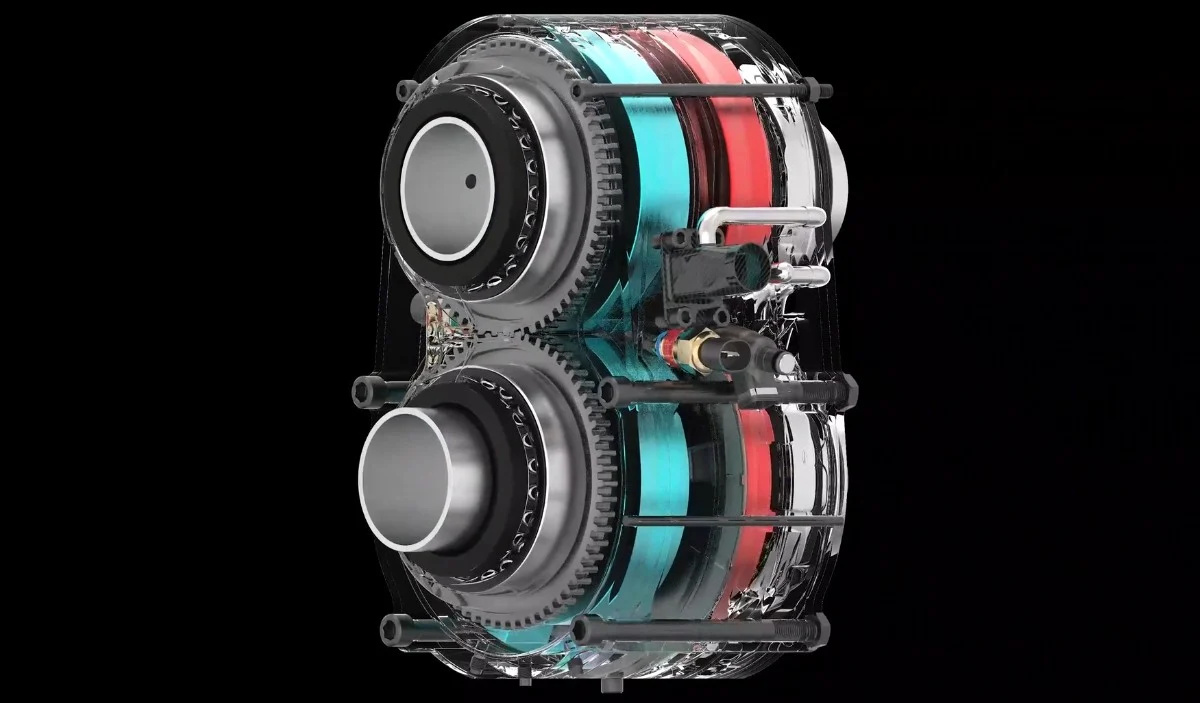
Suitcase-sized hydrogen engine spins at 25,000 rpm, nearly doubling the efficiency of conventional cars and replacing exhaust smoke with water vapor


The Arrival of BYD and Future Prospects
Antonio Filosa considers BYD’s arrival in Brazil as “a huge gain for the country”. He praises the vehicles of the Chinese brand and believes it can become an excellent player in the Brazilian market, just as it has demonstrated in China. The collaboration between Stellantis and BYD can bring mutual benefits, with the sharing of specialized suppliers in electric car parts, boosting the production of environmentally responsible vehicles in the Northeast.
In summary, the strategic partnership between Stellantis and BYD has the potential to revolutionize the automotive industry in the Brazilian Northeast. With the growth of the electric car market and the increasing demand for sustainable solutions, establishing a hub for auto parts suppliers in the region could bring significant economic and environmental benefits.
This alliance between two automotive giants paves the way for a greener and more innovative future, driving the development of the automotive sector in Brazil. Now, it remains to be seen how this promising partnership unfolds and its impacts on the industry and society as a whole.