Portuguese
  Spanish


Going to Buy a Car? It’s Time to Start Studying the Upcoming Price Increases of Toyota!
If you are thinking about buying a Toyota, it’s good to hurry. The Japanese automaker has just announced an average price increase in the United States, effective from July 1, 2025. The question that remains is: how much will it hurt in the wallet? And more: will this increase also reach Brazil?
The short answer: yes, prices will go up. And it’s not just Toyota. Other automotive giants are also adjusting their prices. However, the movement of the Japanese automaker catches attention for a specific reason: it dominates strategic markets and exports almost half of its vehicles in the U.S. from other countries like Japan, Mexico, and Canada.
Toyota Prices with Confirmed Increase: How Much Will They Go Up?
According to information released, Toyota will raise the average price of its vehicles by US$ 270 per unit, which is approximately R$ 1,100 at the current exchange rate. Meanwhile, the brand’s premium line, Lexus, will see an increase of US$ 208, equivalent to around R$ 850.
-
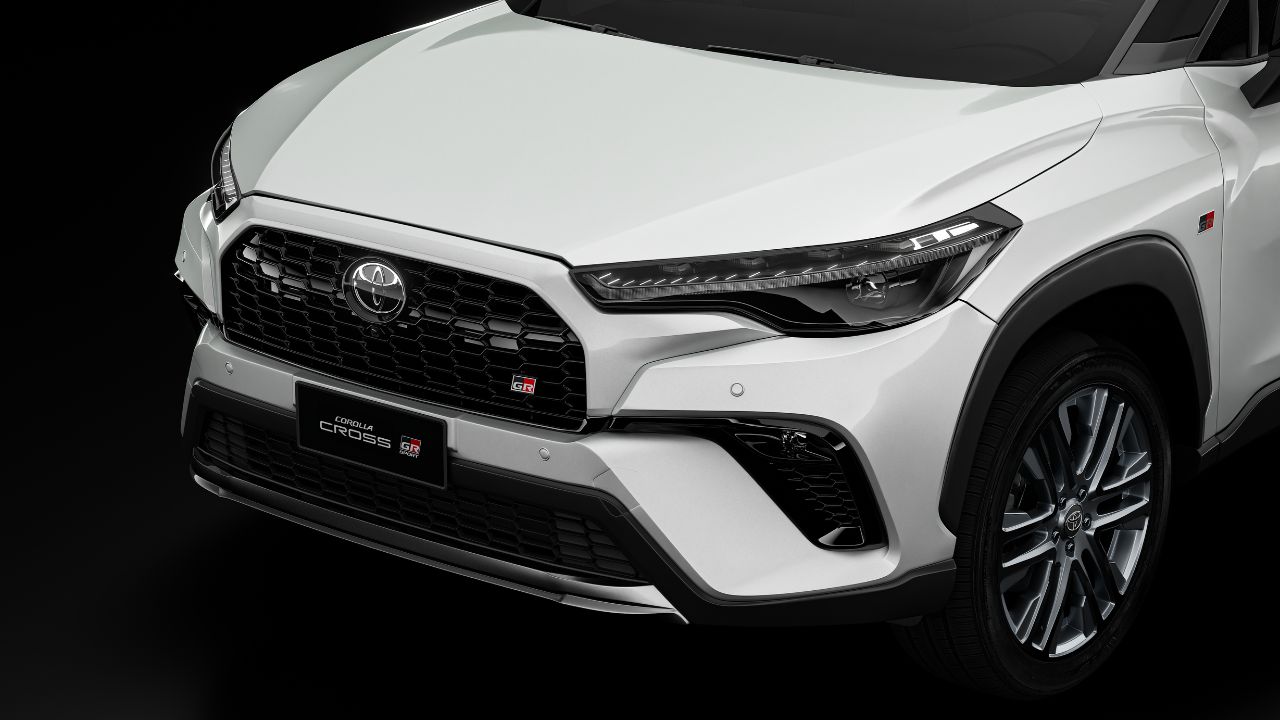
2027 Toyota Corolla Cross Unveiled: New Design, Enhanced Fuel Efficiency, Reduced Maintenance Costs, Advanced Technology, Connected Services, and Up to 10-Year Warranty

-
Fiat Cronos Precision 2018: Affordable Sedan with Spacious Trunk and Reliable Maintenance
-
Volkswagen to Cut Production by 1 Million Cars by 2030, Reducing Jobs and Platforms, Focusing on More Profitable Models

-
Toyota Launches First 100% Electric Car in Brazil: bZ4X with 343 HP, All-Wheel Drive, 361 km Range, Priced at $419,990 BRL, Limited to 99 Units



According to Toyota spokesperson, Nobu Sunaga, these increases are part of a “schedule price review”, something the company does annually. However, the global context helps to better understand the moment: the recently applied 25% import tariffs on Chinese cars and the rise in raw material costs are putting pressure on the entire automotive sector.
“We are adjusting according to market reality. Costs have risen globally, and it is inevitable to review prices,” said Sunaga.
And Now? What Changes in Practice?
Initially, the increases only affect vehicles sold in the United States. However, the impact goes beyond the American border. Since the models sold there are partly manufactured outside the country, import tariffs directly affect Toyota’s costs — and this could create a domino effect, impacting the global market.
This means that Brazil may feel the hit in the coming months. Although Toyota prices here may not rise immediately, industry experts are already warning that the second half of 2025 could bring adjustments, especially in imported models or with components from abroad.
Additionally, consumers thinking about buying a Corolla, a RAV4, or even a hybrid Lexus may be surprised by higher prices soon. Even though the Brazilian scenario is different, history shows that automakers tend to align their global pricing policies with some delay — and it is precisely at this point that the risk for local consumers lies.
Stay Alert: Is It Worth Buying Now?
If you are already eyeing a new Toyota, the recommendation is clear: make the purchase sooner rather than later, if possible. The increases in the United States may not seem substantial at first glance, but they add up to considerable amounts when including taxes, fees, and dealership margins.
Furthermore, with the automotive market facing currency instability, component shortages, and pressure for hybrid and electric cars, adjustments may become a constant in 2025 and 2026.
Are you going to buy a car? Will you wait for the increase or rush to secure yours? Leave your opinion in the comments!