Portuguese
  Spanish


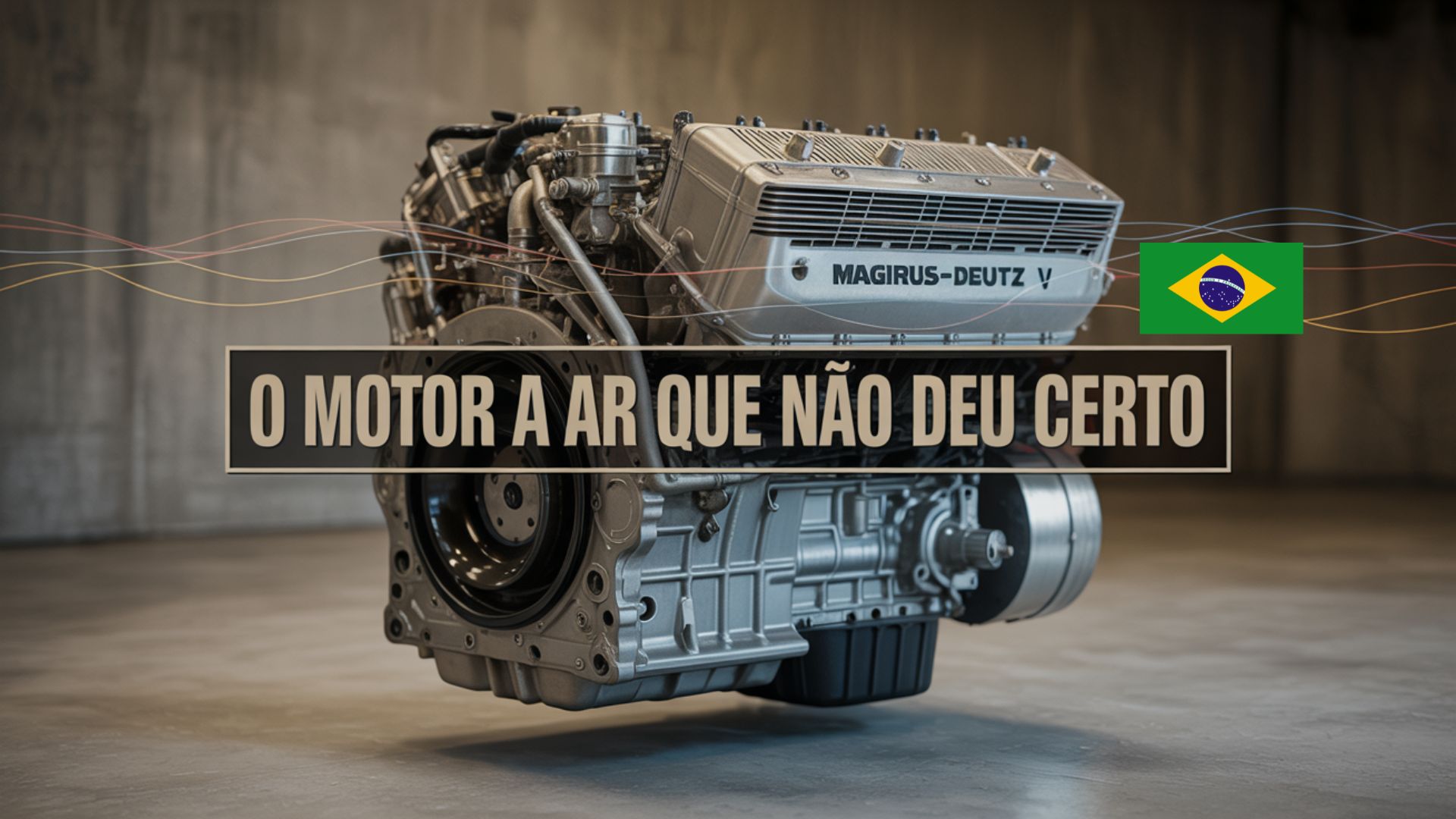


Discover the Story of a German Manufacturer That Tried to Innovate Brazilian Public Transportation in the 1960s by Bringing Air-Powered Engines for Urban Buses, but Faced Technical Obstacles That Impacted Its Stay in the Country.
At the end of the 1960s, the Brazilian public transport sector witnessed one of the most ambitious projects of the international automotive industry: the arrival of Magirus-Deutz, a traditional German manufacturer, in Brazil.
In 1967, the company began operations in Simões Filho, Bahia, with a bold proposal that promised to revolutionize the national bus market: chassis with air-cooled diesel engines, installed at the rear, and non-synchronized manual transmission.
This innovation, which attracted initial attention, quickly became a little-remembered chapter in the history of public transport in the country.
-
How to Prevent Brown Recluse Spider Bites: Common Hiding Spots and Free Tips to Reduce Risks

-
Natto: The Unusual Japanese Superfood Gaining Popularity on Social Media and Driving Record Exports
-
Brazilian Mayor Goes Undercover as Homeless for 24 Hours to Assess Public Services

-
15-Year-Old Entrepreneur Malu Lira Publishes 20 Children’s Books on Financial Education, Earns $500,000, and Expands Her Project to the Amazon Rainforest




Technical Features of Air-Powered Buses
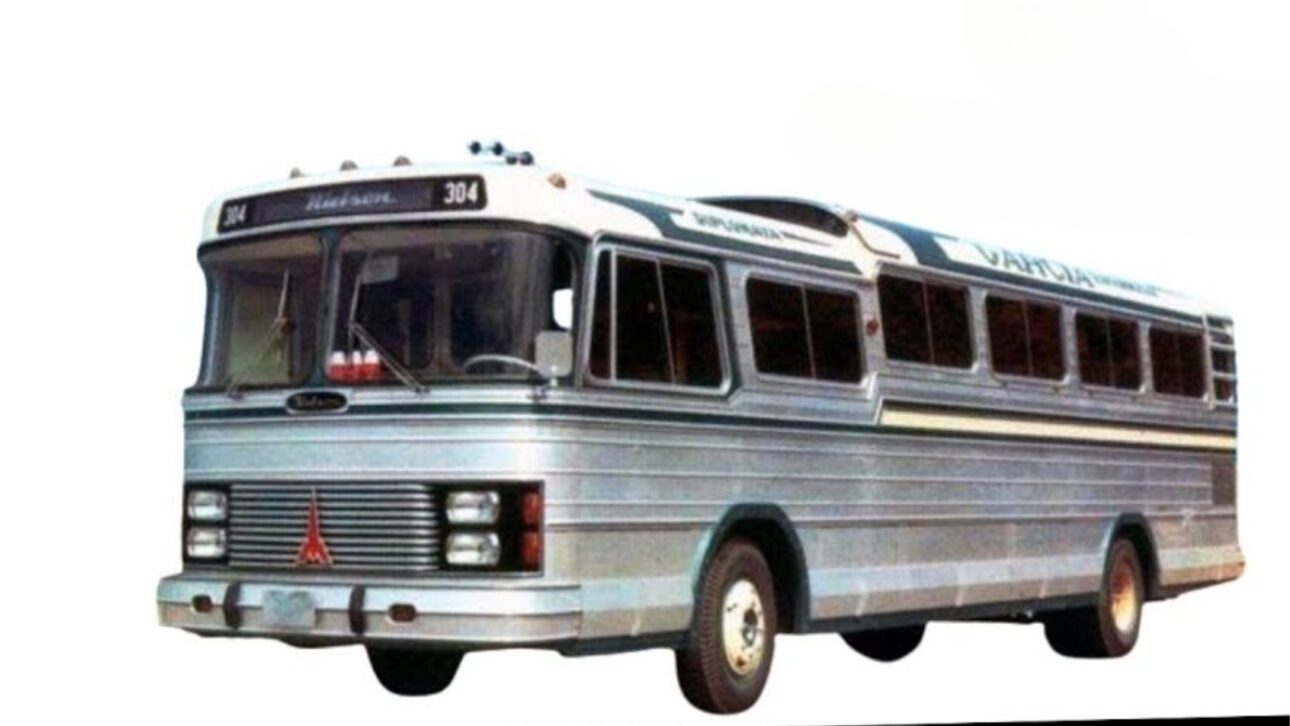
The Bahia factory of Magirus-Deutz was responsible for assembling the first chassis intended for urban and intercity buses in Brazil.
The vehicles featured the F6L engine, a six-cylinder diesel with a displacement of 8.7 liters, capable of delivering up to 135 horsepower.
The differentiator of this engine was the cooling system: instead of traditional water, it used only air, a rare technology at the time and quite uncommon for large vehicles.
Another striking aspect was the six-speed manual transmission, without synchronizers, requiring drivers to have skill for precise gear shifts, similar to what occurred in trucks of that era.
First Reception and Operational Problems
In the first months, the Magirus-Deutz chassis gained transport operators’ favor, especially due to the promise of robustness and ease of maintenance.
The monocoque configuration — integrated body and chassis — also expanded customization options, benefiting public transport in different regions of Brazil.
However, this initial acceptance would soon be shaken by technical challenges that were aggravated by Brazil’s tropical climate.
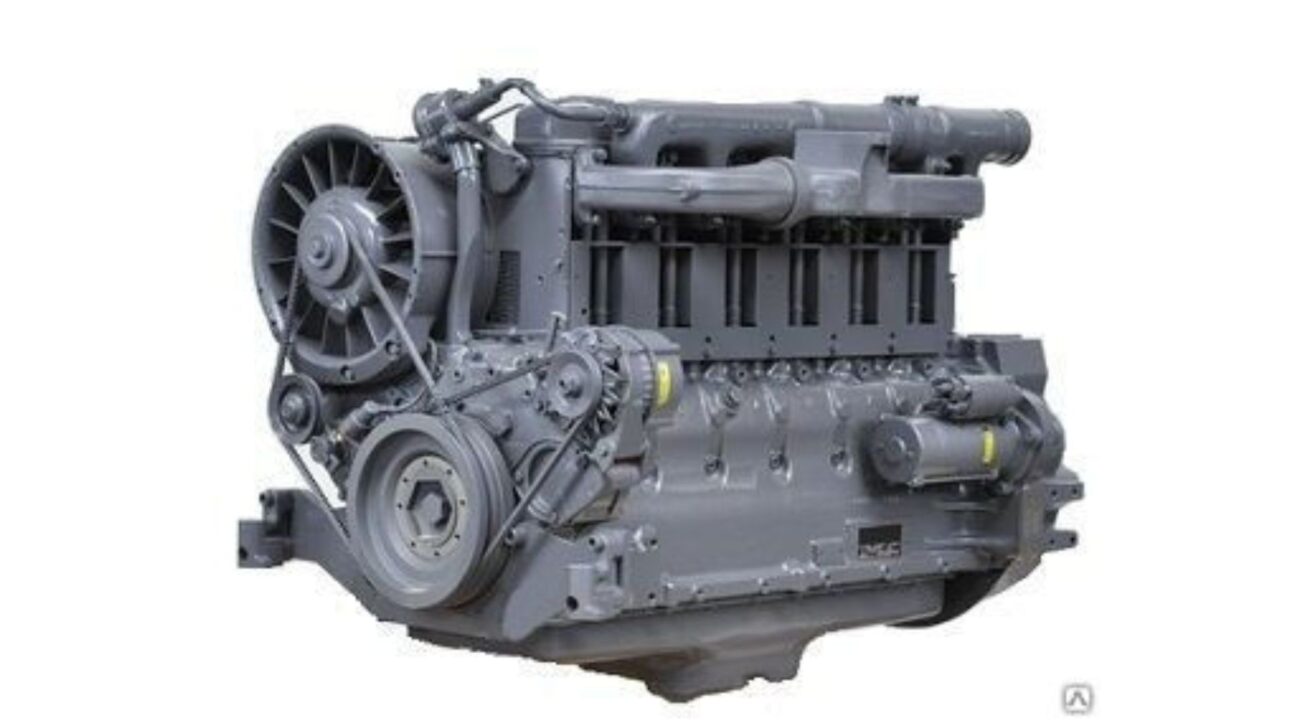
With the engine installed at the rear and bodies not always well-ventilated, the excessive heat of Brazilian cities exposed a limitation of the design: air engines, although efficient in cold climates, faced recurring overheating episodes.
According to reports from former drivers and technical records of the time, “the vehicles began to show temperature problems above the ideal,” hindering continuous operation, especially on intensive urban lines.
The manufacturer’s delay in implementing effective solutions and the lack of specific parts intensified the situation, harming the reputation of Magirus-Deutz chassis in Brazil.
The Launch of the V8 Diesel and the End of Operations in the Country
The company sought to overcome the crisis with the launch, in 1970, of an even more powerful version: the RSL413 chassis.
This new model was equipped with the F8L413 engine, an air-cooled V8 diesel with 11.3 liters and impressive 230 horsepower.
This configuration placed the model among the few national buses equipped with a diesel V8 engine, reinforcing the audacity of Magirus-Deutz’s experiment in Brazil.
However, the technical advancement was not enough to solve the main obstacle: overheating continued to affect the performance of the vehicles, especially on longer trips or under heavy use in large urban centers.
Starting in 1972, the situation became unsustainable for the German company.
With difficulties in providing replacement parts and failing to overcome the challenges posed by the Brazilian climate, Magirus-Deutz ended its operations in the country.
The sudden exit forced transport companies to seek alternatives, resorting to replacing the original engines with conventional models, water-cooled, that were better suited to local conditions.
This mass substitution, combined with the low durability of imported components, made the examples of Magirus-Deutz buses that still preserve the original mechanical configuration in Brazil extremely rare.

Challenges, Legacy, and Rarity of Air-Powered Buses
In addition to the technical challenges, the Magirus-Deutz experiment illustrates how adapting international technologies to Brazilian conditions can require more than just innovation.
The absence of parts and technical assistance after the manufacturer’s departure from Bahia compromised the operation of the vehicles, generating direct impacts for operating companies.
“Specific components were lacking, and qualified labor was scarce,” reports a specialist in the public transport sector.
In just a few decades, Magirus-Deutz chassis became a rarity in the collections of collectors and museums in the country.
Today, finding a Magirus-Deutz bus in working condition in Brazil is almost impossible.
The combination of a rear engine, non-synchronized manual transmission, and air cooling system, while ahead of its time in some aspects, did not withstand the harsh operational reality of Brazilian public transportation in the 1970s.
The case remains a reference about the risks and challenges of introducing technological solutions without considering all local variables, especially regarding climate, parts availability, and specialized maintenance.
The experience of air-powered buses from Magirus-Deutz, although brief, left valuable lessons about the importance of engineering adapted to context.
In Brazil, the preference for water-cooled diesel engines was solidified precisely after episodes like this, leading manufacturers to invest in solutions more aligned with the country’s needs.
Did you know this story about air engines in buses in Brazil? Do you believe that the national industry is prepared to embrace new technologies, or are the challenges still the same? Share your opinion and join the discussion about the future of Brazilian public transport.