Portuguese
  Spanish


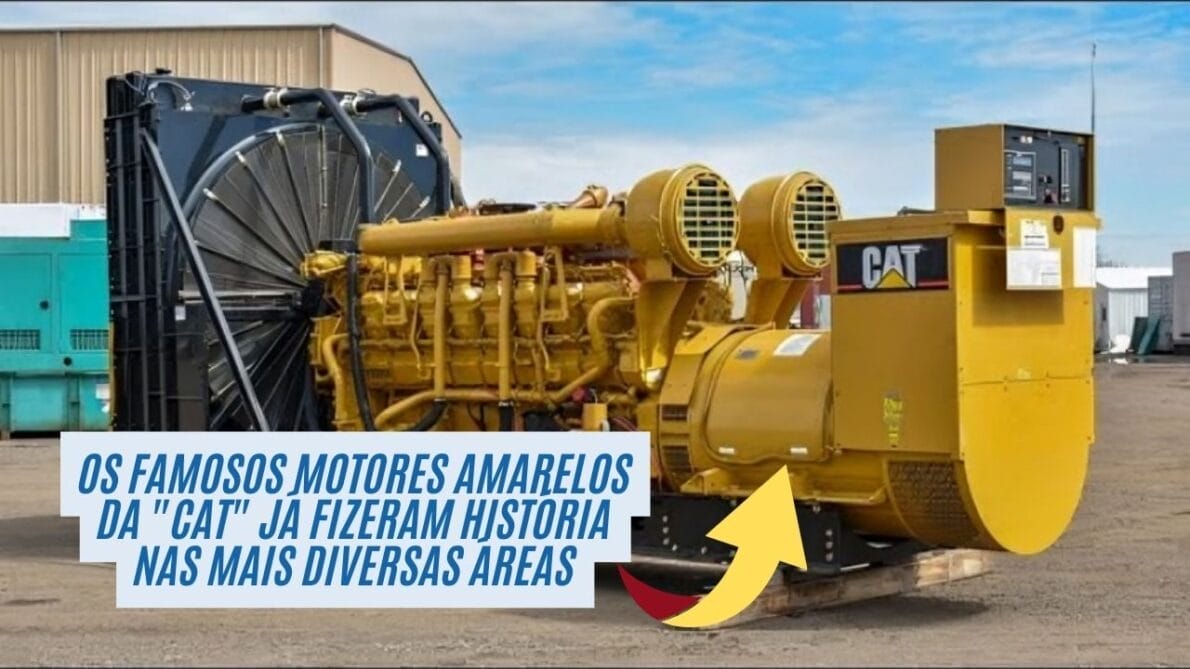


When We Talk About Caterpillar Engines, What Comes to Mind for Many Are Those Massive Machines That We See on Construction Sites, but the Truth Is That These Engines Have Gone Beyond the Job Sites. Today, Caterpillar Diesel Engines Are a Global Reference of Robustness and Innovation, Present in Several Areas Like Transport, Agricultural Machines, and Even Military Equipment. Yes, the Famous Yellow Engines from “Cat” Have Made History in the Most Diverse Areas Since They Were Launched. And This History, of Course, Has Its Unique Charm!
It All Started Back in 1925, When Benjamin Holt and Clarence Best’s Companies, Two Giants in the Agricultural Machinery Sector, Decided to Join Forces. Thus, Caterpillar Tractor Company Was Born. Soon, the Brand Began to Stand Out for Its Innovative Tractors, Equipped with the Famous Tracks That Prevented Vehicles from Sinking in Softer Terrain. But the Big Leap Came in the 1930s When the Company Decided to Invest in Internal Combustion Engines, Specifically Diesel Engines.
These Engines Soon Began to Equip Tractors, Trucks, and Even Military Machines. With Impressive Efficiency, They Consumed Less Fuel and Were Extremely Durable, Characteristics That, Even Today, Make Caterpillar Engines Synonymous with Quality.
The Revolution of Caterpillar Diesel Engines
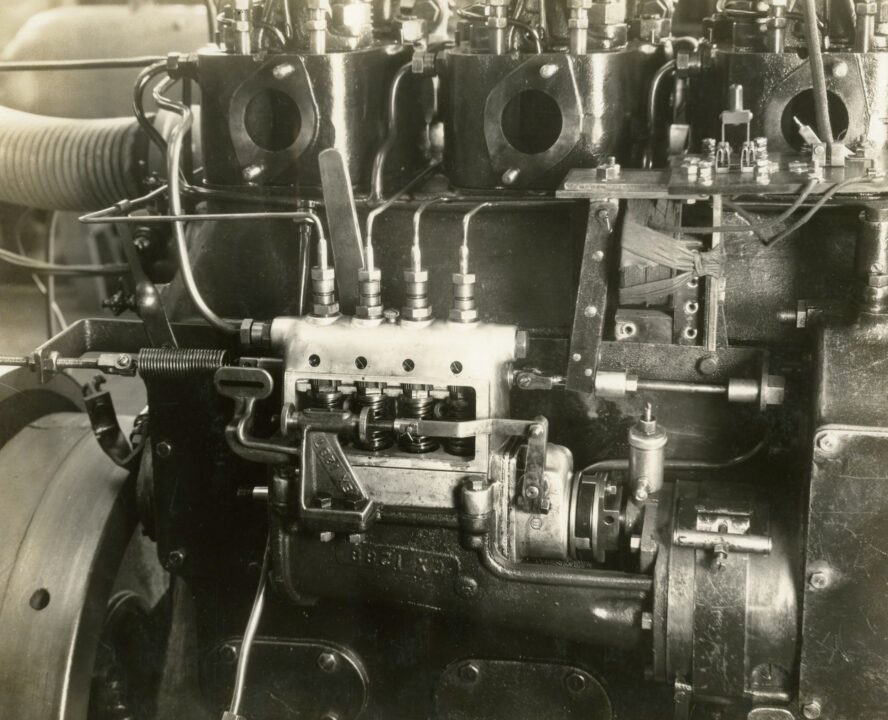
In the 1930s, When Caterpillar Decided to Swap Its Gasoline Engines for Diesel Engines, the Company Hit the Mark. These Engines Offered Monstrous Torque, Making Them Perfect for Heavy Equipment Like Tractors and Freight Trucks.
-
Chevrolet’s Parent Company to Invest Billions in Brazil to Modernize Factories, Update Cars, and Accelerate Hybrid Launch by 2028

-
Practical Driving Tests in Brazil Surge by 23.5%, Exceeding 2.2 Million by 2026, as New Rules Make the Process Cheaper and Simpler
-
Brazil’s Lula Government Allocates $463 Million Quota for Electric Car Parts, Waives Import Tax Until December, Sparking Competition Among BYD, Automakers, and Unions as Consumers Question Impact on Prices and Local Industry

-
Thinking of Installing LED Headlights? Why Replacing Halogen Bulbs is Still Banned, the Glare Risks Authorities Worry About, and How a New Proposal Could Allow Certified, Safe Installations


Fuel Consumption Was Significantly Lower, Which Proved Crucial During the Great Depression When the Company Made Kits Available to Convert Gasoline Engines to Diesel, Saving Their Customers’ Money.
This Transition to Diesel Engines Made Caterpillar the Largest Manufacturer in the World in This Sector, Consolidating Its Reputation. No Wonder, the Brand’s Diesel Engines Began to Be Widely Used in Heavy-Duty Trucks in the United States, Becoming Essential in Large-Scale Operations.
Caterpillar in Brazil: A Story of Success
Here in Brazil, Caterpillar Engines Arrived in 1954, and It Didn’t Take Long for the Brand to Become a Reference. The Brand’s First National Product Was the 12E Motor Grader, Equipped with a Caterpillar Engine of 115 Horsepower. Over the Years, the Factory Located in São Paulo Increased Its Localization of Products, and the Brand Established Itself as a Leader in the Heavy Equipment Sector.
However, the Real Revolution Came When Caterpillar Diesel Engines Began to Be Adapted in Trucks in the Country. This Made the Brand, Which Was Already a Success in Construction Machines, Also Associated with Road Transportation Vehicles.
The Innovation Behind Diesel Engines
But Caterpillar Didn’t Stop There. In the 1990s, the Company Launched the ACERT (Advanced Combustion Emissions Reduction Technology) System, a Revolutionary Technology That Helped Reduce Pollutant Emissions Without Compromising Engine Power.
This Innovation Came at a Time When Environmental Regulations Were Becoming Increasingly Strict, and Caterpillar Stayed at the Forefront by Offering Engines That Met the Requirements Without Losing Efficiency.
With the ACERT System, Caterpillar Engines Continued to Be a Popular Choice for Trucks, Heavy Machinery, Generators, and Even Locomotives. The Combination of Power, Durability, and Fuel Efficiency Ensured That the Brand Remained on Top.
CAT Engines Are Not Just Machines
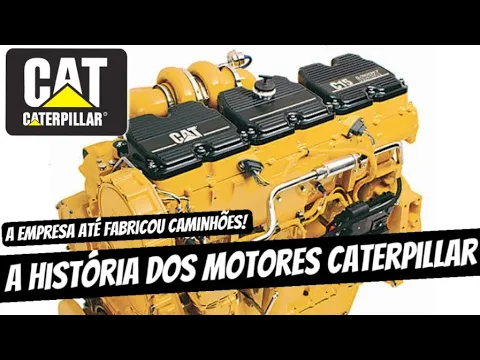

They Represent a Legacy of Innovation, Power, and Durability That Has Transformed the Way the World Works. From Tractors to Trucks, from Construction Sites to Highways, Caterpillar Diesel Engines Are a Key Piece in the History of Mechanical Engineering.
And Even Though in 2010, Caterpillar Stopped Producing Engines for Trucks, Its Presence in the Heavy Machinery, Generators, and Marine Engines Sector Remains Strong.
So, the Next Time You See One of Those Huge Yellow Vehicles, Remember: Inside It, Probably Lies an Engine That Carries Decades of History and Innovation, and That Helped Shape the World as We Know It Today.