Portuguese
  Spanish


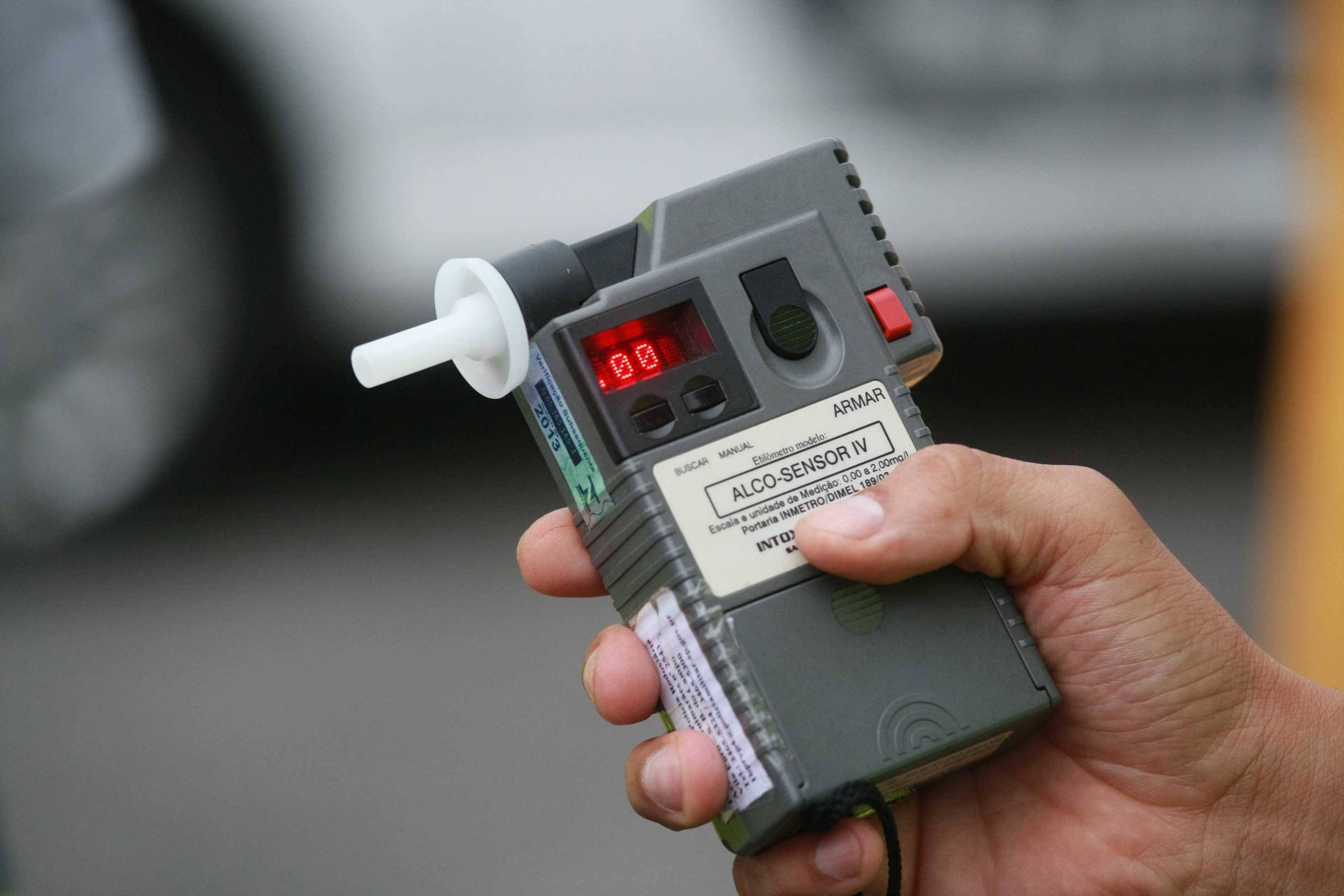

The Law Created in the United States Is Set to Come into Effect in 2026 and Aims to Reduce the Number of Car Accidents
Many countries, such as Brazil (since the implementation of the Dry Law, even though it has not yielded significant results), have been working for several years to reduce the number of car accidents resulting from alcohol consumption by drivers. In the United States, the government’s efforts to achieve this reduction must also reach the private sector, given that there is a law mandating all vehicles to be equipped with breathalyzers.
The goal is that in order to start the car, the driver must blow into the breathalyzer. If an alcohol level above the permitted limit is detected, the vehicle will not start.
According to the American news agency Automotive News, the new breathalyzer law will be officially implemented in the country starting in 2026 and will apply to all cars sold. However, one of the issues that may hinder this law is the fact that breathalyzer technology is not yet widespread in the automotive market, although some companies are already investing in this area.
-
Rolls-Royce Turns Heads with 30-Inch Floating Wheels, 6.6-Liter V12 Engine, and 563 Horsepower

-
2019 Kia Sportage EX: A Spacious and Cost-Effective SUV with 2.0 Flex Engine and Panoramic Roof
-
Fiat Strada Becomes Top Seller in June, Surpassing Onix, Polo, Hilux, and T-Cross with 107 HP Engine and 732 km Range.

-
Suitcase-sized hydrogen engine spins at 25,000 rpm, nearly doubling the efficiency of conventional cars and replacing exhaust smoke with water vapor


Japanese Company Already Works to Include Breathalyzer in Cars, Potentially Facilitating U.S. Law and Hindering Drunk Drivers
According to the report by Automotive News and published in Brazil by the site Vrum, a Japanese company specializing in chemistry and electronics, called Asahi Kasei, is already committed to preventing intoxicated drivers from operating vehicles and making cars with breathalyzers viable for mass production. To provide such technology, the company collaborates with automakers, suppliers, and government agencies.
According to Mike Franchy, mobility director at the company’s North American division, this new law, which will require breathalyzer-type equipment inside vehicles, has surprised all sectors of society, as many of us have been intoxicated drivers at some point in our lives.
The idea of the company responsible for developing the technology is that the breathalyzer in cars should be a sensor very well integrated into the vehicles, without the need for new hardware in the vehicle.
The Brazilian government has not yet provided any guidance regarding the implementation of this law on national territory, but nonetheless, stricter measures are expected regarding the fight against alcohol consumption while driving.