Portuguese
  Spanish


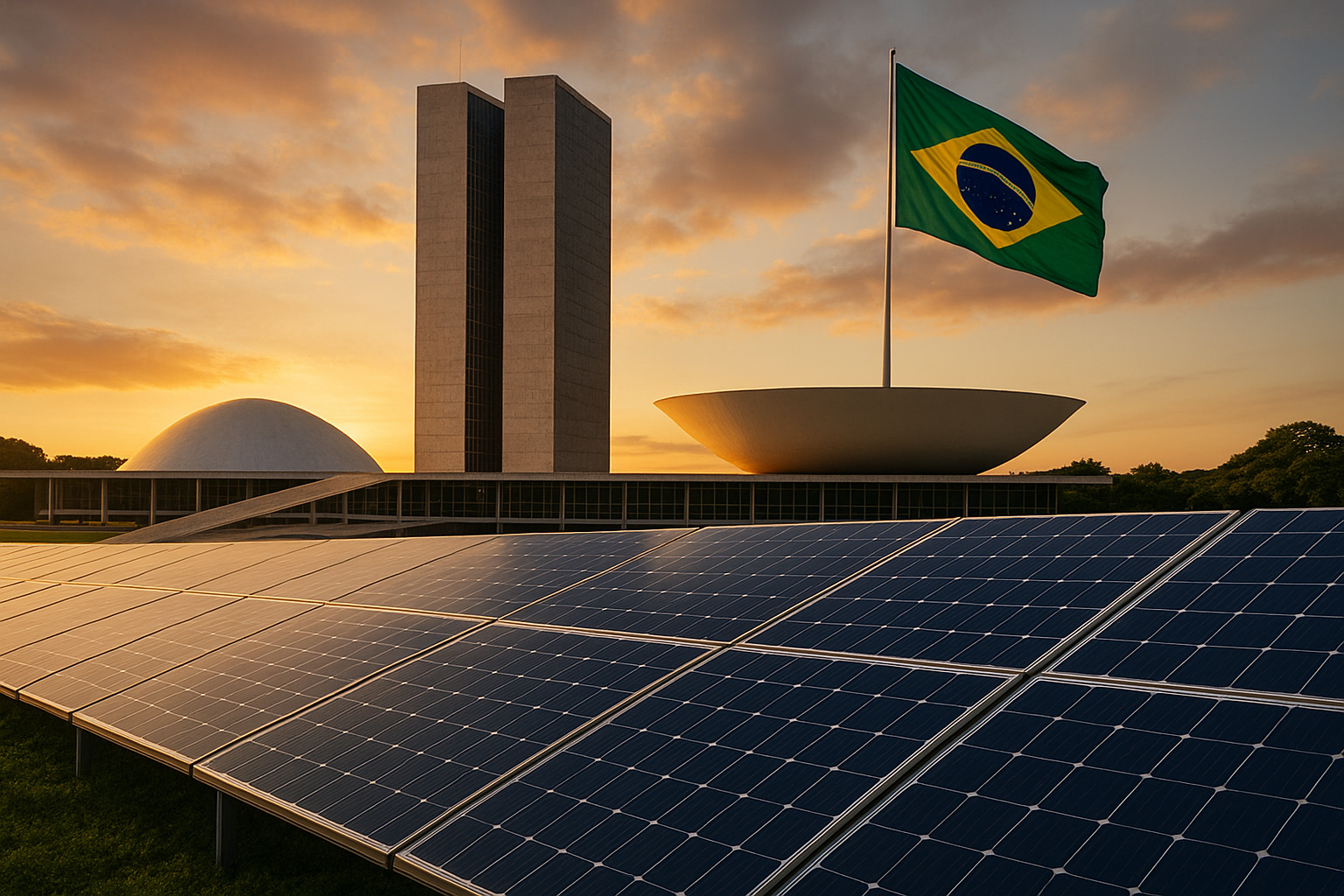

Senate Approves MP That Reduces Electricity Bills in Brazil and Transforms Energy Generation; See What’s Changing and How the Economy Will Be Impacted.
Cheaper Electricity Bills: Senate Approved Electric Sector MP and Changed Rules in Brazil
Brazilian electricity bills will become cheaper. This is because the Senate approved, on Thursday (30), the electric sector MP that alters energy generation rules, reinforces compensations for consumers and companies, and additionally promises greater tariff predictability across Brazil.
The measure, reported by Senator Eduardo Braga (MDB-AM) and approved by 22 votes to 2, now goes to presidential sanction.
The MP, which takes effect after official publication, starts to open the energy market to all consumers as of 2026, allowing free choice of suppliers. Therefore, this decision marks a historic step for the economy, increasing competition and favoring lower costs on electricity bills.
-
USP researcher creates thesis to attract international funds for the country’s electric energy sector

-
Trafigura receives authorization from ANEEL to trade electricity in Brazil and expands its operations in the largest energy market in Latin America.
-
Mobile solar panels promised to share space with corn crops, but the 20% to 25% shade reduced production by an average of 7.7% and opened a new dispute between energy and food.
-
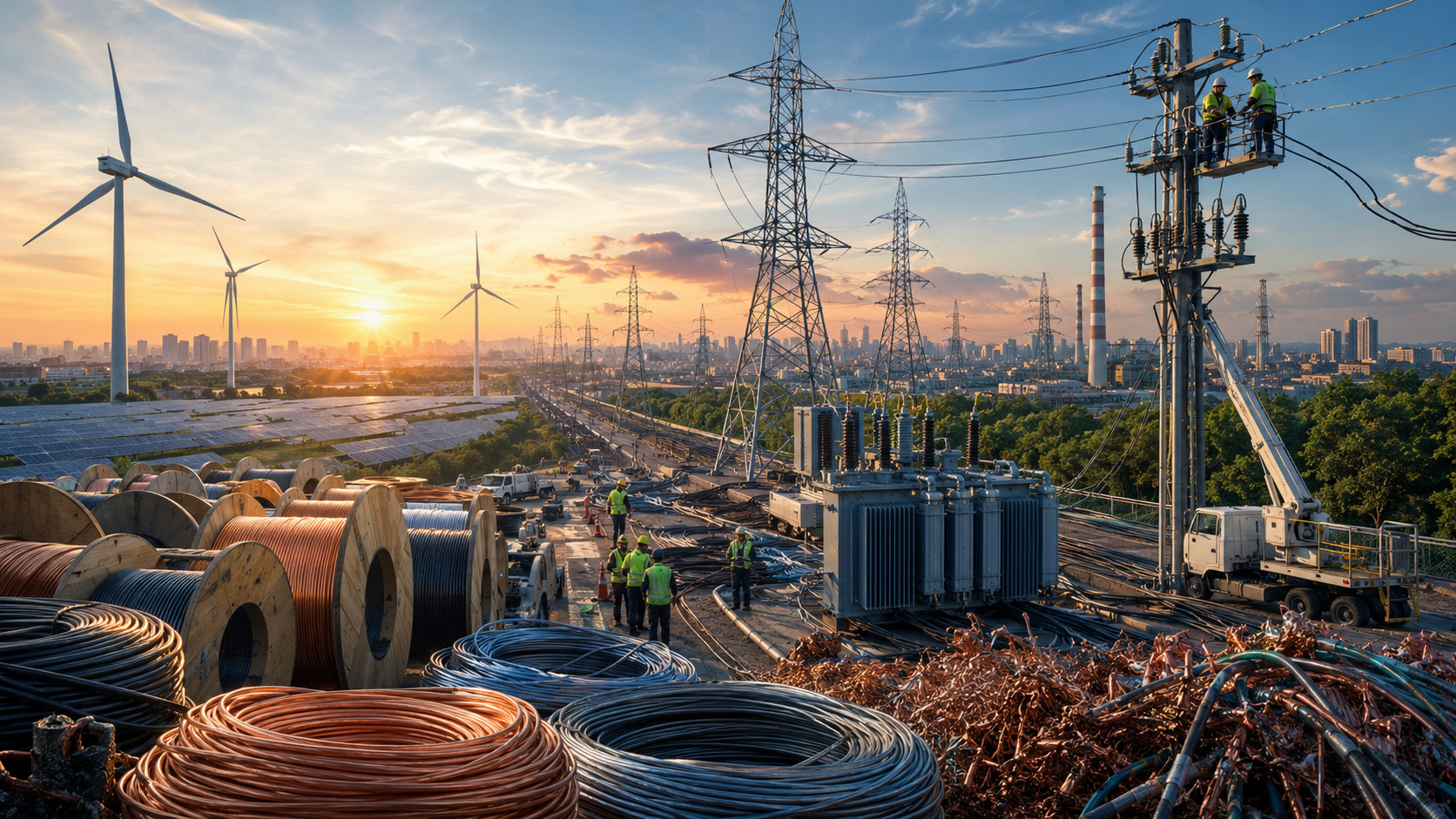
More than 80 million kilometers of wires need to be replaced by 2040: the energy transition doesn’t just depend on panels and electric cars, but on a colossal race for copper, aluminum, transformers, and recycling of old cables.


According to the Senate, the proposal corrects distortions, encourages new technologies, and ensures a more transparent system. The goal, as highlighted by the parliamentarians, is to ensure accessible, balanced, and more secure energy for the country.
Energy Generation With New Rules Focused on Consumers
The MP establishes the gradual opening of the energy market. Starting in August 2026, industries and businesses will be able to choose their suppliers. Then, in December 2027, residential consumers will enter the new model. This transforms how Brazil purchases electricity and strengthens competition in the sector.
Reporter Eduardo Braga reinforced this commitment:
“Our focus has always been the consumer. The text seeks to correct distortions and promote fair tariffs, with energy security and predictability for the country.”
Thus, the electric sector gains a more modern, efficient structure aligned with the need for innovation.
End of the Fee for Those Who Produce Solar Energy at Home
The most celebrated change by consumers is the end of the extra charge for those who generate their own energy, especially through solar panels. Previously, new systems would pay a fee of R$ 20 for every 100 kWh. Now, the text eliminates the cost to encourage the expansion of solar generation in Brazil.
This decision, therefore, makes investment in clean energy more accessible and stimulates the national energy transition.
Guaranteed Compensation for Failures in Renewable Energy Generation
The MP also expands compensation for solar and wind plants that need to interrupt production for external reasons. As a result, sector entrepreneurs will have financial compensation, avoiding losses that could, in the future, increase the consumer’s electricity bill.
The rules include:
- ONS will have 60 days to calculate retroactive values since September 2023.
- Ministry of Mines and Energy will publish regulations within 30 days after sanction.
This mechanism, therefore, brings balance to the system and strengthens the energy transition in Brazil.
Billions to Stabilize Tariffs and Strengthen the Economy
Another decisive point is the allocation of 100% of the revenue from hydroelectric concessions to the CDE sector fund for seven years, ensuring over R$ 15 billion to contain tariff increases and fund subsidies.
The measure reduces pressures on electricity bills and, in addition, strengthens the economy and the country’s energy planning.
Incentive for Energy Storage in Brazil
The MP maintains tax exemptions for energy storage systems, with benefits in IPI, PIS/Cofins, and even reduction of import tax.
This policy supports the use of batteries and new technologies, reducing losses in the National Interconnected System and increasing efficiency.
Conclusion: Cheaper Energy, Predictability, and Technological Advancement
With the approval of the MP, Brazil takes a strategic step towards ensuring more accessible energy, encouraging innovation, and improving sector regulation.
Moreover, the end of the solar fee, the stimulation of new technologies, and the opening of the market create a favorable scenario for families and businesses, boosting the national economy and preparing the country for the future of energy generation.