Portuguese
  Spanish


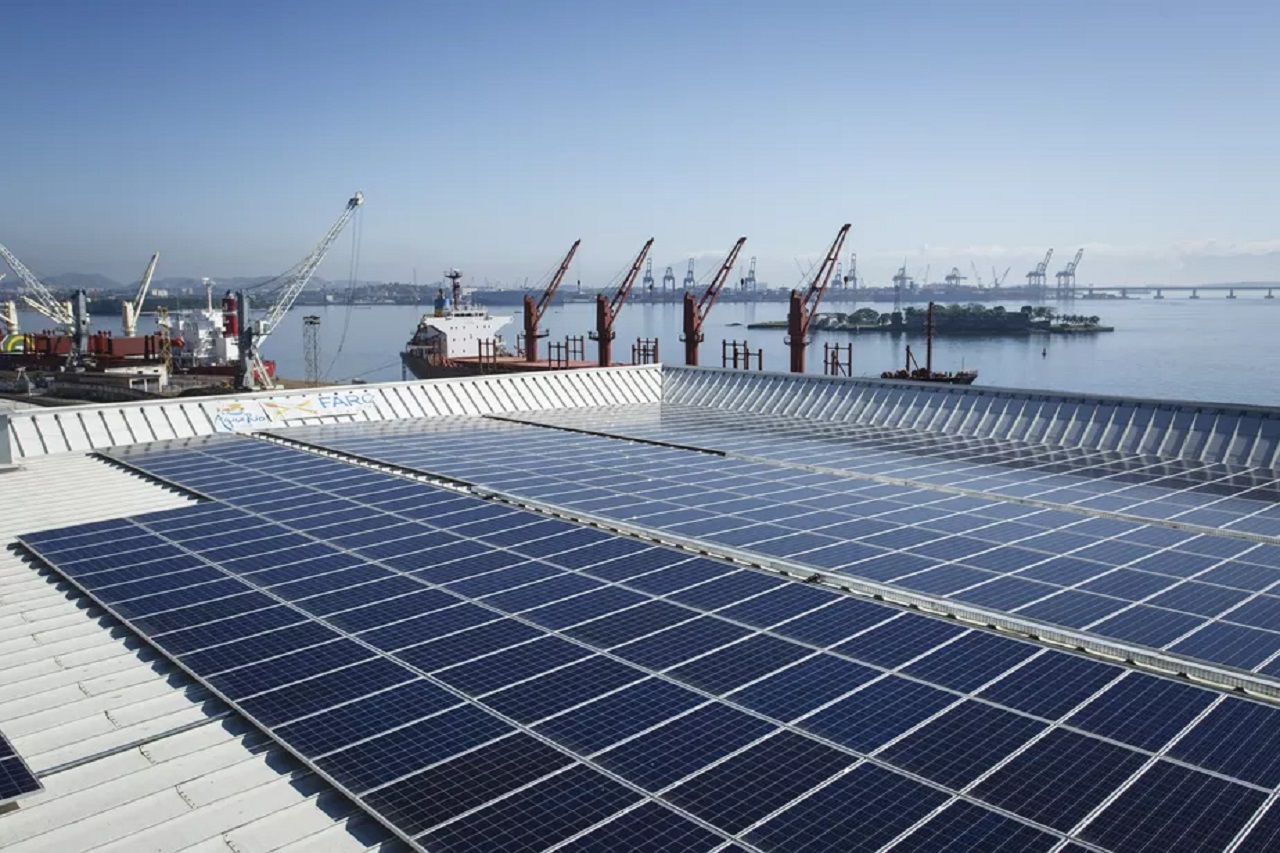

The State of MS Will Have Billion-Dollar Investment in the Solar Energy Sector. The Region Plans to Build a Giant Solar Plant That Will Be Responsible for Reducing the Electricity Bills of Public Buildings.
The Governor of the state of Mato Grosso do Sul, Eduardo Riedel (PSDB), states that the state government plans to install the largest solar plant in MS and the construction will involve private resources of over R$ 8.5 billion, aiming to provide clean energy to public agencies, thereby reducing electricity costs. This was one of the investment projects launched as part of the renewable energy program last Monday (24).
MS Closes PPP with HCC Solar Energy
The use of solar energy by public agencies throughout the state of MS falls under the Tax Justice topic of the program and is a way to reduce costs related to electricity bills, use sustainable energy, and lower expenses for the public sector.
On March 13, representatives from the State Government and HCC Solar Energy met to discuss and align the execution schedule for the installation of photovoltaic solar power plants in MS.
-
After a Year of Success in Switzerland, Solar Railway Attracts Italy’s Interest for Clean Energy Transformation

-
Robots Clean Solar Panels in Desert Power Plants Without Water, Preventing Energy Losses
-
Brazil’s Offshore Wind Energy Potential Worth $1 Trillion Stalled by Long-Delayed Agreement

-
World’s Largest Engie Solar Plant in Brazil Highlights Billion-Dollar Energy Waste Issue: Company Considers Batteries and Bitcoin Mining to Avoid Wasting Production

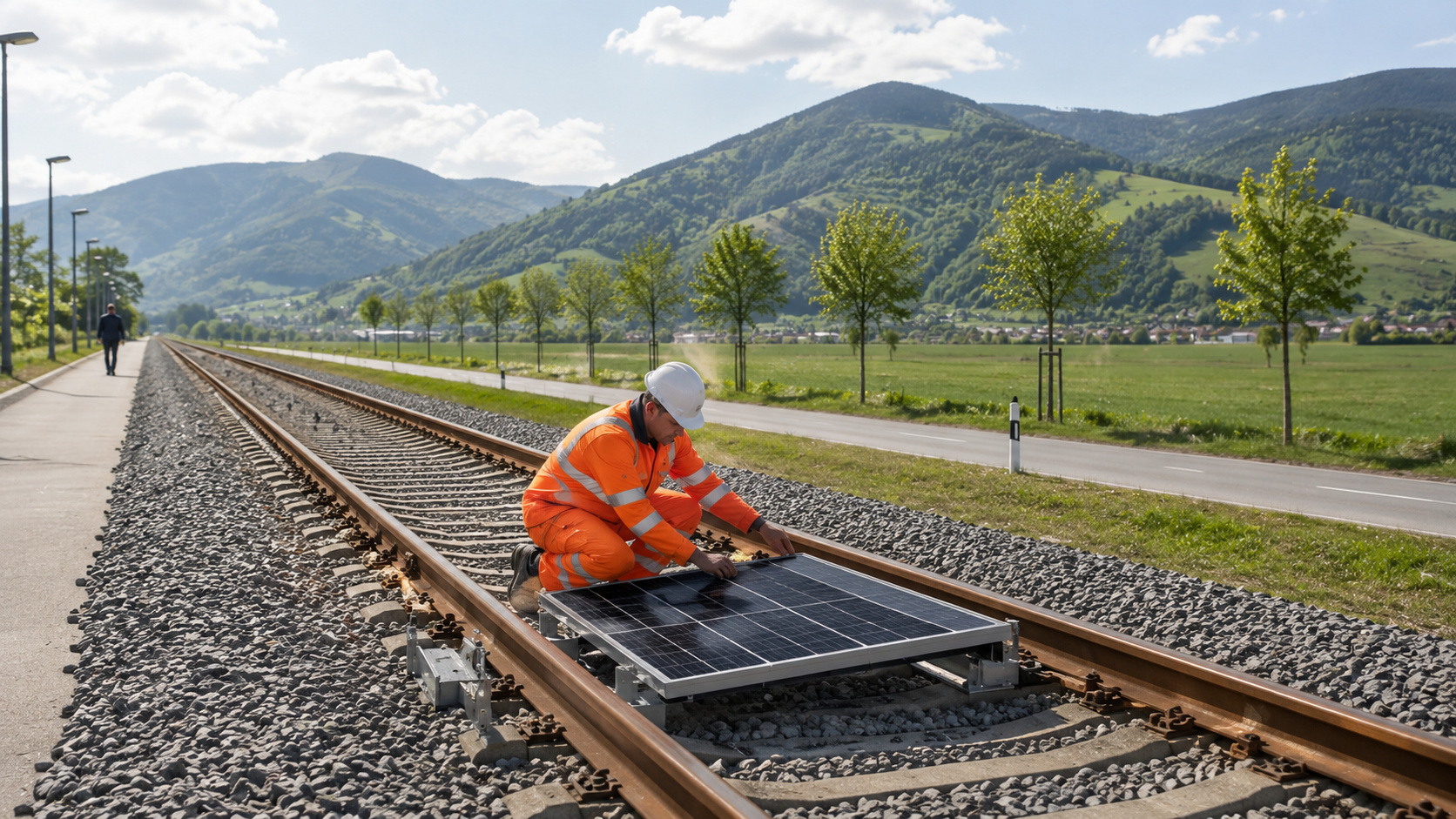


The company has signed a Public-Private Partnership (PPP) with the state to supply more than a thousand public buildings with renewable and clean energy, significantly reducing electricity costs.
Among the benefited enterprises are schools, Detran-MS units, police battalions, among others. According to project manager João Alberto Machiavelli, the expectation is that the first solar plants will be installed in cities in southern MS.
The idea is for the company to start work on two areas between March and April. The two municipalities most likely to be the first to have a solar plant and enter this first block of projects are Angélica and Glória de Dourados.
HCC Will Present Execution Schedule Soon
The complete list of cities where solar energy projects will be installed in MS will be finalized by the company by May.
After the development and approval of the installation schedule, Seilog will be the department to monitor the contractual execution of the PPP, according to Eliane Detoni, special secretary of the Office of Strategic Partnerships (EPE) of the State Government and Strategic Management Secretariat (Segov), which was responsible for drafting the PPP.
According to Detoni, during this meeting, the formal delivery of the PPP contract to Seilog took place. The main project details were shared, as well as the measures that Seilog needs to take. In the coming weeks, the concessionaire company HCC will present this execution schedule, which will need to be approved and subsequently monitored.
Which Agencies Will Use Solar Energy and Have Reduced Electricity Bills?
For Hélio Peluffo, the secretary of Seilog, MS will have a green seal throughout the territory. Hélio emphasizes that the state is advancing to serve 1,434 government units with the solar plant, under the responsibility of the secretariat.
The service points cover 86% of Detran-MS buildings, 95% of the Civil Police, 95% of the Military Police units, 97% of the Fire Department, and 79% of the state schools.
The planned investments in the partnership between HCC and MS for the supply of renewable and clean energy to state administrative units total R$ 134 million. R$ 80 million will be spent on the construction of the photovoltaic solar plants’ infrastructure and R$ 54 million on operation and maintenance. At the end of the contract, the assets of the solar energy plants to be installed will return to the State.