Portuguese
  Spanish



Researchers Confirm That in 2025, for the First Time in 40 Years, the Natural Phenomenon Did Not Occur in the Panamanian Pacific
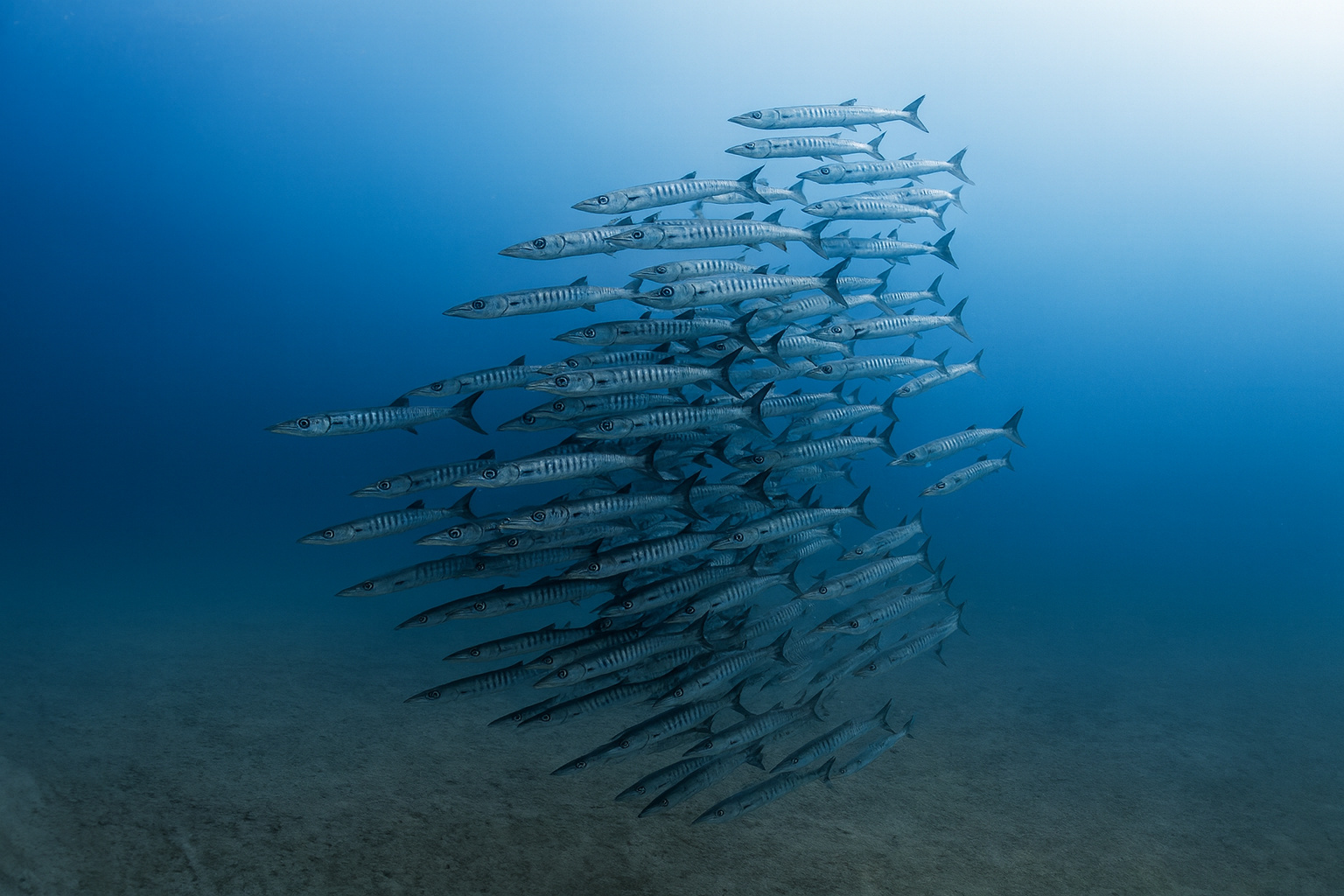
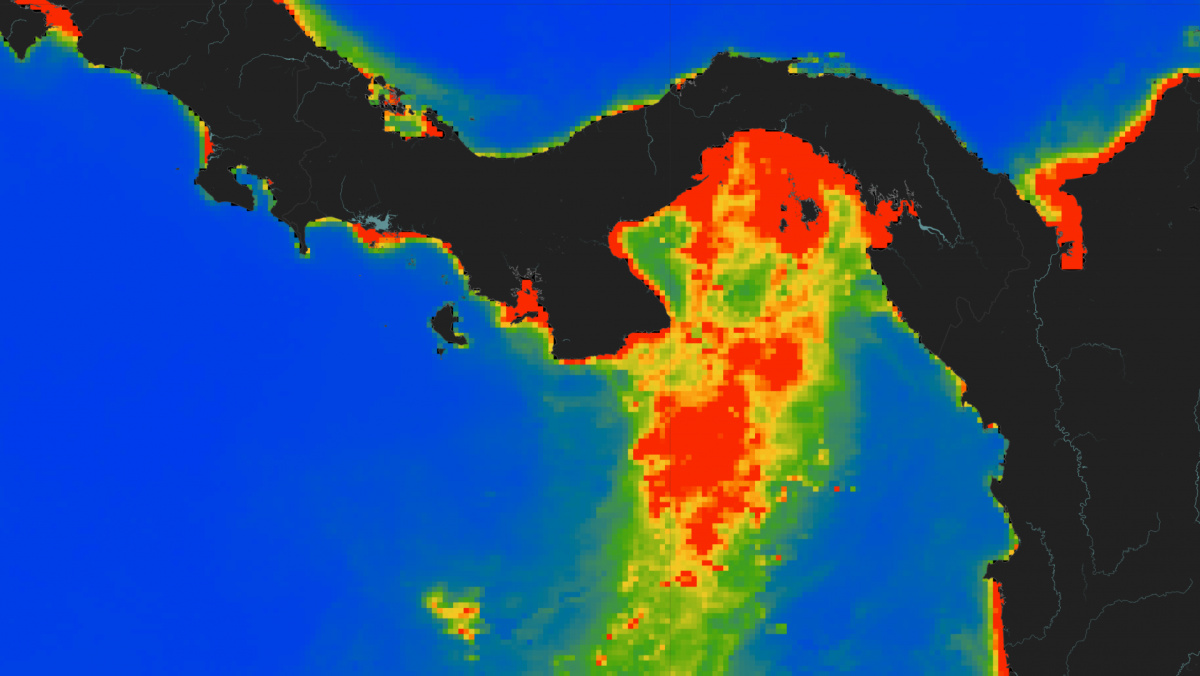
An unprecedented failure in the seasonal upwelling of the Gulf of Panama was recorded in 2025, surprising scientists and raising serious concerns about the climatic and economic impacts in the region. The phenomenon, continuously observed since 1985, ceased to occur between January and April, according to a study released in September 2025 by the Smithsonian Tropical Research Institute (STRI).
The Natural Phenomenon That Never Failed
The seasonal upwelling has always been characterized by the rise of cold, nutrient-rich waters from the depths to the surface. This movement ensures fishing productivity and reduces thermal stress on coral reefs. However, in 2025, the process did not occur, something never recorded in four decades of scientific monitoring.
According to the STRI, the data revealed the absence of the typical drops in temperature and peaks in biological productivity that normally mark this period.
-
In Brazil’s backyard: Tesla, by Elon Musk, announces official operations in Uruguay, where electric vehicles already make up 20% of new cars but still leaves out the largest market in the region.

-
This Mars rover may finally reveal if life ever existed on Mars.
-
A nearly 70-year-old Chinese inventor has registered 90 patents and created a device that stores water in the roots, helping seedlings survive drought while trying to transform the arid slopes of the Loess Plateau into green areas without relying on heavy irrigation.

-
Researchers want to change the way of producing rare earth magnets, reducing purification steps and making better use of the elements found in Swedish deposits.


Reduction of Winds as a Determining Factor
According to the study published in September 2025, the significant decrease in wind patterns in Panama was the main cause for the failure of the upwelling. This data reinforces that global climate changes are directly impacting oceanic processes.
Researchers emphasize that the atmospheric imbalance affected the circulation of air masses and compromised the natural functioning of the marine system.
Impacts on Fishing and Corals
The absence of upwelling brought immediate effects to the ecosystem and the economy. Fishing lost productivity due to the scarcity of nutrients at the surface, reducing the availability of species. At the same time, coral reefs suffered elevated thermal stress, as they ceased to receive the natural cooling that has always protected them.
This scenario worries experts, as it reveals that the sustainability of the coastal economy and environmental preservation may be at risk if similar failures occur again.
Economic and Environmental Consequences
Just as the phenomenon is essential for marine biodiversity, it is also vital for the Panamanian economy. Fishing production directly depends on the influx of nutrients. Furthermore, the process regulates water temperatures, ensuring environmental balance for tourism and coral reefs.
Therefore, the failure recorded in 2025 may mark a turning point for the country, demonstrating how the effects of climate change can reflect on productive chains and fragile ecosystems.
The Scientific Study and Its Relevance
The report released in September 2025 detailed the data collected throughout the year and confirmed that the absence of the phenomenon is a significant warning. According to the STRI, the seasonal upwelling has always functioned as a natural balancing mechanism, but now its instability exposes the region’s vulnerability.
Scientists emphasized that understanding and monitoring the relationship between winds, oceans, and climate will be crucial to predict future impacts and mitigate environmental risks.