





 Portuguese
  English
  Spanish
  5 min of reading
  2 comments





With Simple Maintenance, Regular Inspection, and Conscious Use, the Battery Maintains the Car’s Electrical Health for Much Longer, Prevents Unexpected Breakdowns, and Reduces Costs for Drivers Who Learn to Prevent the Mistakes That Most Shorten the Battery’s Lifespan
The battery is one of the most demanded components of the car and, at the same time, one of the most neglected. Small oversights accumulate, drop the voltage, accelerate sulfation, and shorten the lifespan, causing breakdowns that could be avoided. When the driver corrects habits and follows a care plan, the battery retains capacity for years and the electrical system operates correctly.
More than just changing parts, the secret is to diagnose the causes, protect against vibration and heat, keep connections clean, and charge the battery the right way. The result is a car that starts easily in the morning, a preserved alternator, and less risk of being stranded in traffic or in the garage.
What Most Kills the Battery Without You Noticing
Vibration, heat, short trips, and poor connections create the combo that drains the battery.
-
GAC launches “Chinese hybrid Kombi” with 7 seats cheaper than Tiggo 8 Pro Plug-in Hybrid in Brazil; for around R$ 177,000 in conversion without taxes, the Trumpchi E8 PHEV has a 2.0 engine, DHT transmission, an electric range of 150 km, and a premium family cabin for those living in China.

-
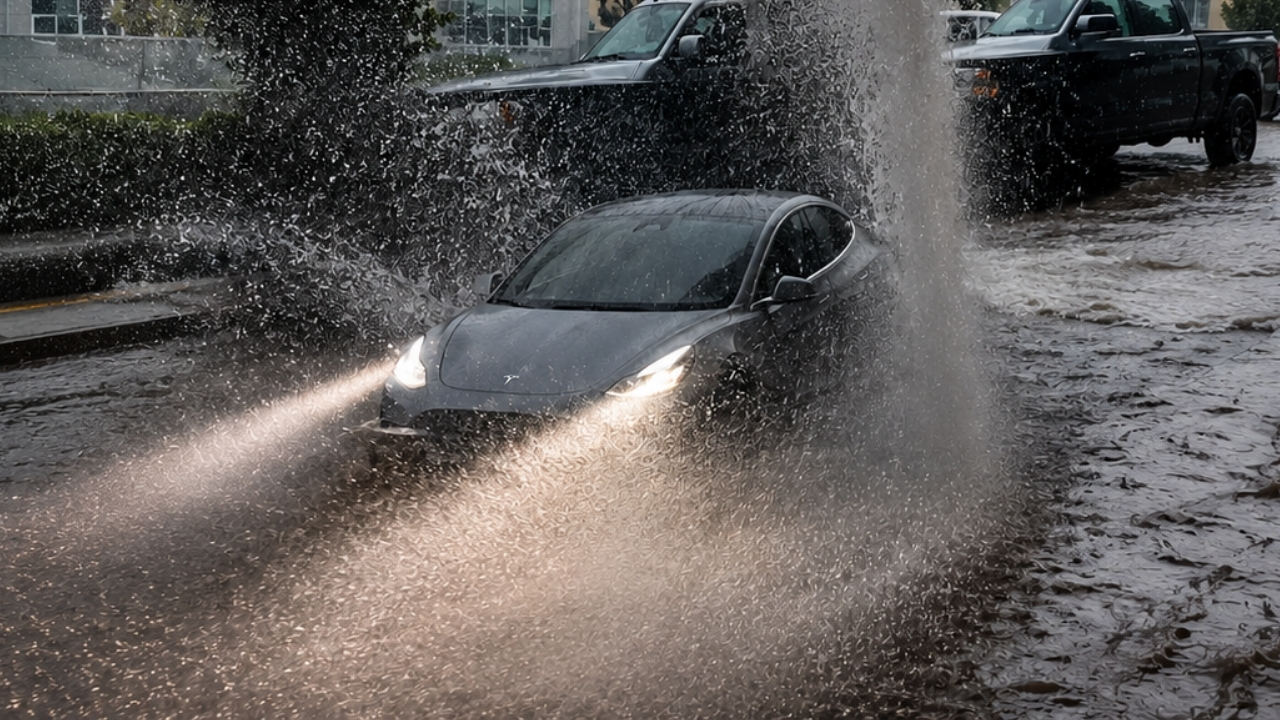
Electric and hybrid cars receive flood warnings: brands limit crossing to 20 or 30 cm, recommend up to 10 km/h, and warn that water on the floor can contaminate batteries, render systems unusable, and void the warranty.
-
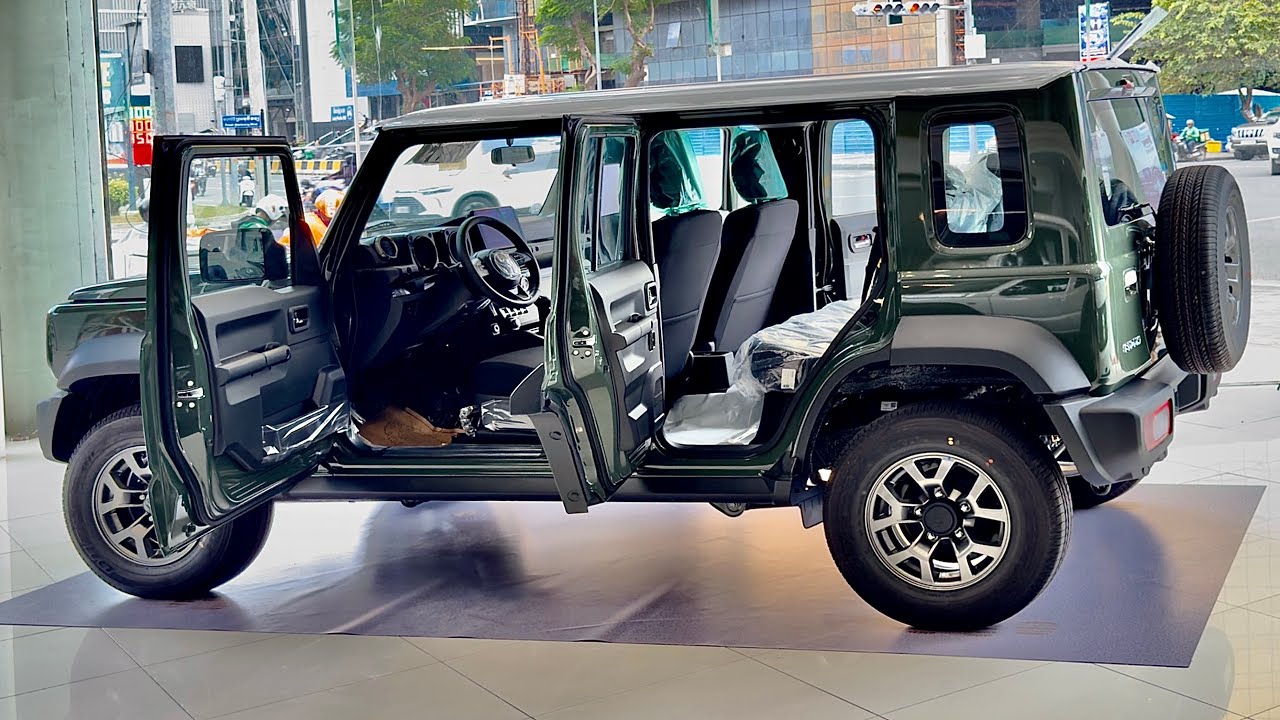
Suzuki sells a “family 4×4 SUV” with 5 doors, 1.5 engine, ladder frame chassis, 4×4 traction with reduction gear, and a price equivalent to about R$ 66,000 without taxes, below the Jeep Renegade sold in Brazil: meet the Jimny 5-Door in India.
-
Stellantis sells the “French family van” with up to 7 seats, a 100 hp diesel engine, a trunk of up to 775 liters, and a price equivalent to about R$ 153,000 without taxes, below the Tiggo 7 Pro Max Drive sold in Brazil: meet the Rifter.



In a short time, the internal plates suffer, resistance increases, and capacity drops.
The effect is silent and only appears when the car takes a long time to start or lights up warning lights on the dashboard.
Another villain is parasitic drain with the car turned off. Generic accessories, modules, and forgotten chargers drain current all night long.
Combined with days of minimal use, the battery remains chronically below ideal and starts to sulfinate.
Proper Mounting and Vibration Control
A loose battery dies quickly. If it moves in the engine compartment, the plates crack and the casing suffers.
The first step is to check the support: the base should be level, the clamp correct, and the tightness firm, without over-tightening to avoid cracking.
Those who drive on bumpy streets or dirt roads should add a rubber mat under the battery.
Avoid makeshift solutions with wood, foam, or scrap. The idea is to reduce vibration, not create gaps or tension points.
Charge the Right Way and Allow Time to Recharge
The alternator maintains, it does not recover a weak battery on short trips.
Going out every day and driving 5 to 10 minutes is a recipe for chronic low charge.
Include at least one or two weekly trips of 20 to 30 minutes, preferably on open roads, to complete the charge.
If the car is parked, use a smart charger or maintenance charger.
It monitors the voltage and replenishes energy safely, avoiding overcharging and preserving the battery for much longer.
Connections, Terminals, and Periodic Cleaning
Greenish or whitish crust on the terminals robs energy and forces the system.
Clean the terminals and clamps until shiny, replace corroded terminals, and apply electrical grease to prevent new oxidation.
Cracked or loose cables should be removed.
The top of the battery needs to remain clean and dry.
Dirt and moisture create current leaks between the terminals, causing discharge even with the car stopped.
Clean with a mild solution, dry thoroughly, and avoid jets of water or degreasers.
Heat, Insulation, and Operating Temperature
The battery’s biggest enemy is heat. It evaporates electrolyte, deforms plates, and increases internal resistance.
Parks under strong sunlight for long periods and driving in heavy traffic with a heated engine compartment puts the battery in thermal stress.
The solution is twofold: install a specific thermal cover when the car’s design allows and seek less severe exposure conditions.
After long trips, check the thermal feeling around the battery and assess if protection is necessary.
Accessories and Parasitic Drain Beyond Limits
The battery can drain with the car turned off when there is parasitic drain above normal.
Cameras, LED strips, USB chargers, and poorly installed sound systems pull current 24 hours. Remove suspicious accessories and test the circuit.
To check, use a multimeter in series on the negative cable and close doors and interior lights.
If the current is high, remove fuses until the value drops and isolate the circuit that is draining energy.
If in doubt, request a parasitic drain test at a workshop.
Annual Battery Test and Health of the Charging System
Preventing is cheaper than calling a tow truck. Measure the resting voltage and, most importantly, perform a load test to know the real capacity.
Save results to track progress over time and act before a breakdown.
With the engine running, check the voltage at the terminals.
Low values prevent full charge and high values cook the battery. Noises from the alternator, slipping belts, loose wires, or warning lights on the dashboard require immediate diagnosis.
Correct Chemistry and Use Compatible with the Need
Not all batteries are the same. In simple daily use, a conventional lead-acid type of good specification works well.
In cars that are parked for long periods, have many accessories, or high current demand, AGM batteries offer greater robustness, accept deeper discharges, and recharge faster.
Attention to group specifications, dimensions, and CCA.
Getting the size or starting current wrong strains the alternator and shortens lifespan. Never mix different types without checking the compatibility of the charging system.
Avoid Deep Discharges and Recover the Right Way
Taking the battery below 12.0 V accelerates sulfation. Below 11.5 V, the loss of lifespan becomes severe. Don’t try to “compensate” by just going out for a drive.
Complete the charge with a smart charger and return to the appropriate resting voltage.
If the battery is dead, recover it using the reconditioning mode of the charger.
Avoid jump-starting or using the alternator to “save” the battery, as this overloads the system and can cause greater damage.
Keep Cool, Organize the Compartment, and Plan Preventive Replacement


A cool and ventilated environment favors the battery. Avoid long idling under extreme heat and ensure that the car’s cooling system is up to date.
In designs that allow relocation, specific kits in the trunk help reduce operating temperature.
Don’t wait for a breakdown. Replace preventively around six to seven years, record the installation date, and maintain a routine of tests to reduce the risk of unforeseen events and preserve the alternator and starter motor.
A healthy battery is the result of habits, diagnosis, and thermal protection, not luck. Which of these care tips do you already follow for your car and which do you plan to adopt today for your battery to last longer?








EU COLOQUEI UMA BATERIA MOURA DE 60 NO MEU CARRO E ELA DUROU 8 ANOS, 4 MESES E UMA SEMANA.
.