






 Portuguese
  Spanish
 3 min of reading



Detro-RJ (Department of Road Transportation of the State of Rio de Janeiro) conducted intense inspection operations during Carnival, resulting in 483 fines applied to vehicles on the highways.
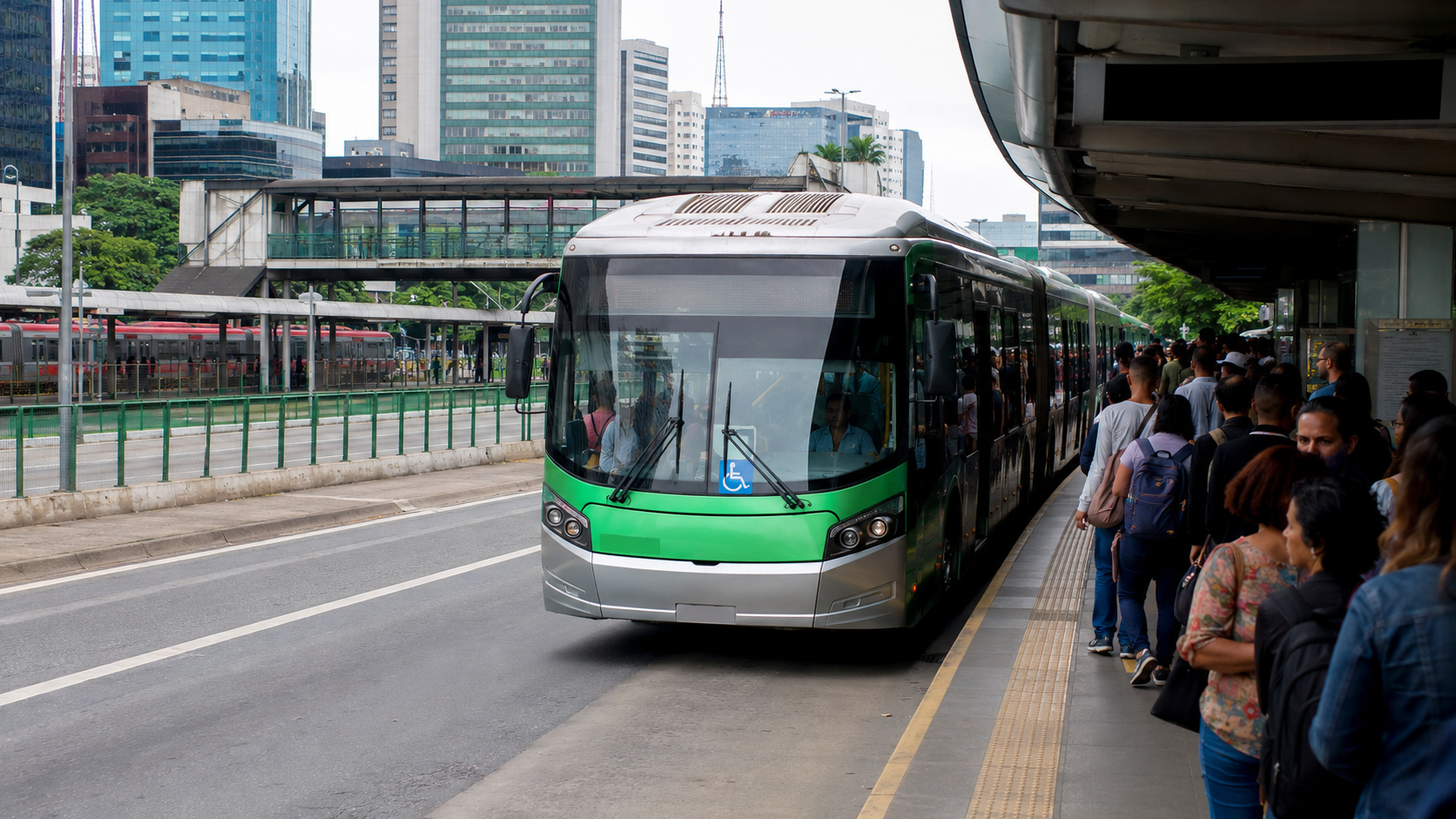
The road fines included 324 citations for intercity buses, 120 for vans, and 39 for illegal passenger transportation. The main irregularity detected in buses was the noncompliance with the schedule, in addition to poor maintenance and accessibility issues.
For vans, route deviations and overcrowding were the main identified problems. In comparison to January, when 238 citations were registered for the intercity fleet in Rio, February saw a significant increase in numbers. The cities that suffered the most from penalties were Rio de Janeiro, Nova Iguaçu, Niterói, São Gonçalo, and Duque de Caxias.
Detro-RJ urges the public to contribute by reporting possible irregularities through the channels: email (ouvidoria@detro.rj.gov.br) or phone (21) 3883-4141. The information is essential for directing the agency’s actions.
-
Why can the crane operator only obey the correct signalman on the construction site: among dozens of workers, a hand raised by the wrong person can confuse the maneuver and turn a load of tons into an immediate risk.

-
What changes with the new public transportation rules that can reduce pressure on fares and pave the way for zero fare in Brazil?
-
Driver who “holds” the left lane can receive a hefty fine and 4 points on their driver’s license even if they think they are going at the correct speed for the road.
-
São Paulo Government puts R$ 343 million on the table and releases 31 km of duplication, 9.84 km of third lanes, 4 reinforced viaducts, and 8 grade-separated returns.




How to Avoid Road Fines
Changes in traffic law make it more important for drivers to always pay attention to the points of the National Driver’s License. Staying aware of the CNH points is essential to avoid traffic fines. If you have had or currently face issues with traffic violations, there are ways to reduce the risk of getting points on your driver’s license.
Although it seems simple, keeping the car documentation updated is fundamental. According to the law, paying IPVA, licensing, and transfer within deadlines avoids fines and points on the driver’s license.
However, one must also be careful with speed. Driving above the permitted speed limit is a serious violation that incurs seven points on the license and a fine of R$ 293.47. Data from the Federal Highway Police (PRF) indicate that over 2 million Brazilians were fined for speeding in 2022.
Therefore, it is recommended that the driver always remains calm at the wheel and respects the established speed limits. If exceeding up to 20% of the permitted speed, one will be fined four points on the license and a fine of R$ 130.16. Driving can be fun, but it also requires responsibility.
Wearing a seatbelt is mandatory for all passengers, even for short trips. The violation for not using the belt incurs a fine of R$ 195.23 and five points on the National Driver’s License (CNH).
The cell phone can be useful for finding better routes, but its use while driving is considered a serious violation. The offender may receive seven points on the CNH and may have to pay a fine of R$ 293.47. When parking the vehicle, check if the signs in the area allow stopping there. Stopping in a prohibited location incurs a fine of R$ 195.23 and five points on the CNH. Thus, it is important to observe the signs before parking the car.
Traffic Fine Amounts (Updated Table)








Be the first to react!