Portuguese
  Spanish


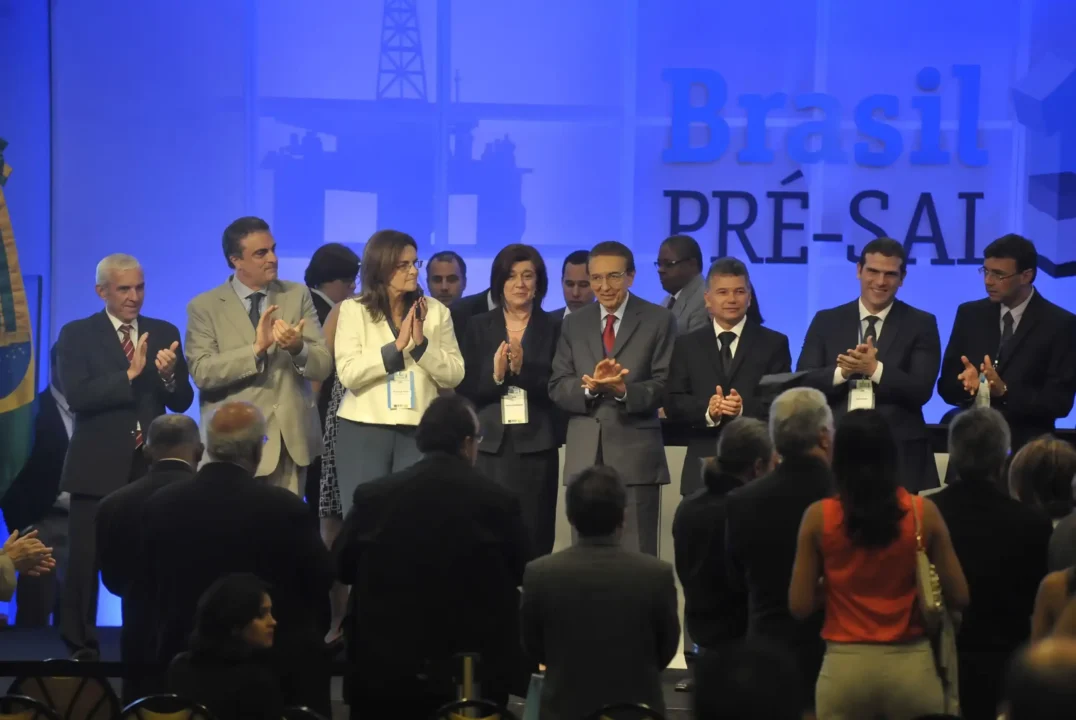

Oil and Gas | Oil Companies Await Major Discoveries in Exploration Blocks. Potential for Discoveries and Viability of Production Are the Focus.
The search for winning lottery tickets in the exploration blocks of the pre-salt is in the spotlight, as Petrobras chose not to participate in the auction scheduled for this Wednesday (12/13). This will be the first auction under the production-sharing regime without the presence of Petrobras, which draws attention to potential interested parties in the search for winning lottery tickets.
Large multinational companies are keeping an eye on the search for winning lottery tickets in the exploration blocks of the pre-salt. The disinterest of Petrobras opens space for new competitors, and the attempt by multinationals to search for the winning lottery tickets during the auction will be closely monitored.
Major Multinationals Try to Search for Winning Lottery Tickets in Pre-Salt Auction
The search for winning lottery tickets: this term was used by former Petrobras president, José Sergio Gabrielli, when referring to the exceptional geological potential of the pre-salt. It’s no wonder, since the state-owned company made important discoveries in the pre-salt, such as the three largest producing fields in the country today: Mero, Búzios, and Tupi, all located in the Santos Basin, but contracted under different regimes (compulsory transfer, sharing, and concession).
-
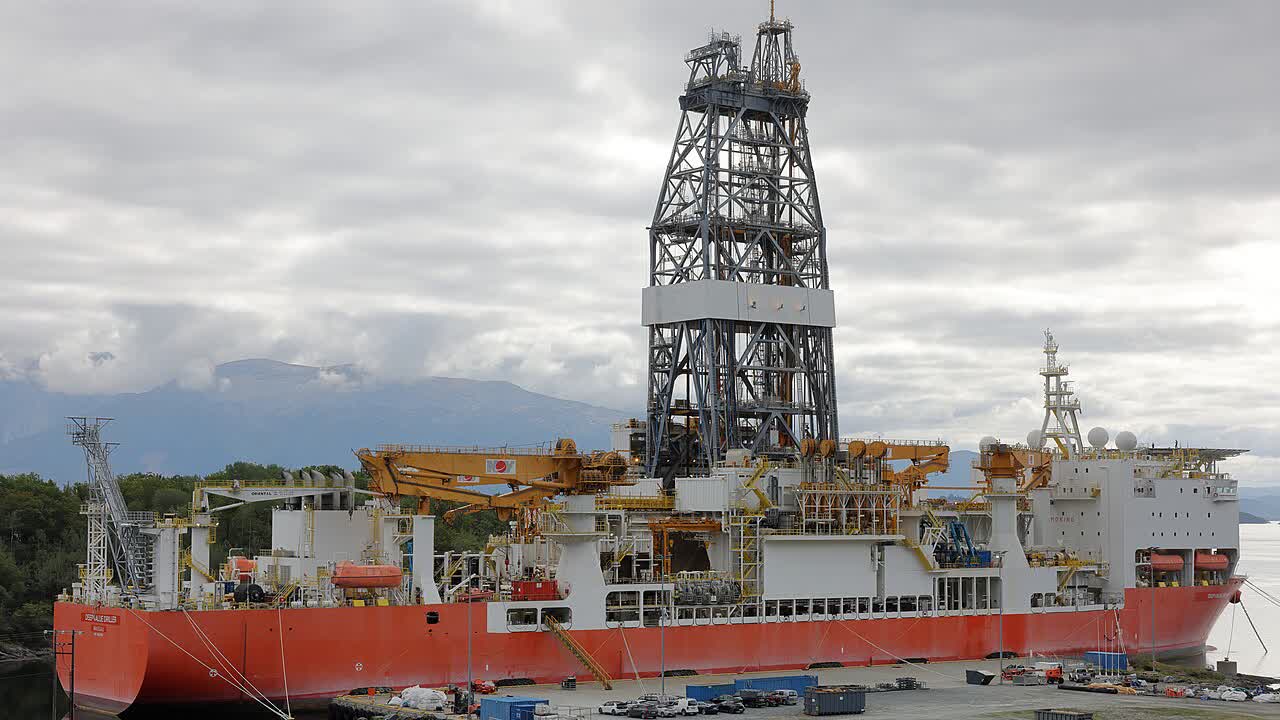
Qantas and Airbus Invest in Company Aiming to Convert Unsorted Household Trash into Jet Fuel

-
Brazil’s ANP Opens 86 New Oil Blocks in the Equatorial Margin, Expanding the Amazon River Mouth Frontier

-
OPEC+ Boosts Oil Supply by 188,000 Barrels per Day in July 2026, Leading to Price Drop from $112 to $89 per Barrel in Under Two Months

-
TotalEnergies Signs 20-Year Deal to Purchase 2 Million Tons of LNG from Alaska, Boosting Project Viability




Auction of Blocks Concludes This Month
The winning lottery ticket continues to attract the attention of large oil multinationals, which entered the sharing sector after the reforms made during Michel Temer’s government, but are still waiting to announce a major commercial discovery in the region.
This auction, which will involve six companies — five operators and one as a non-operator —, will offer the areas of Cruzeiro do Sul, Esmeralda, Jade, and Tupinambá, in the Santos region.
Major Discoveries and Field Production Attract Multinationals
The sharing operations have attracted major oil multinationals looking to achieve significant discoveries and viability of production, as is the case with the Mero field, which has established itself as the third largest producer in the country.
Moreover, the pre-salt region still presents potential for discoveries, which is reflected in the actions of companies at the pre-salt auction, such as bp, Chevron, CNOOC, CNPC, Equinor, ExxonMobil, Shell, TotalEnergies, and Qatar Petroleum.
As a result, the auction is expected to shed more light on the viability and production potential of the oil areas that will be offered.
ANP Does Not See Weakening of Competition with Absence of Petrobras
The National Agency of Petroleum, Natural Gas and Biofuels (ANP) assures that Petrobras’ absence does not weaken competition in the auction, despite the state-owned company having faced criticism in the past for previously exercising its right of preference in the sharing.
Meanwhile, the absence of areas offered by Petrobras during the auction opens the way for a new chapter in the search for winning lottery tickets, with a variety of oil fields available in the sharing auction.
New Areas in Auction in Lula’s Third Term
The upcoming auction marks a milestone in Lula’s third government, with the offering of oil areas. This initiative even strengthens the criticism from environmentalists opposed to the expansion of the oil and gas frontier in Brazil and its impact on the emissions balance, especially with Brazil’s adherence to OPEC+.
Therefore, we are facing a context of great expectation regarding the potential for new oil discoveries at the promoted auction, which reflects the intense exploratory campaigns, especially in the Santos Basin.
Opportunities for Discoveries and Oil Production on the Sector’s Radar
According to consultant and former ANP director Felipe Kury, exploratory campaigns are still ongoing, opening opportunities for large volumes of oil discoveries.
One area that has attracted a lot of attention is the Aram block in the Santos Basin, which has great potential to secure a new significant discovery that contributes to the expansion of oil production.
Reality of Risks and Recent Results of the Campaigns
The exploratory environment of the pre-salt, however, is not without risks, as shown by recent exploration campaigns. This is the case of the Dois Irmãos block in the Campos Basin, acquired in the 4th sharing round but returned in 2022 after failing to announce significant discoveries.
The same occurred with other blocks, such as Peroba, Saturno, and southwest of Libra, which were returned, reflecting the uncertainties and challenges of exploratory campaigns in Brazil. In addition, there are pending issues in other blocks that are still awaiting the availability of evaluation data and that keep the expectation regarding potential significant discoveries.
Therefore, the pre-salt scenario continues to spark interest and effort from companies looking to overcome challenges and secure discoveries capable of sustaining oil production in Brazil. This is the context in which the winning lottery ticket operates, whose search continues to drive the oil sector in the country.
Source: EPBR