






 Portuguese
  Spanish
 3 min of reading
  1 comment


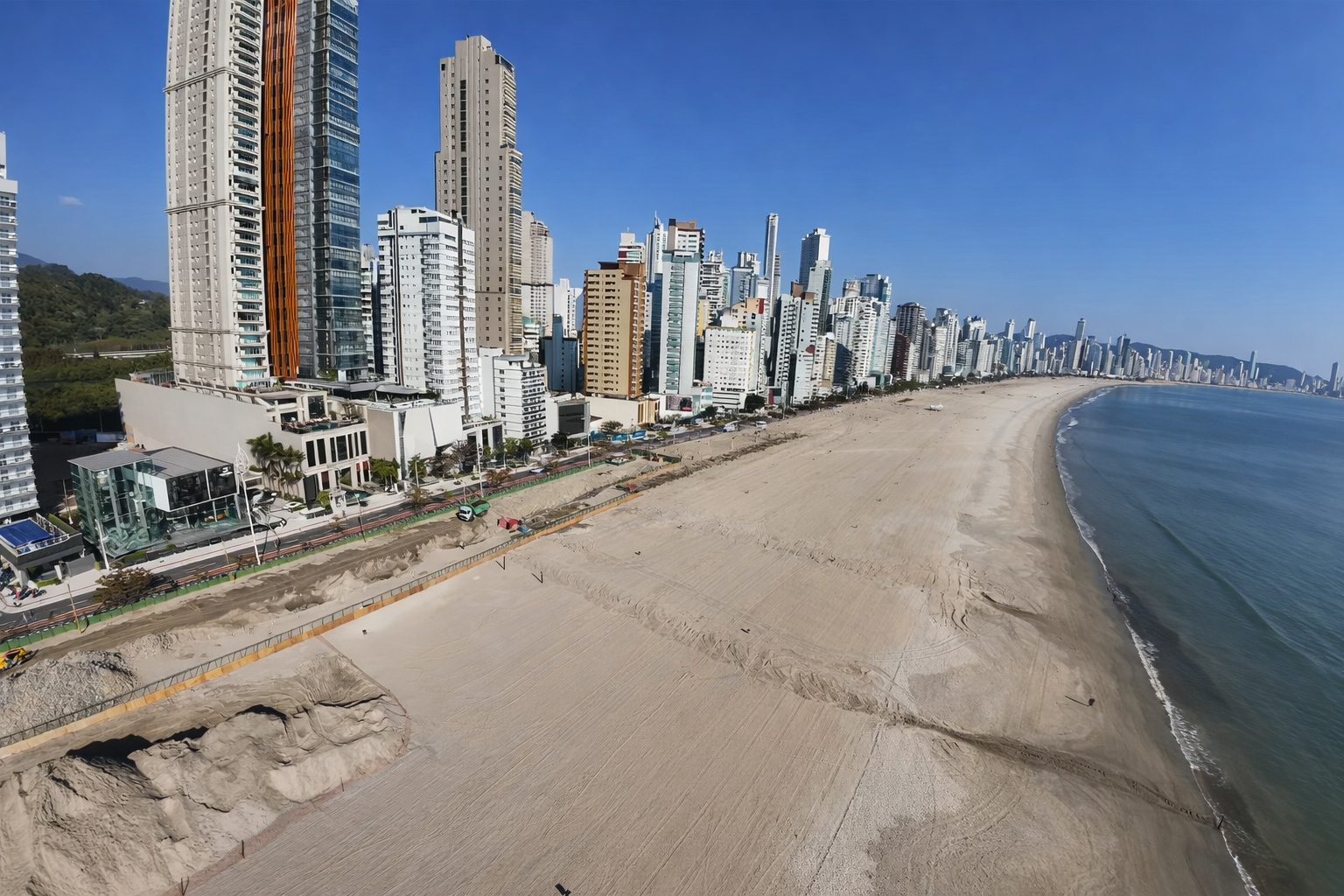


Technical Project Bets on Buried Coastal Engineering to Protect the Beach in Santa Catarina, Ensure Urban Safety, and Maintain the Balance Between Tourism, High-End Real Estate, and Environmental Preservation
A highly relevant environmental and economic urban intervention was recently authorized in Balneário Camboriú, attracting national attention.
The city hall approved the construction of a subterranean containment wall under the Central Beach, aimed at stopping the advance of the sea and reducing coastal erosion.
The initiative arises, above all, as a technical response to the impacts recorded after the widening of the beach completed in 2021.
Since then, recurring episodes of high tide and swells have caused flooding and soil instability, requiring a long-term structural solution.
Technical Project Defines Buried and Invisible Structure on the Beach
The proposal establishes that the wall will be entirely buried under the sand, with no visual impact for residents or tourists.
According to technical parameters adopted by the municipality, the structure will be approximately two meters deep.
Additionally, reinforced concrete and stone base will be used, chosen for their high resistance to saltwater.
In this way, the containment acts directly against the infiltration of tides while preserving the seaside landscape.
Swells After 2021 Accelerated the Adoption of a Structural Solution
After the widening work was completed in 2021, the behavior of the sea showed more intense effects during periods of swell.
As a result, puddles, ditches, and waterlogged areas became frequent, especially in sections close to the boardwalk.
In light of the increase of these episodes throughout 2022, 2023, and 2024, the city hall decided to move forward with a definitive solution.
Thus, the subterranean wall was chosen as an alternative capable of protecting the urban space, tourism, and high-end real estate in the region.
-
To halt the advance of the Sahara, the 8,000 km Great Green Wall in the Sahel relies on reforestation to combat desertification, but by 2026 it remains far behind the goal of 100 million hectares.

-
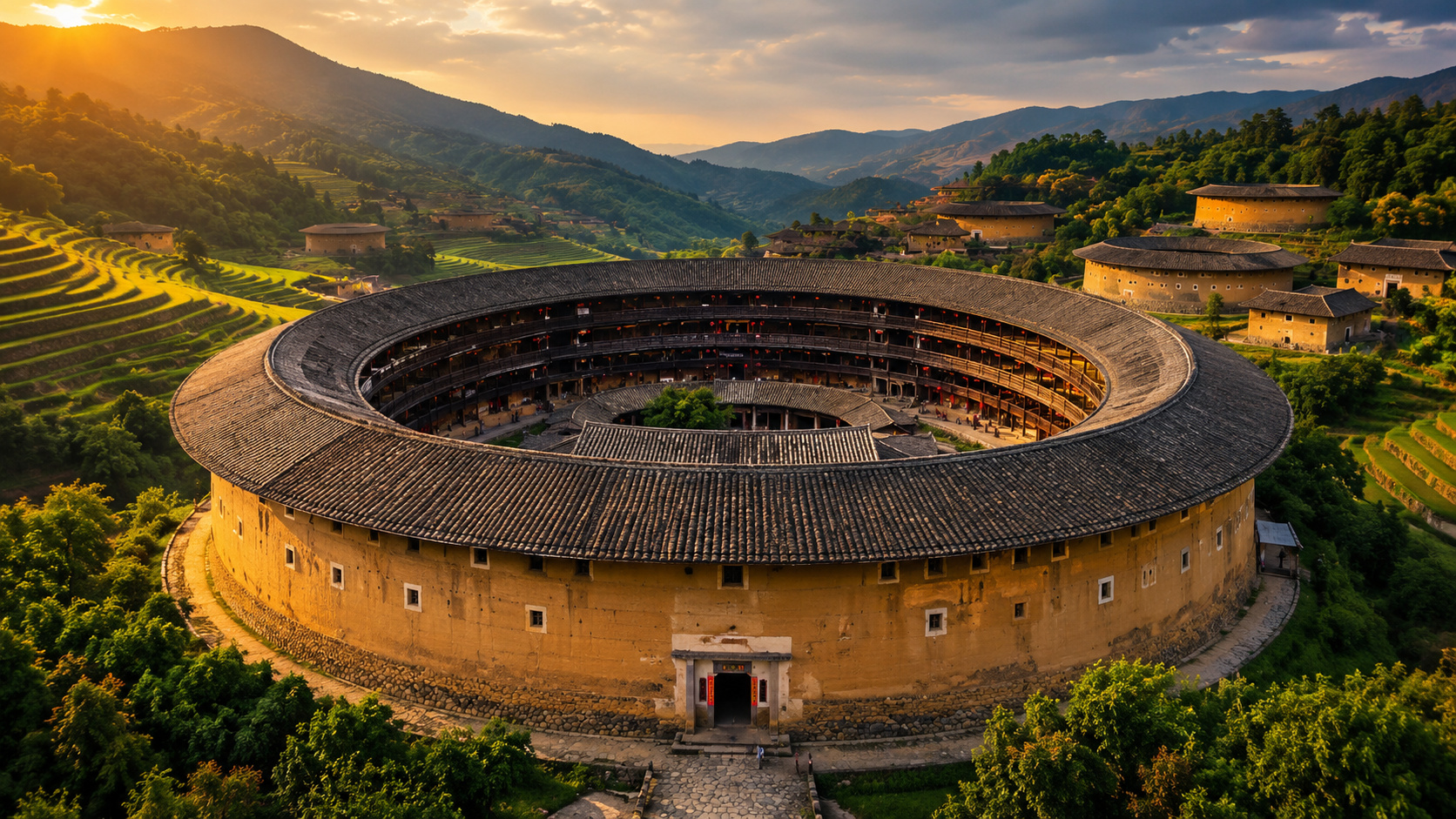
Long before sustainable construction became a trend, China built earthen fortresses with multiple floors, a central courtyard, and the capacity to house up to 800 people living in a community.

-
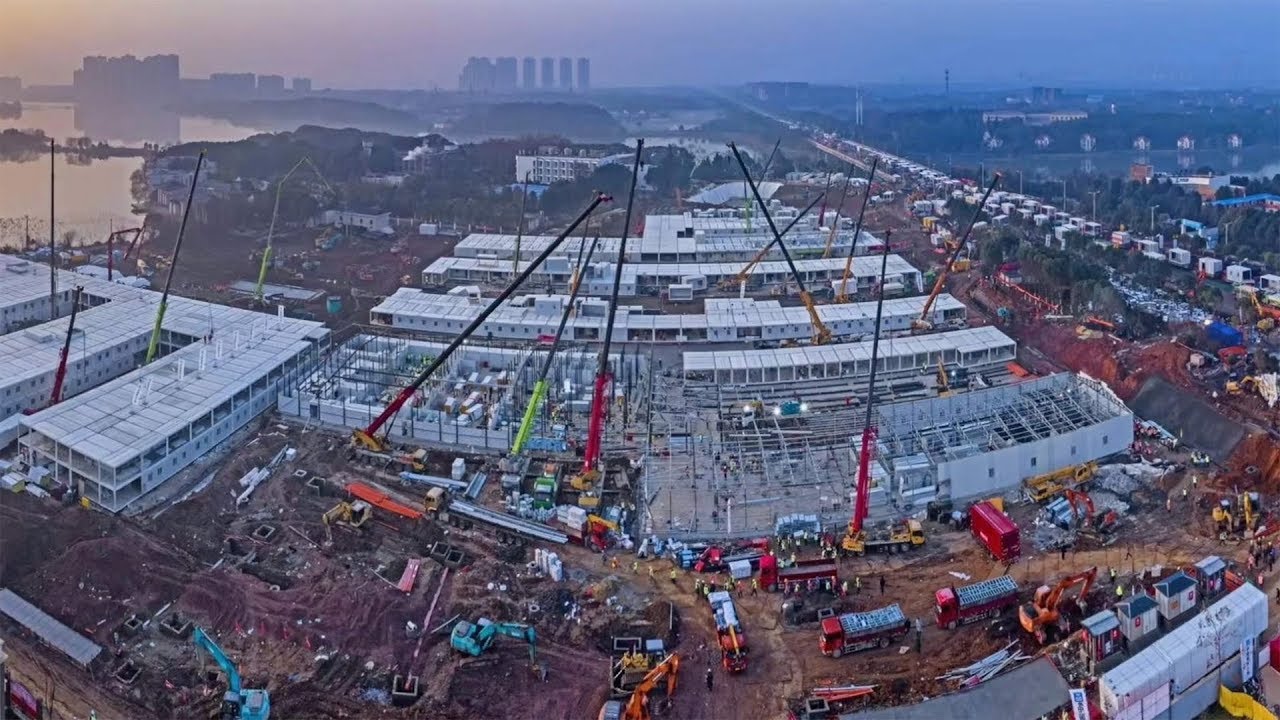
While in the rest of the world building a hospital takes years from design to inauguration, China erected the Huoshenshan Hospital from scratch in just 10 days, with 1,000 beds, foundation, structure, electrical installations, plumbing, and oxygen system ready to receive patients, mobilizing 7,000 workers.

-
Without mortar, grout, or traditional construction: the ClickBrick system assembles brick facades with ceramic pieces held by metal clips, eliminating the need for glue, speeding up installation, and even allowing everything to be dismantled later without turning the construction into expensive permanent debris.


The Work Integrates Seaside Reurbanization and Climate Adaptation Strategy
Besides the function of maritime containment, the work is part of a broader seaside reurbanization project.
The plan includes improvements to the boardwalk, bicycle paths, leisure areas, public lighting, and landscaping.
According to the City Hall of Balneário Camboriú, the intervention seeks long-term safety in light of the rising sea levels associated with global climate change.
Thus, the proposal combines coastal engineering, urban enhancement, and environmental protection.
Central Beach Sustains Tourism, Real Estate Market, and Local Economy
Currently, Balneário Camboriú is recognized as one of the most luxurious cities in Brazil, concentrating some of the tallest residential buildings in Latin America.
During the high season, the floating population exceeds one million people, putting pressure on infrastructure and services.
Therefore, the preservation of Central Beach is considered strategic for tourism, the real estate market, and municipal revenue.
Any significant reduction of the beach could, therefore, have direct impacts on property values and the local economy.
Coastal Adaptation Advances, but Does Not Replace Environmental Policies
Coastal management experts emphasize that containment works do not replace long-term environmental policies.
Still, they function as adaptation measures in the face of an increasingly challenging climate scenario.
With the subterranean wall, Balneário Camboriú bets on technical planning, urban engineering, and environmental prevention to protect its main landmark.
To what extent should coastal cities invest in large adaptation works to ensure urban development without compromising environmental futures?





This is utter nonsense.