






 Portuguese
  Spanish
  5 min of reading
  0 comments


Wienerberger presents mortarless brick in ClickBrick as a circular dry stacking system for facades, without glue, with quick and easy installation. The solution uses ceramic pieces, substructure, and fastening components to create reassembleable facades, expanding possibilities for architects and reducing the logic of permanent debris in construction.
The mortarless brick has moved beyond being just an experimental idea and has emerged as an industrial solution for facades. In the ClickBrick system by Wienerberger, ceramic pieces are assembled dry, without the use of mortar or glue, in a proposal aimed at dismountable and reassembleable facades.
The technology does not involve a common structural wall made of traditional masonry, but rather a facade system. According to Wienerberger, ClickBrick is part of their facade solutions and combines ceramic product, substructure, and fastening components to facilitate installation, maintenance, and project possibilities.
ClickBrick proposes a dry-assembled brick facade
ClickBrick is presented by Wienerberger as a circular dry stacking brick system. The company claims it can be applied without mortar or glue, which changes the traditional logic of laying piece by piece with mortar.
-
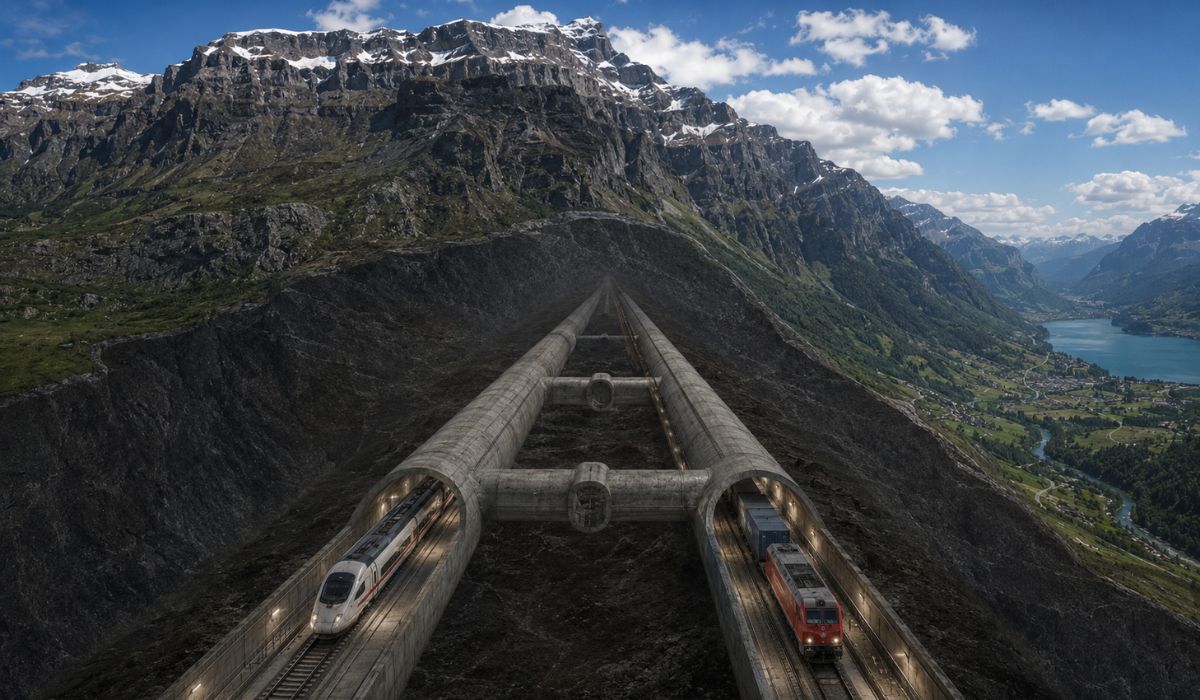
Switzerland took 17 years to tear through the Alps and build the world’s largest railway tunnel, a 57.1 km passage under 2,300 meters of rock, with 50 °C heat and 28.2 million tons excavated to connect the north to the south of Europe.

-
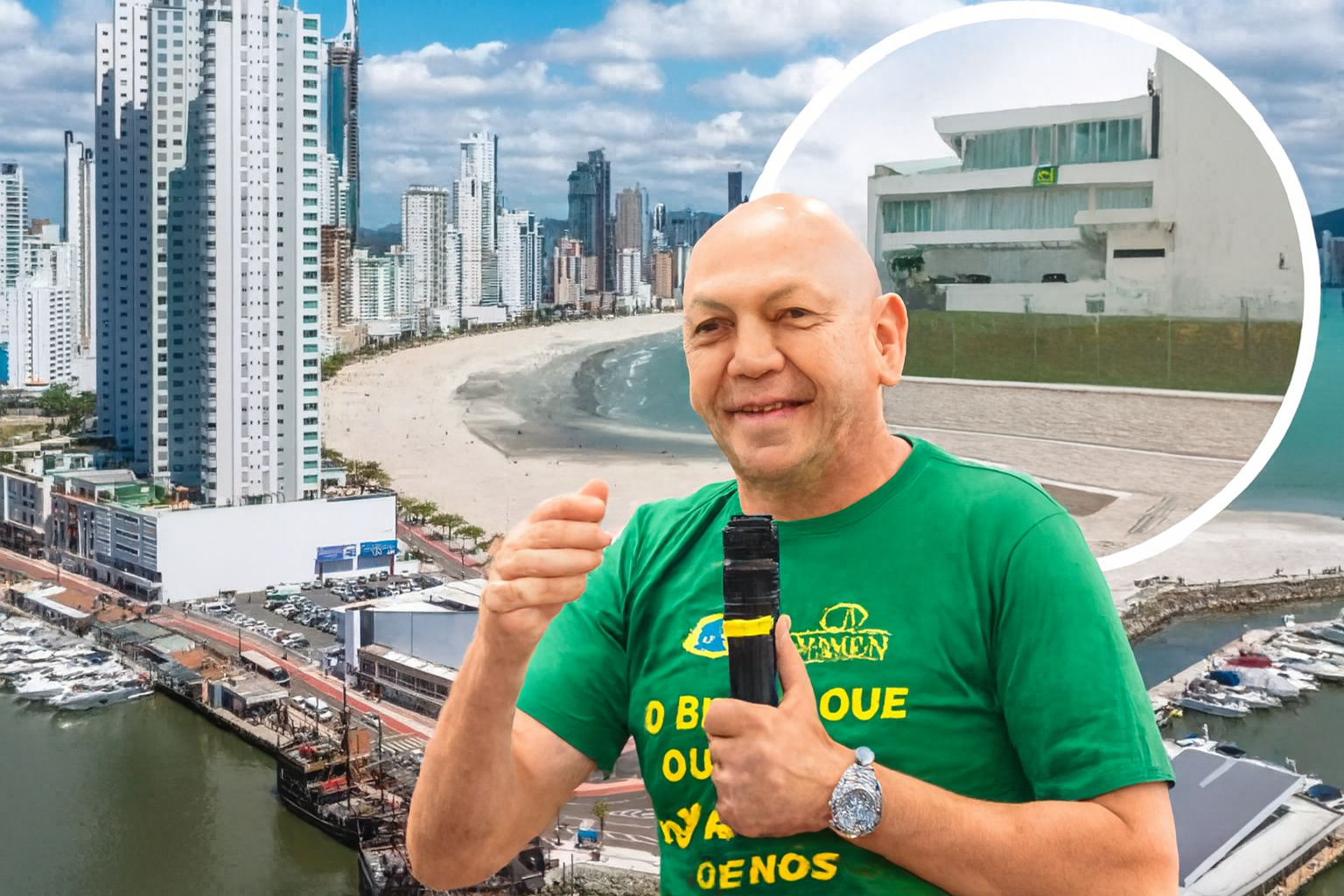
With 1,415 m², a frontal view of the sea, and surrounded by skyscrapers, the mansion worth R$ 140 million bought by Luciano Hang is the last standing residence on the waterfront of the ‘Brazilian Dubai’ in Balneário Camboriú.

-
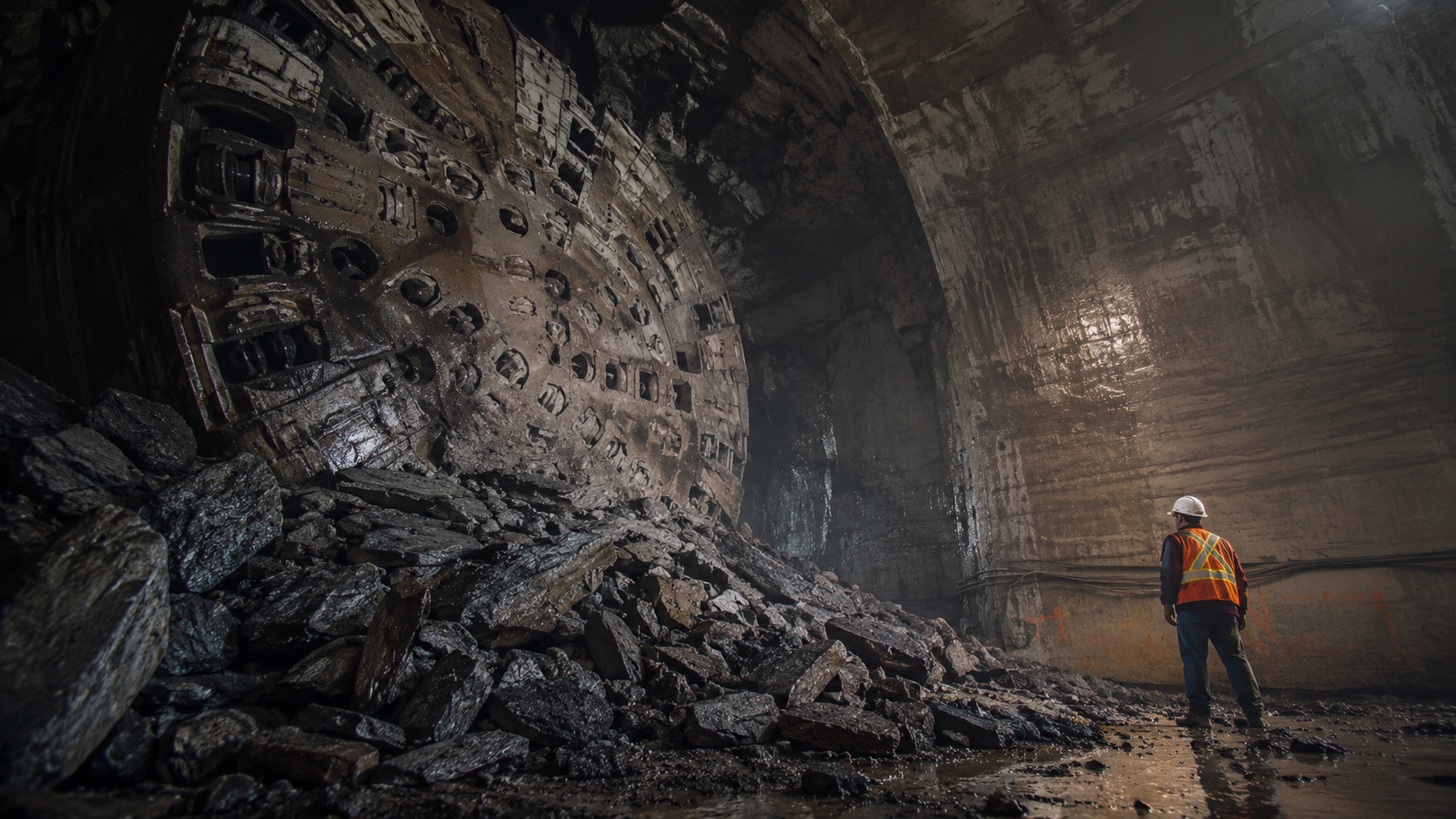
“Big Becky,” the 4,000-ton steel monster with the height of a four-story building, spent five years tearing through 10.2 km of solid rock beneath Niagara Falls to divert the river’s force and generate clean energy for 160,000 homes.

-
Luciano Hang buys for R$ 140 million the last mansion standing on the beachfront of the “Brazilian Dubai”: a 1,415 m² property with a front view of the sea, surrounded by skyscrapers in one of the most valuable square meters in the country, in Balneário Camboriú.

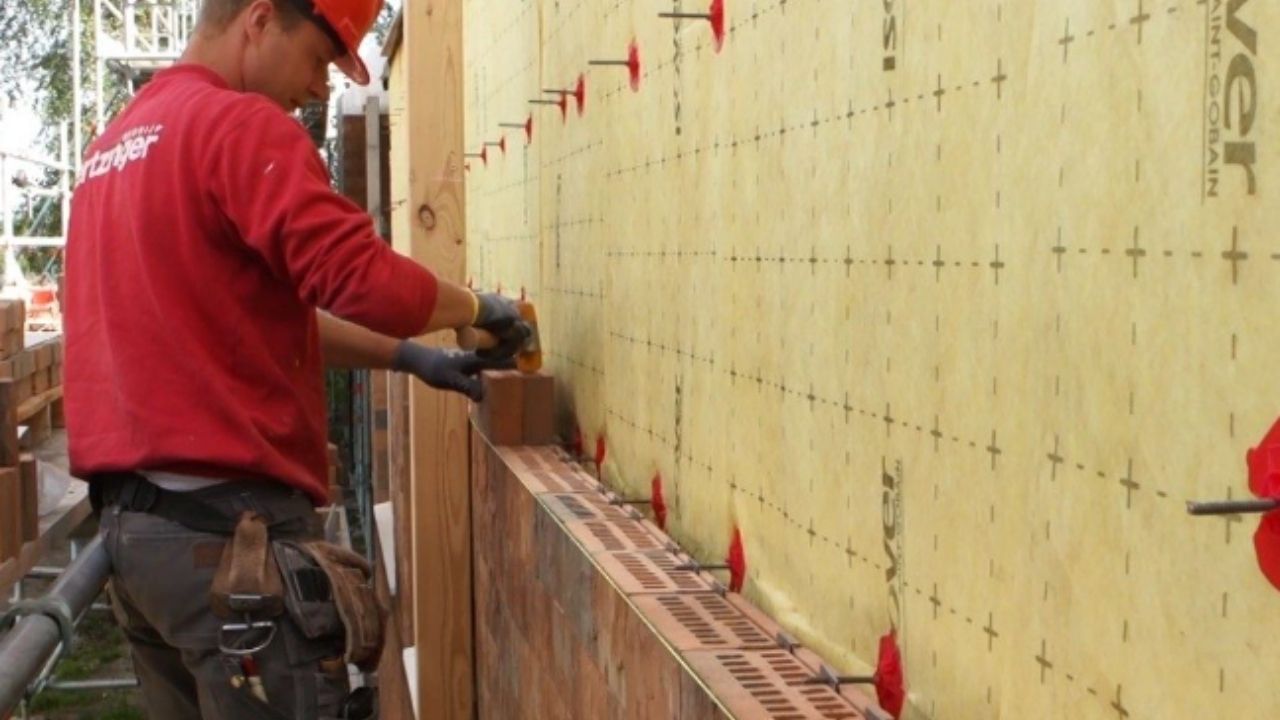
In practice, the proposal of the mortarless brick lies in the assembly of ceramic facades with mechanical fitting and fastening. Instead of relying on a permanent joint, the facade functions as a technical set that can be assembled, disassembled, and reused more easily.
System targets circular construction and reassembleable facades
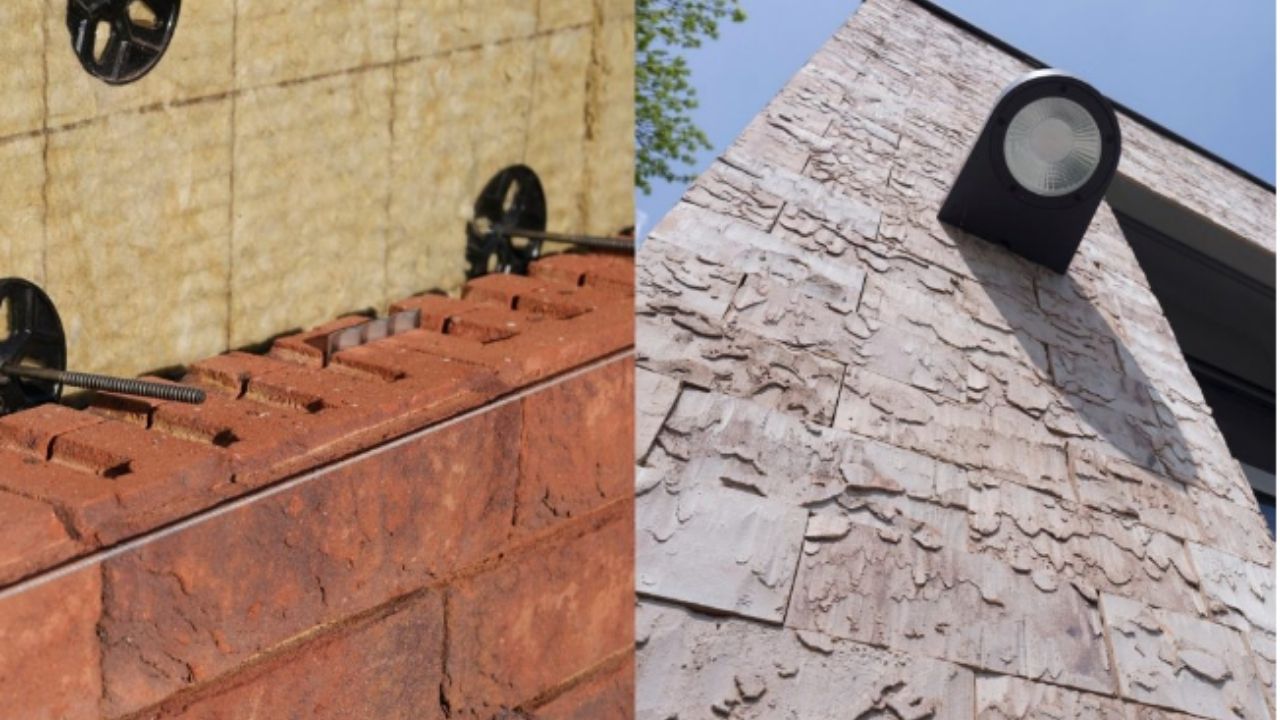
One of the central points of the solution is circularity. Wienerberger describes ClickBrick as a 100% circular system, designed to build facades that can be dismantled and reassembled, rather than being stuck in the logic of permanent disposal.
This concept is important because construction usually generates a large volume of waste when renovations and demolitions require breaking glued, laid, or permanently fixed materials. When a facade can be dismantled, part of the material stops becoming immediate waste and gains the potential for reuse.
Without glue and mortar, installation tends to be simpler
The manufacturer claims that building with ClickBrick is quick and easy, without the need for mortar or glue. It also highlights that no specific expertise in bricklaying or traditional bonding patterns is required.
This does not mean that the construction dispenses with technical planning. Facades require design, compatibility with the structure, load assessment, correct fixation, and compliance with local standards. Even so, the brick without mortar reduces steps associated with the conventional method and can simplify assembly in suitable projects.
Fixation components replace the logic of the traditional joint
In Wienerberger’s material, the facade system solutions include substructure, fixation components, and the ceramic product itself. In the case of ClickBrick, this logic allows the facade to be assembled dry, without relying on the permanent union made by mortar.
This is the point that differentiates the system from common exposed masonry. The aesthetics remain linked to the ceramic brick, but the assembly performance depends on a technical facade solution, not just the mortar between the pieces.
Architects gain new design possibilities
Wienerberger states that ClickBrick offers new possibilities for architects to design buildings and facades with lasting value. The system appears alongside other company solutions, such as Corium, Argeton/Argelite, and SVK fiber cement panels.
The architectural appeal lies in maintaining the appearance of a ceramic facade, but with a different assembly method. For contemporary projects, this can mean design freedom, choice of finish, and reduced reliance on traditional laying techniques. The brick becomes part of an industrialized system.
Ceramic material maintains visual appeal of traditional facades
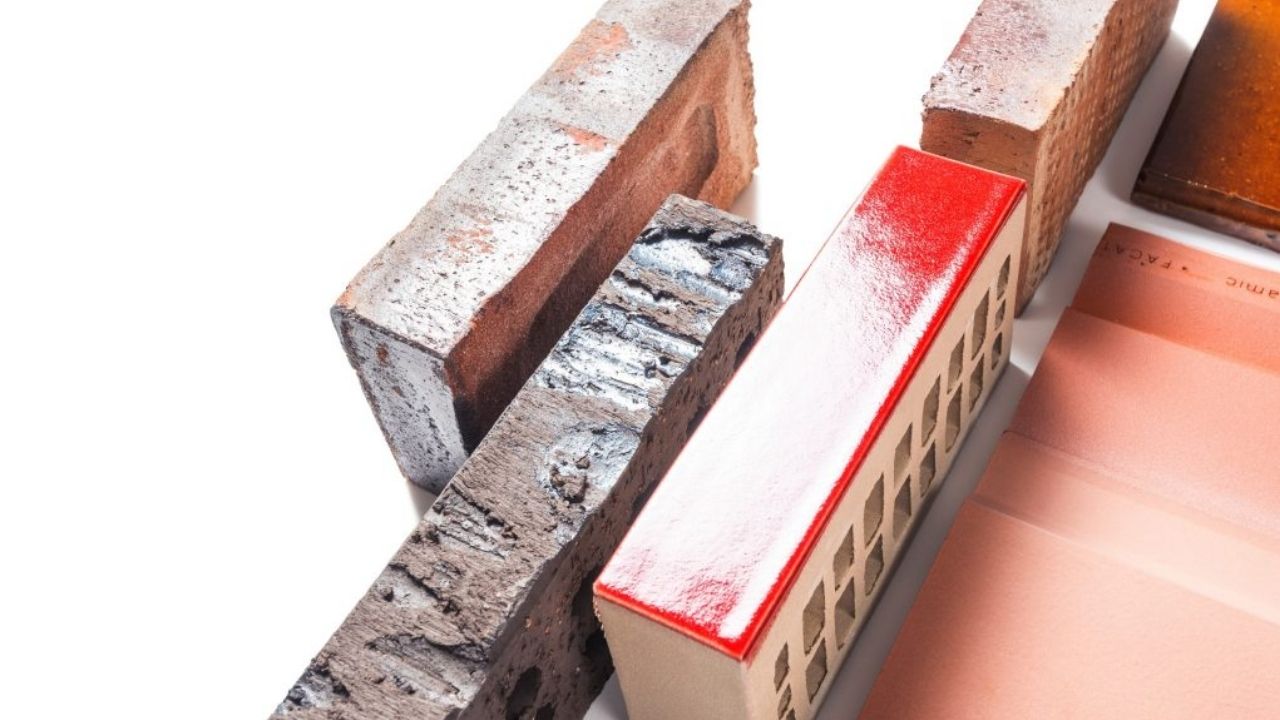
Wienerberger highlights that exposed bricks are used in both historical buildings and contemporary architecture. The company also states that fired ceramic bricks are durable, have stable colors, and require little maintenance over time.
In ClickBrick, this visual repertoire is combined with the concept of dry assembly. That is, the facade maintains the language of the brick but tries to respond to current demands for speed, disassembly, and circularity. The result targets those who want a traditional appearance with a more flexible construction logic.
System should not be confused with common masonry
The term brick without mortar may attract attention, but it needs to be understood within the correct context. ClickBrick is described as a facade solution, not as a generic replacement for all structural masonry walls or conventional sealing in any construction.
This distinction avoids misunderstandings. A facade can be a coating, an external skin, or a ventilated system, depending on the project. Therefore, the application needs to consider support, substructure, thermal performance, watertightness, fixation, and compatibility with the building.
Example in Coevorden shows use in public building
The source cites a new construction project for the town hall in Coevorden, Netherlands, with ClickBrick Cedarwood SP. The project is associated with the address Kasteel 1, the Rau architectenburo office, and the Strukton Bouw construction company.
This example helps to show that the system already appears in the brand’s reference projects. Still, each application depends on technical context, local legislation, and professional specification. It’s not enough to replace traditional brick with ClickBrick without evaluating the complete facade system.
Ease of Disassembly Changes the Debate on Renovation
In traditional constructions, removing a brick facade set with mortar usually involves breaking, discarding, and material loss. In dismountable systems, the promise is different: removing components with less destruction and preserving more parts for maintenance or reuse.
This change directly relates to a current concern in civil construction: reducing waste and planning buildings with a longer life cycle. The mortarless brick gains strength precisely because it combines a familiar appearance with a less definitive assembly logic.
When the Brick Stops Being Permanent and Becomes a System
The ClickBrick shows how even materials associated with tradition can enter an innovation logic. The brick remains present on the facade, but the way of assembling, fixing, disassembling, and thinking about the material’s cycle changes completely.
The practical question remains: would you trust a mortarless brick facade, assembled by fitting and fastening components, or do you still prefer the traditional method with mortar because it seems more familiar? Leave your opinion in the comments.






Be the first to react!