Portuguese
  Spanish


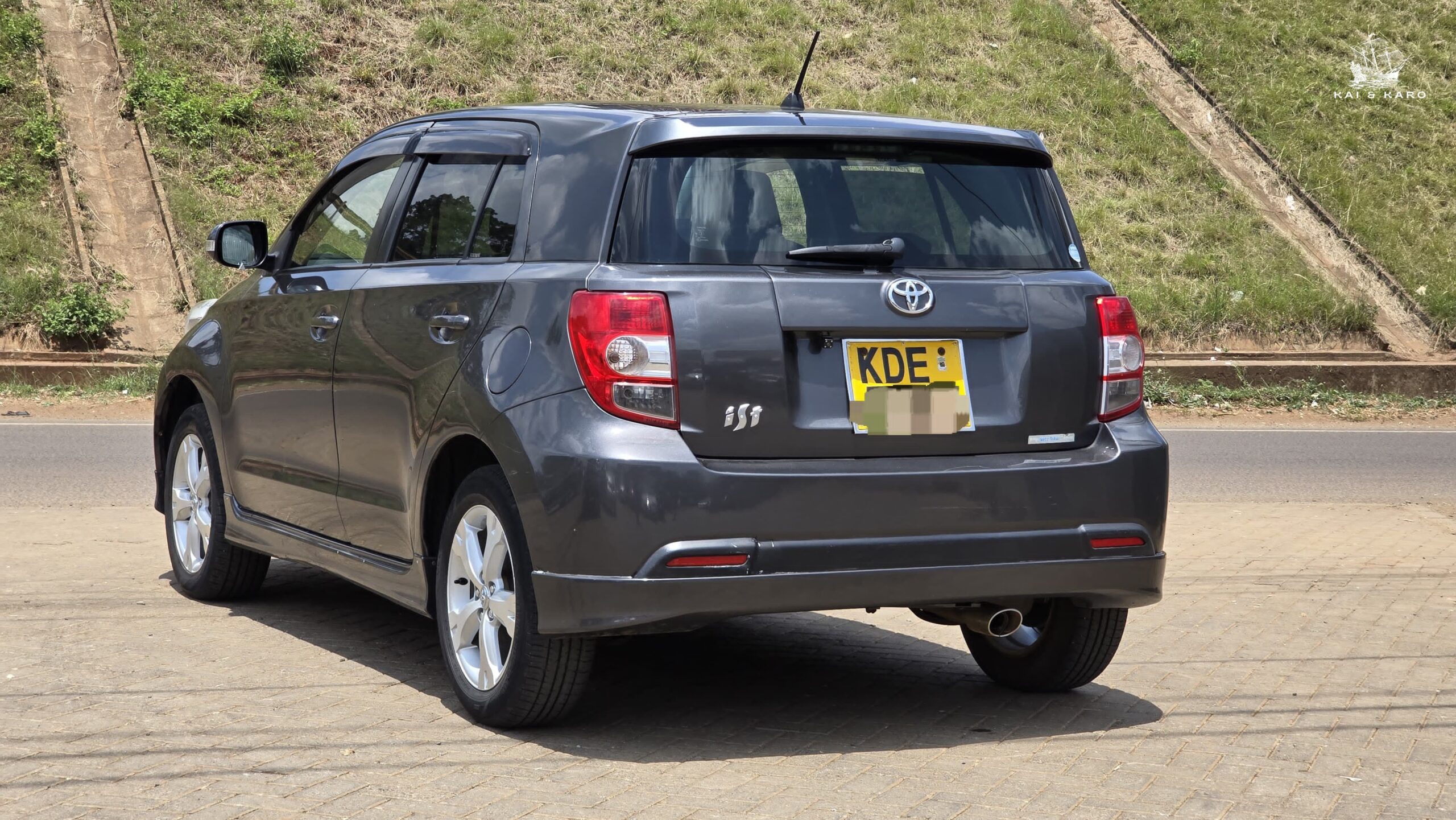


Rare Japanese Hatch Costs Around R$ 30 Thousand and Achieves Up to 16 km/l. Meet the Toyota Ist 1.3 2NZ-FE, Imported, Economical, and Famous for Its Extreme Reliability.
There are cars that go almost unnoticed in the Brazilian market, but have such solid characteristics that they become true finds for those looking for economy, durability, and a mechanical package capable of outperforming the average. The Toyota Ist is exactly that case: an imported, discreet Japanese hatch, extremely rare on the streets, and practically indestructible when well cared for.
Even though it is not officially sold in Brazil, some units arrived in the country through independent importation, and today they appear in the used market for prices ranging from R$ 28 thousand to R$ 32 thousand, which places it in the same range as much simpler and less equipped national 1.0 compacts.
The difference between them is striking. The Toyota Ist has become a “secret darling” of those who understand Japanese cars. And there are very clear reasons for that.
-
GM Developed the Chevette to Rival the Beetle, Launched it in Brazil Before Europe, Sold 1.6 Million Units, and Left a Generation with Gas Station Trauma

-
Caoa Changan CS75: New Model with 1.5 Turbo Flex Engine and 8-Speed Automatic Priced $4,000 Less in Brazil
-
Cost Analysis: Maintaining a Fiat Cronos 1.3 Drive 2026 – Parts, Taxes, Insurance, Fuel, and Maintenance

-
New Spanish Engine with Just 500cc Promises Power of 2,000cc, Is 70% Lighter, Crankshaft-Free, Seeks $14 Million to Exit Testing by 2026


Engine 1.3 2NZ-FE: The Same DNA of Toyotas That Reach 300 Thousand km Without Opening the Engine
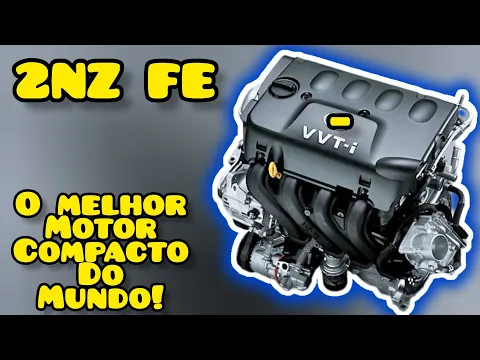

The great highlight of the Ist is its engine: the 2NZ-FE, a 1,298 cm³ unit from the Toyota NZ family, the same mechanical set that equips various models sold in Japan and recognized worldwide for their reliability.
This engine delivers:
- About 87 hp
- Good torque curve for the displacement
- Extremely low mechanical failure rate
- Maintenance cost extremely low for an imported car
The 2NZ-FE uses a timing chain (no need for periodic replacement), operates at stable temperatures, and has a simple and robust design, made to last. It is not an exaggeration to say that this unit is famous for reaching 250–300 thousand km with basic maintenance and this explains why so many Ists are still on the road in Japan with very high mileages.
Fuel Consumption: Hybrid-Level Numbers for an Aspirated Car
Under the Japanese cycle (very rigorous), the Toyota Ist 1.3 records fuel consumption close to 16 km/l, depending on driving style and condition.
This places the hatch:
- Above several national 1.0 models
- On par with modern low-consumption compacts
- Very close to used mild hybrids
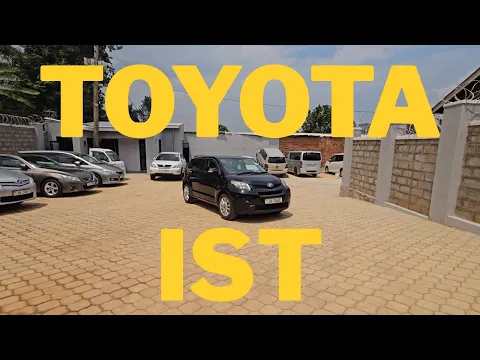
The combination of the 2NZ-FE engine with the car’s lightweight and simple aerodynamics helps the Ist deliver extremely competitive fuel consumption, especially in urban driving.
Comfort and Finishing Surprise for a Compact
Unlike most Brazilian compacts of the time, the Toyota Ist already came with:
- Elevated central dashboard
- Progressive electric steering
- Efficient air conditioning
- Impeccably assembled interior finish
- Soft suspension, tuned for Japanese roads
- Excellent acoustic insulation
It is a car for those who seek simplicity without giving up real comfort. The interior space also surprises, especially in width and in the elevated driving position, typical of premium Japanese compacts.
Driving Experience: Stability at High Speeds and Smoothness in Urban Use
The Ist is known for the feeling of a “car glued to the ground,” something rare in hatchbacks with small engines. The independent suspension in the front, well-calibrated rear, and competent wheelbase make the model perform much better than equivalent national compacts.
In urban use, it is agile, light, and easy to park. On the highway, it maintains composure and stability even at higher speeds — a merit of the low center of gravity and the rigid construction of the platform.
Price and Rarity: What Makes the Toyota Ist a Find
Due to being imported independently, the Toyota Ist is not common in Brazil. This means:
- Price lower than it should be for what it offers
- Little demand, which reduces artificial appreciation
- Abundant supply of compatible parts in the parallel market (same engine used in other Toyotas)
- Simple mechanics that any Toyota specialist can maintain
For around R$ 30 thousand, it delivers:
- Extremely reliable 1.3 engine
- Fuel consumption worthy of a modern car
- Comfortable suspension
- Interior with a standard superior to national 1.0 cars
- Robustness typical of Toyota
It is a hard-to-ignore package for those wanting to escape the “rice and beans” of the Brazilian market.
Points to Consider Before Buying
Like any independently imported vehicle, it is important to check:
- Documentation and provenance
- Maintenance performed in Brazil
- Condition of the air conditioning system
- Functionality of electrical items
- Availability of specific trim parts
Overall, mechanical problems are rare, the biggest risk is buying a poorly maintained unit.
Current Situation of the Model in the Brazilian Market
Today, the Toyota Ist is seen as a “niche car,” sought after by enthusiasts who value reliability and economy above design or status. The trend is for slight appreciation over the years, as its robustness keeps it desirable.
And for those looking for a genuine Japanese compact, economical, nearly unbreakable, and priced like a popular car, the Ist has become one of the most intelligent and discreet options in the Brazilian market.