






 Portuguese
  Spanish


Launched in 1973 and part of a global project by General Motors, the Chevette was born with a front engine and rear-wheel drive, survived for two decades in versions such as hatchback, station wagon, and pickup, and ended its career in 1993 with more than 1.6 million units sold in the country.
Before becoming a collector’s car, garage project, and internet meme, the Chevette had a much more ambitious mission, to compete with the Beetle in Brazil, and was launched by Chevrolet in 1973 as part of a global GM project. According to information from the NSC Total portal, specialized records, the compact arrived in the country even before the European model that served as the basis for the family, the Opel Kadett C.
According to the Brazilian Transport Memory, the Chevette ended its Brazilian trajectory in 1993 with more than 1.6 million units sold. Born to compete with the Beetle when the bug still reigned supreme, it survived for two decades in versions such as hatchback, four-door sedan, the Marajó station wagon, and the Chevy 500 pickup, maintained a front engine and rear-wheel drive, and left a folklore of being a gas guzzler that, as the numbers show, was more of a joke than reality.
The compact that arrived before the European model
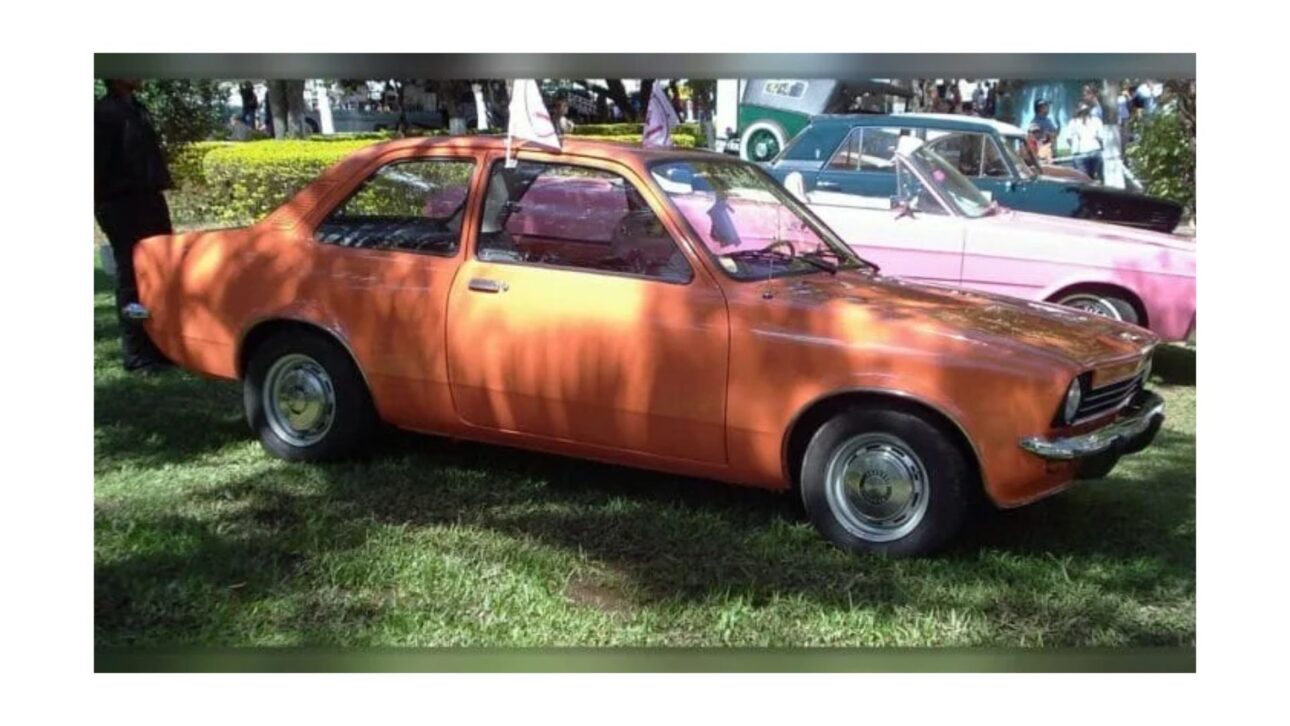
Despite becoming a Brazilian symbol, the Chevette was not an isolated project, as its base was part of the so-called T platform, used by GM in different markets and with different names.
-
Caoa Changan CS75: New Model with 1.5 Turbo Flex Engine and 8-Speed Automatic Priced $4,000 Less in Brazil

-
Cost Analysis: Maintaining a Fiat Cronos 1.3 Drive 2026 – Parts, Taxes, Insurance, Fuel, and Maintenance

-
New Spanish Engine with Just 500cc Promises Power of 2,000cc, Is 70% Lighter, Crankshaft-Free, Seeks $14 Million to Exit Testing by 2026

-
Nissan Versa Offers Surprising Space and Comfort for Under $10,000, Impressing with Japanese Engineering


Depending on the country, the same family appeared as Opel Kadett, Vauxhall Chevette, Isuzu Gemini, Holden Gemini, and other derivatives.
The curious detail is that, according to specialized records, the compact arrived in Brazil in 1973 even before the European model that served as the basis for the family, the Opel Kadett C, so the Brazilian relative appeared before the original German one.
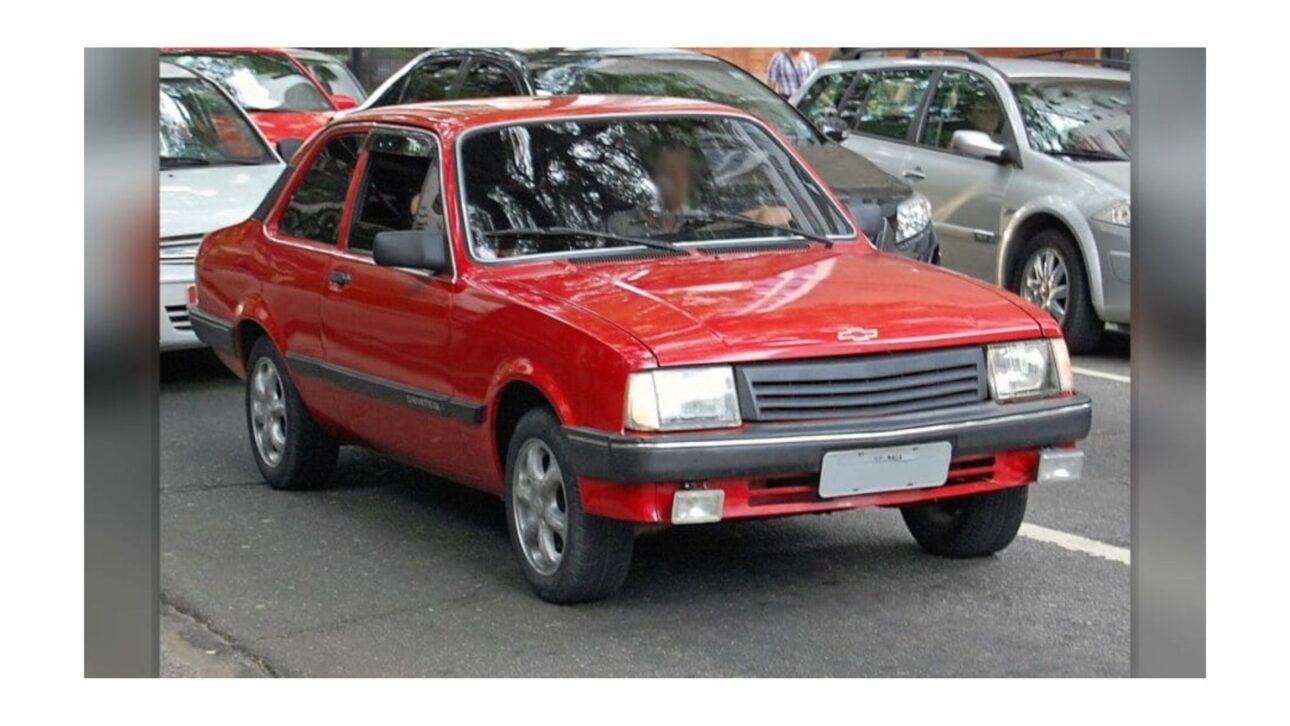
The Chevette was launched at a time when the Beetle still reigned supreme on the streets, and there was a need for a smaller, cheaper model capable of competing with this audience.
Front engine and rear-wheel drive, the soul of the Chevette
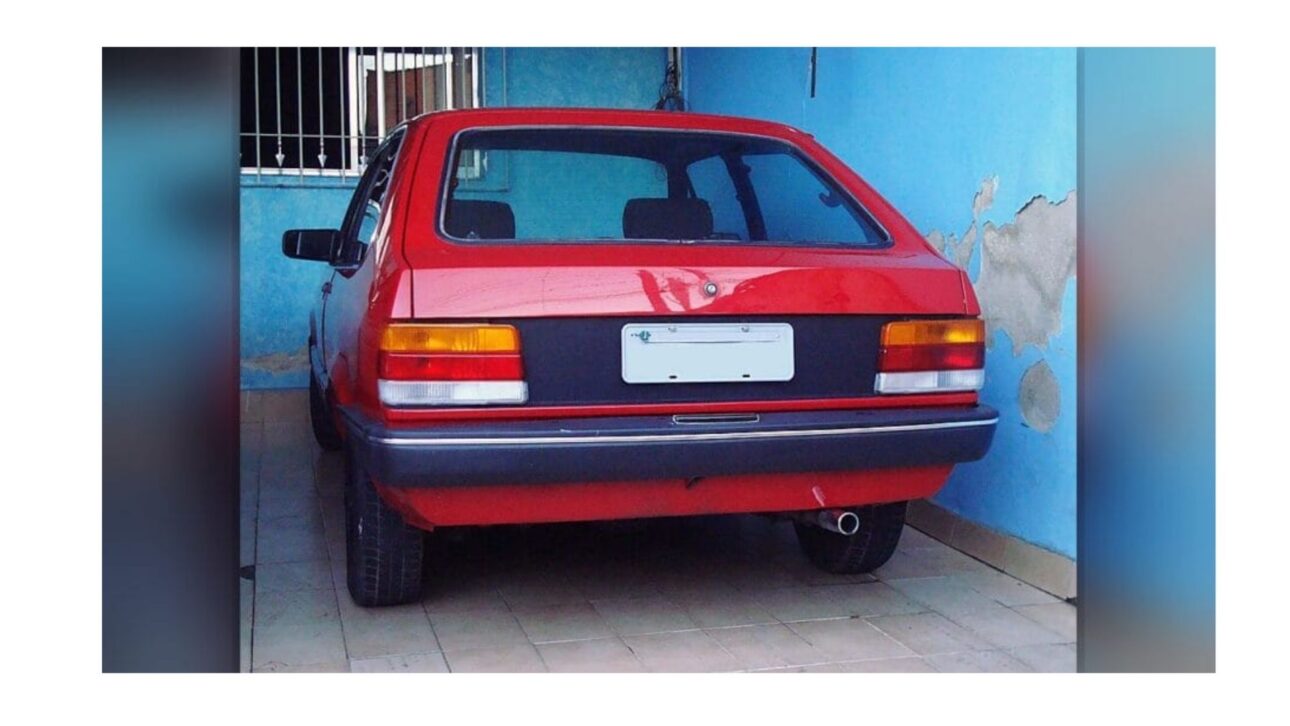
In Brazil, the car gained its own life, as the Chevette started as a two-door sedan, but the family grew with versions like the hatch, the four-door sedan, the Marajó station wagon, and the Chevy 500 pickup.
This variety helped the model survive for two decades in the national market.
Another point that draws attention today is the mechanical configuration, because while modern compacts almost always use a front engine with front-wheel drive, the Chevette had a front engine and rear-wheel drive.
For many people, this explains part of the affection the car still inspires among enthusiasts, especially in modified projects.
The reputation of being a gas guzzler that became folklore
Those who lived with the model remember a joke that spanned generations, that the Chevrolet compact drank more than it promised, a reputation that followed the Chevette especially in the alcohol versions, common in the 1980s and 1990s, and in older cars, with carburetors not always well adjusted.
The numbers help to understand where the joke came from.
In the 1.6 alcohol version, Quatro Rodas points to an average consumption of 7 km/l in the city and 11.1 km/l on the highway, and technical data sheets indicate similar averages, around 7 km/l to 7.5 km/l in urban use in the alcohol versions, while some well-tuned gasoline versions could exceed 10 km/l in the city.
The Chevette, however, was not necessarily an absolute villain at the gas station compared to other carbureted cars of the time, and it was the combination of an old engine, manual transmission, and heavy urban use that fueled the folklore.
Not so modern, not so outdated
The Chevette was never a perfect car and, over the years, accumulated criticisms for its cramped interior, limited trunk space, and simple finishing solutions.
The hatch had only 237 liters of luggage space, as part of it was taken up by the spare tire and the tank.
Even so, there were qualities that explain its success, as the car was light, had well-known mechanics, relatively simple maintenance, and praised behavior for its proposal, which made a difference in a time of a closed market, few options, and expensive cars.
It also helped that the Chevette had a less outdated image than the Beetle, whose air-cooled rear engine carried an older design, while Chevrolet’s compact seemed more aligned with the 1970s and 1980s.
From popular to beloved classic
Brazilian production of the Chevette ended in 1993 and, according to the Memória do Transporte Brasileiro, the model ended its journey with more than 1.6 million units sold, a number that shows how it was much more than a supporting player in Chevrolet’s history in the country.
Today, the Chevette lives another phase.
It is no longer just the cheap car that many people had in the family, but has become an accessible classic, a base for restoration, drag racing, and drift projects, present in vintage car meetings and in the affectionate memory of a time when cars were simpler and noisier.
In the Fipe Table of May 2026, a 1993 Chevette 1.6 appears around R$ 21.8 thousand.
Created by GM and Chevrolet to dethrone the Beetle, the Chevette was launched in Brazil in 1973, even before the European model that was its base, the Opel Kadett C, according to specialized records, and as part of a global T platform, it gained its own life in the country, with versions from hatch to Chevy 500 pickup, maintained the front engine and rear-wheel drive, and sold more than 1.6 million units until 1993, according to the Memória do Transporte Brasileiro.
The reputation of being a gas guzzler became folklore that spans generations, although Quatro Rodas’ numbers show that it was not an absolute villain at the gas station, and today the Chevette is an accessible classic that appears around R$ 21.8 thousand in the Fipe Table of May 2026, much more than a supporting player in the country’s automotive memory.
And you, did you have a Chevette or did someone in your family have one? Do you remember the gas station jokes, or do you still defend the rear-wheel-drive compact today? Share your memory and exchange stories with other readers about vintage cars.


