






 Portuguese
  Spanish


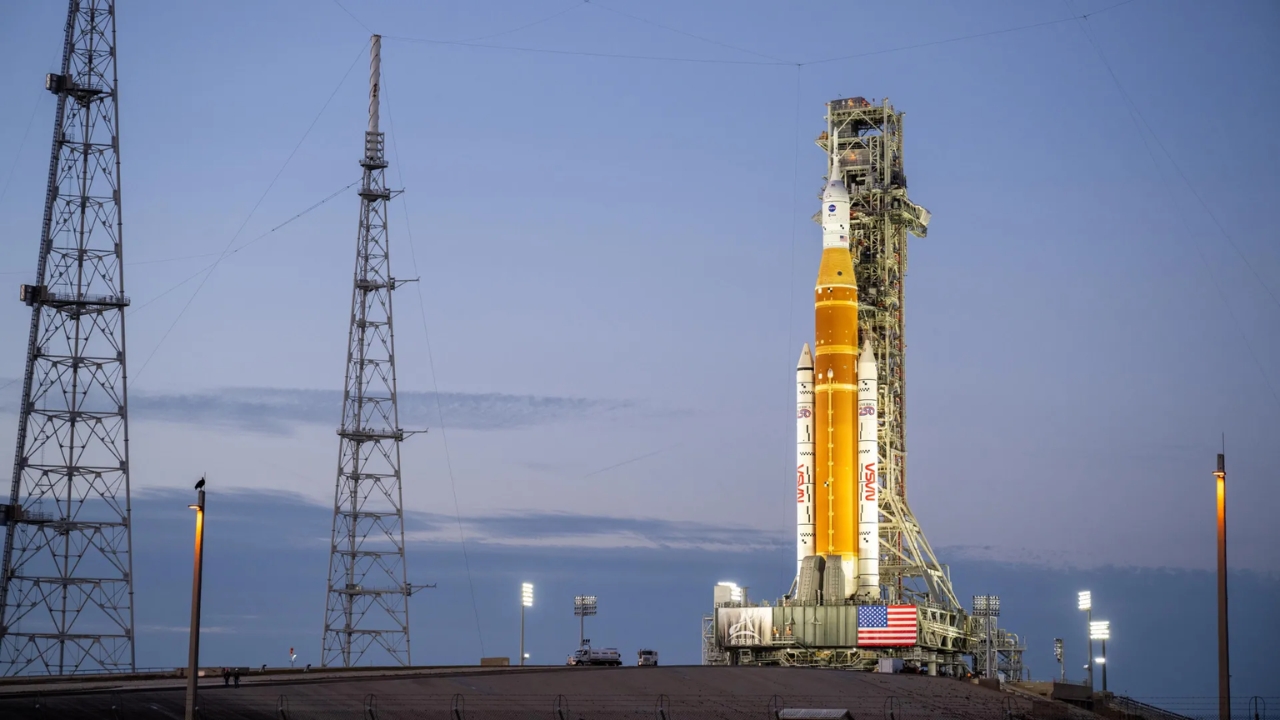


NASA Reorganized Artemis Program In The United States, Postponed Stages To 2027 And 2028, And Redesigned Human Return To The Moon With A Focus On Sustained Presence
The NASA confirmed important changes to the schedule of the Artemis program and postponed the new phase of human return to the Moon. With this, the American agency now expects two lunar missions in 2028, instead of just one.
The change directly affects the sequence of upcoming operations. The Artemis III mission, which was previously expected to land on the Moon, has now been repositioned to 2027 and will focus on activities in low Earth orbit, setting the stage for the next phase.
Rocket Issues Altered The Schedule
The reconfiguration of the schedule occurred after the postponement of the Artemis II mission, which faced a problem with the helium flow to the upper stage of the SLS rocket, the Space Launch System used by the agency.
-
Pennsylvania Mine Creates Ice in Summer Heat and Melts in Winter, Turning a Mountain Crevice into a Reverse Natural Refrigerator

-
China Accelerates Global Expansion of Robotics: From Smart Vacuums to Industrial and Humanoid Machines, Millions Exported to Over 150 Markets
-
Polar Air Mass to Hit Brazil: Temperatures to Plummet in Nine States, Near Freezing in the South with Frost Risk Until Monday
-
Chinese “dark factories” produce electric cars 24/7 with minimal human intervention, as Zeekr assembles 800 units daily, raising concerns in Brazil.





The mission was scheduled to send four astronauts to lunar orbit on March 6, but failures in the first cold test prevented the launch in February. Now, the expectation is that this stage will occur at least in April.

2028 Becomes The New Key Year For The Moon
With the revision, Artemis IV has been positioned to attempt to reach the Moon in early 2028. The new Artemis V is expected to pursue the same goal at the end of the same year, showing a clear change of pace within the program.
The new logic of NASA is to increase the frequency of missions and standardize the configuration of the vehicles. The intention is to establish a continuous presence on the Moon and, from this reorganization, conduct at least one landing per year on the lunar surface.
Artemis III Will Prepare The Ground In 2027
Instead of landing on the Moon, Artemis III will now be used to test systems and operational capabilities in low Earth orbit. This stage will serve as a strategic rehearsal for the planned landing on the following mission.
According to AGENCIES, a service that gathers information from different outlets, the change was presented by NASA heads in a briefing and is part of a course correction to keep the schedule more viable, with greater safety and lower operational costs.
Return To The Moon Aims For Sustained Presence
The new design of the program shows that the goal is not just to repeat the historic achievements of the Apollo missions. The proposal now is to establish a permanent structure called Gateway, planned to operate for at least 15 years.
The goal is to create conditions for astronauts to learn to live and work for extended periods outside Earth. This also includes studying the use of lunar resources, which is seen as a central piece to support future, longer missions.
Artemis II Crew Will Have A Historic Milestone
After the uncrewed flight of Artemis I, the Artemis II mission will be the first crewed phase of the new lunar program. It will carry four astronauts on a journey around the Moon with a trajectory different from previous missions.
The crew will consist of Reid Wiseman, Victor Glover, Christina Koch, and Jeremy Hansen. With this group, the mission will mark the journey to the Moon of the first woman, the first Black person, and the first non-American person in this new cycle.
The change in the schedule does not diminish the importance of the program. On the contrary, it shows that the human return to the Moon has entered a more careful phase, longer and with the ambition of real permanence outside of Earth.
In practice, the decision pushes the landing to 2028, reorganizes the American strategy in space, and reinforces that the competition for presence beyond the planet remains active, now with a greater impact on the global stage.







Lamentável
Hoje , depois de 50 anos, vemos que fomos enganados pela NASA
Nunca estivemos na lua. Que enganadores foram aqueles “astronautas” fazendo aquelas macaquices dos pulinhos , que ridículo
Caraca… Mudaram a rota da Lua… Para onde vão mandar ela?
Nunca foram! Por que iria agora vão adiar sempre kkkkk
Perfeito comentário. Ninguém mais é **** hoje em dia