






 Portuguese
  Spanish




NASA Study Warns That California Coastal Cities Are Sinking As Sea Level Rises Faster Than Expected. Los Angeles And San Francisco May Face Severe Flooding By 2050, With Soil Giving Way And The Ocean Advancing Over Populated Areas, Threatening Millions Of People And Urban Infrastructure.
A NASA study revealed that parts of the California coast are sinking, making millions of people vulnerable to rising sea levels. Cities like Los Angeles and San Francisco could experience severe impacts in the coming years, with ocean elevation occurring faster than previously thought.
The study, conducted by NASA’s Jet Propulsion Laboratory (JPL) in partnership with NOAA, indicates that sea levels could rise by up to 43 cm in some regions by 2050, threatening entire neighborhoods and potentially causing billions of dollars in damages.
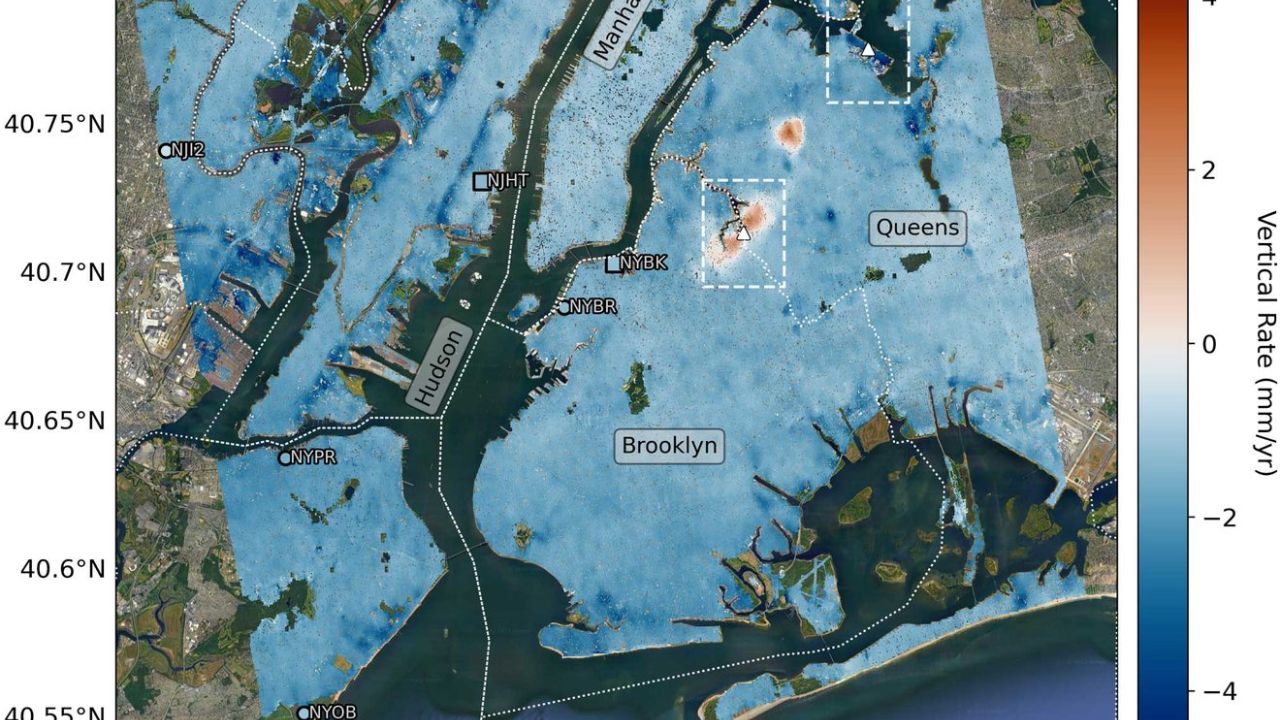
The research used data from satellites and ground stations to measure land displacement along more than a thousand miles of the California coast. Scientists identified that the ground is sinking in various areas due to natural factors and human actions, such as excessive groundwater pumping and sediment compaction. In some parts of California, sinking is happening faster than sea level rise itself, worsening the situation.
-
Excavation for Solar Park in Germany Uncovers Rare Celtic “Princely Tomb” with Elite Warrior Buried with Gold, Weapons, Etruscan Jug, and Two-Wheeled Chariot in Bad Camberg

-
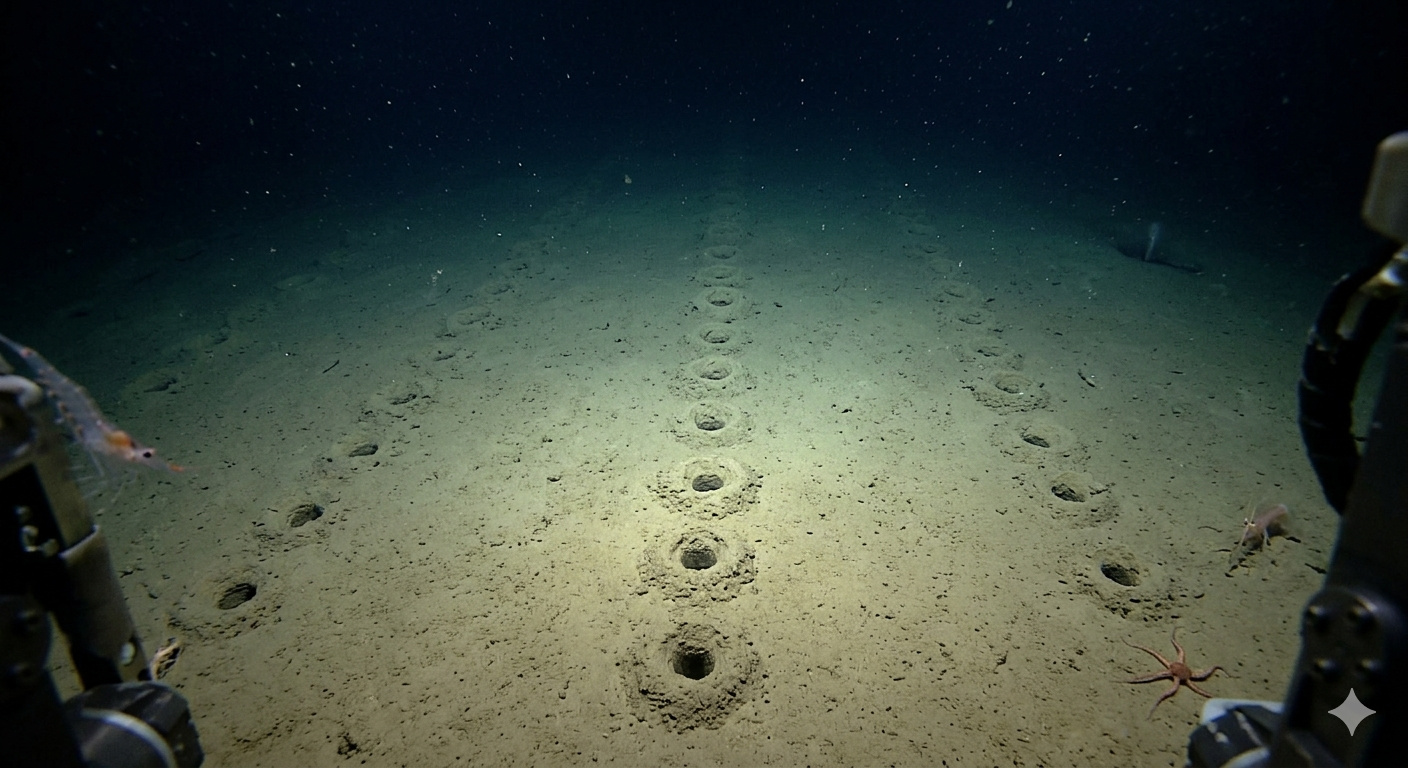
NOAA Scientists Discover Mysterious, Perfectly Aligned Holes on the Mid-Atlantic Ridge Seafloor, Origin Still Unknown

-
California Startup Develops Giant “Space Sling” to Launch Vehicles at Mach 6, Reducing Fuel Use and Enabling Thousands of Satellite Deployments

-
ChatGPT Alerts FBI to Prevent Planned Murder of 8-Year-Old in Brazil’s Espírito Santo




The impact could be devastating for densely populated areas. In San Francisco, for example, the city of San Rafael could see streets, schools, and shopping centers flooded in the coming years. In Los Angeles, the rise in sea level combined with sinking soil could make some regions virtually uninhabitable.
The situation is even more concerning in the Palos Verdes Peninsula, where a separate NASA study showed that the land is sinking at a rate of 10 cm per week, threatening homes and infrastructure near the coast.
Researchers emphasize that this phenomenon occurs not only due to natural causes, such as tectonic plate movement, but also due to human factors. Pumping groundwater for city supplies and injecting waste into the soil directly contribute to the acceleration of the process. Coastal erosion and landslides also exacerbate the situation, especially in areas like Monterey Bay and the Big Sur mountains.
Projections indicate that by 2050, sea levels could rise between 15 and 36 centimeters above levels recorded in the year 2000. The combination of this advance with ground sinking creates an alarming scenario, increasing the risk of permanent flooding and damage for millions of residents.
Since the 1960s, the California government has invested over US$ 100 million to mitigate the damage caused by ground sinking, but costs are expected to rise significantly in the coming years.





A NASA diz coisas e depois não se responsabiliza. Enquanto isso, os astronautas continuam perdidos no espaço, capotando literalmente de raiva! E aqui na Terra a NASA segue redirecionando as utopis já desacreditadas. Cara de alho, não vai ter afogamento de cidades costeiras, mas sim o deslocamento da crosta terrestre, que é constante. Parem com isto!
Por que vc nao se candidata pra NASA??
Kkkkkkkkkkkk
Como disse o cientista e navegador francês Jack Custeau em 84 li entrevista em revista que pesquisava no mundo inteiro disse sobre excesso de queima de combustível fóceis aquecimento global e disse A super população vai destruir o planeta em 1900 era de 1,6 bilhões de habitantes hoje somos mais de 8 bilhões de habitantes e só passou 120 anos, planejamento familiar JÁ e plantar florestas e mudar política energética para energia limpa o planeta pede socorro.