Portuguese
  Spanish


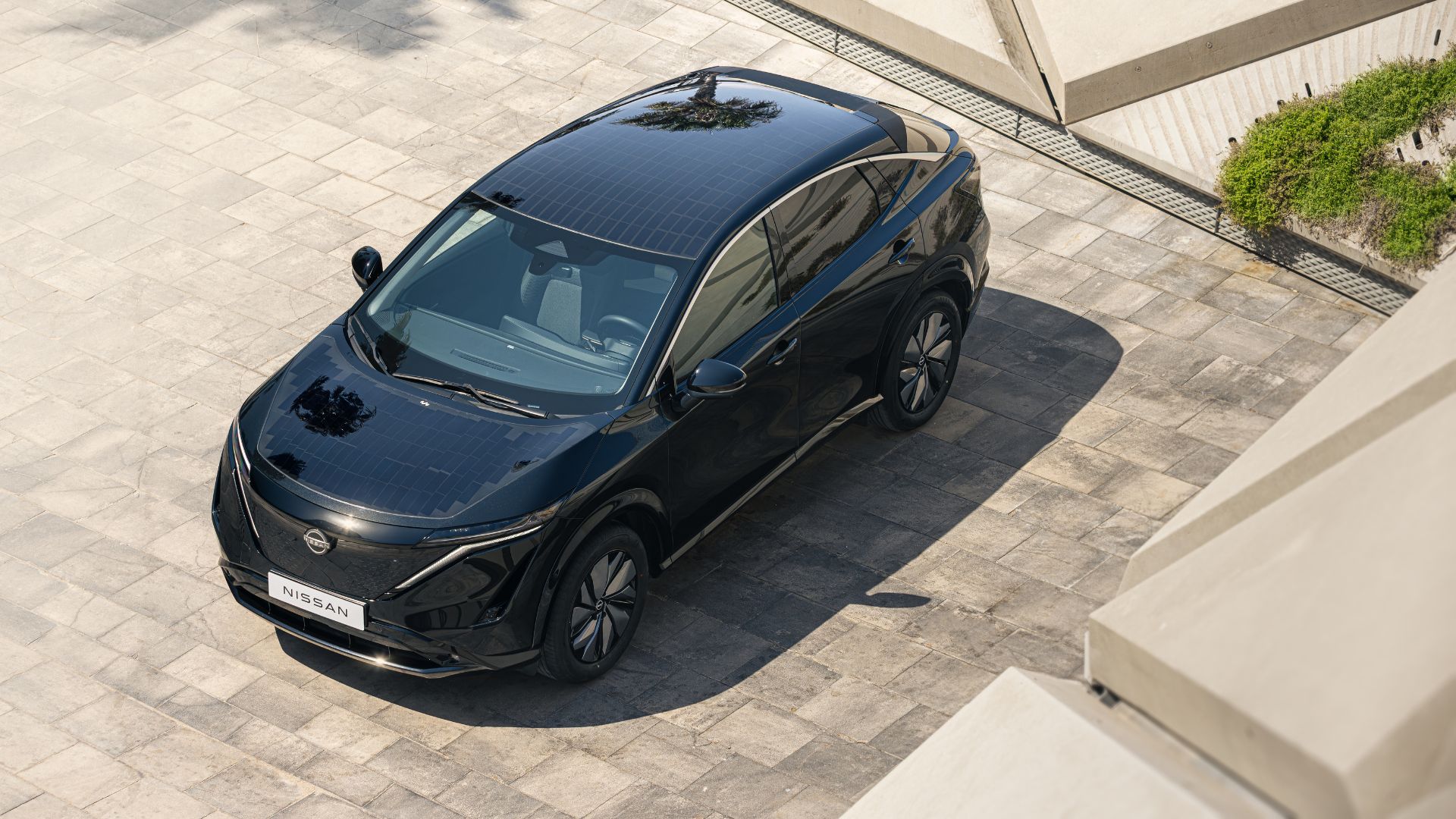

Japanese Automaker Nissan Unveils Electric Prototype That Uses Solar Energy to Generate Daily Range, Reduce Recharges, and Advance Sustainable Mobility with Applied Technology.
On Clean Energy Day, celebrated internationally on January 26th, Nissan presented an innovative concept of the Ariya powered by solar energy, demonstrating how a sustainable electric SUV can extend its range through integrated solar panels on the body. According to a publication made by the automaker itself, the initiative reinforces the Japanese automaker’s commitment to innovation, energy efficiency, and emission reduction throughout the lifecycle of its vehicles.
Nissan and Clean Energy Day as a Milestone for Sustainable Innovation
The project was developed by Nissan engineers linked to Advanced Product Planning in Dubai and Powertrain Planning in Barcelona. The goal was to test, under real conditions, how solar energy can be directly integrated into the electric vehicle, reducing reliance on external charging infrastructure.
The choice of Clean Energy Day for the presentation of the Ariya concept was not random. The date, established by the United Nations (UN), highlights the importance of the global energy transition and the use of renewable sources in combating climate change.
-
2027 Toyota Corolla Cross Unveiled: New Design, Enhanced Fuel Efficiency, Reduced Maintenance Costs, Advanced Technology, Connected Services, and Up to 10-Year Warranty

-
Fiat Cronos Precision 2018: Affordable Sedan with Spacious Trunk and Reliable Maintenance
-
Volkswagen to Cut Production by 1 Million Cars by 2030, Reducing Jobs and Platforms, Focusing on More Profitable Models

-
Toyota Launches First 100% Electric Car in Brazil: bZ4X with 343 HP, All-Wheel Drive, 361 km Range, Priced at $419,990 BRL, Limited to 99 Units




By associating the conceptual launch with this context, Nissan reinforces its strategy to align technological innovation with environmental responsibility. The sustainable electric SUV presented functions as a laboratory for solutions applicable to future production models, especially in markets with high solar incidence.
Ariya Concept and the Integration of Solar Energy into the Sustainable Electric SUV
The Ariya concept presented by Nissan features 3.8 square meters of high-efficiency photovoltaic solar panels. These solar panels are integrated into the hood, roof, and rear hatch, utilizing surfaces that are normally underutilized on the vehicle.
Manufactured with advanced polymer and glass-based materials, the modules convert sunlight into direct current electricity. This energy is managed by an intelligent controller designed to optimize the use of solar energy and reduce losses during the conversion process.
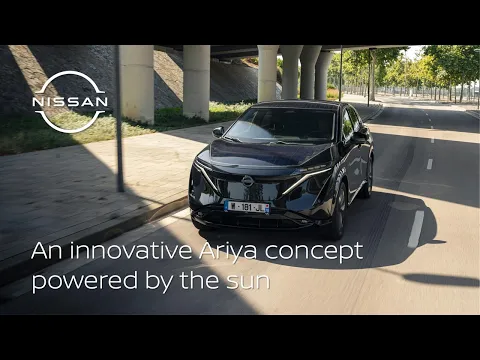

Nissan Solar Panels Extend Range and Reduce Recharges
The tests conducted by Nissan demonstrated consistent gains in range for the sustainable electric SUV. Under ideal conditions, the system can generate up to 23 additional kilometers per day solely from solar energy.
In urban environments with high sun exposure, such as Barcelona, the Ariya concept achieved an average of 17.6 kilometers of range generated by the solar panels. In cities with lower solar incidence, the gains remain significant.
Average annual data includes:
- London: 10.2 km per day
- New Delhi: 18.9 km per day
- Dubai: 21.2 km per day
The data shows that the technology is effective in different climate scenarios.
Solar Energy in the Daily Life of Nissan’s Sustainable Electric SUV
In addition to the direct gain in range, Nissan highlights the significant reduction in the frequency of external recharges. Depending on usage patterns, drivers can reduce recharges by 35% to 65% throughout the year.
During a trip of approximately two hours and 80 kilometers, the Ariya concept managed to generate about 0.5 kWh of clean energy, which represents up to 3 additional kilometers of range at no cost and with no emissions.
Nissan assesses that integrating solar energy into the sustainable electric SUV can bring even more relevant benefits in areas with limited or developing charging infrastructure.
By allowing the vehicle to generate part of its own energy through solar panels, the Ariya concept reduces range anxiety and enhances the perceived range. This feature is particularly important for emerging markets and areas far from large urban centers.
Nissan’s Partnership with Lightyear Boosts the Ariya Concept
The development of the Ariya concept powered by solar energy began with a central question: what if electric vehicles could charge themselves? From this idea, Nissan partnered with the Dutch company Lightyear, specialized in solar mobility.
Lightyear provided next-generation solar panel technology, while the Nissan teams were responsible for integration into the electric system and powertrain of the sustainable electric SUV.

Long-Distance Tests Validate Nissan’s Proposal
To prove the efficiency of the system, the Ariya concept underwent long-distance tests, including a journey of 1,550 kilometers between the Netherlands and Barcelona. The results indicated a significant reduction in the need for recharging.
According to the published data, a driver who travels about 6,000 kilometers per year could reduce the number of annual recharges from 23 to just 8, thanks to the continuous contribution of solar energy.
Shunsuke Shigemoto, Vice President of ePowertrain at Nissan, stated that the Ariya concept represents the company’s vision of uniting innovation and sustainability in a concrete way.
For the automaker, exploring vehicles capable of generating their own solar energy expands user freedom and reduces operating costs. Nissan assesses that as solar panels evolve in efficiency and cost, this solution could be applied in future production models.
Nissan’s Commitment to Carbon Neutrality by 2050
The presentation of the Ariya concept on Clean Energy Day aligns with Nissan’s global goal of achieving carbon neutrality throughout the lifecycle of its products and operations by 2050.
The automaker invests in electrification, energy efficiency, and renewable sources as strategic pillars. The integration of solar energy into a sustainable electric SUV represents yet another concrete advance in this trajectory.
Although still a conceptual project, the Ariya concept powered by solar energy shows that Nissan sees electric mobility as an integrated system in which the vehicle does not rely solely on external infrastructure.
The combination of solar panels, energy efficiency, and management intelligence points to a future where the sustainable electric SUV becomes more autonomous, economical, and accessible.