






 Portuguese
  Spanish


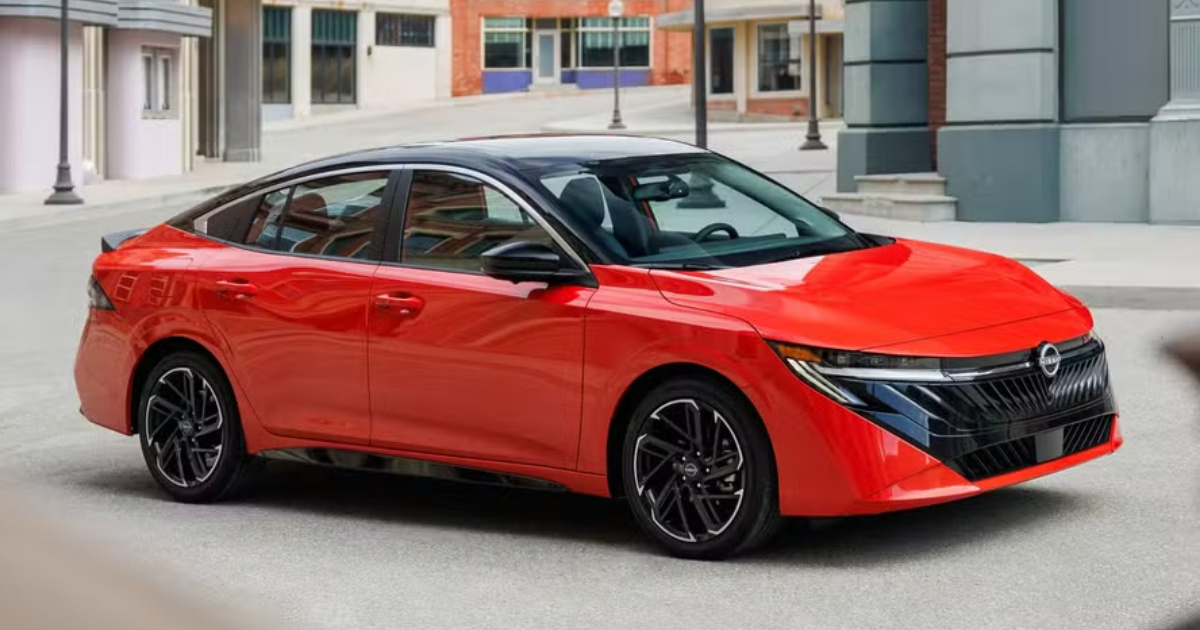
The Nissan Sentra 2026 Arrives in a New Generation with a Revamped Look, Fully Digital Cabin, and Production in Mexico, Retaining the 2.0 Naturally Aspirated Engine. The Sedan Debuts in the U.S. at the End of 2025 and is Expected to Arrive in Brazil Shortly After.
The Nissan Sentra 2026 arrives in its ninth generation with a redesigned exterior, digital interior, and retaining the 2.0 naturally aspirated engine with 151 hp, paired with a CVT transmission.
In the United States, the launch is scheduled for the end of 2025.
For Brazil, arrival is expected from Mexican production, but no confirmed date yet.
-
Volkswagen to Cut Production by 1 Million Cars by 2030, Reducing Jobs and Platforms, Focusing on More Profitable Models

-
Toyota Launches First 100% Electric Car in Brazil: bZ4X with 343 HP, All-Wheel Drive, 361 km Range, Priced at $419,990 BRL, Limited to 99 Units

-
Chinese SUV Achieves 24.4 km/l, Outperforms Toyota Yaris Cross in Real-World Tests with 224 hp Hybrid System, Offers 51-Liter Tank for Greater Range, and Costs Up to R$ 5,000 Less.
-
Uber Black Revamps Fleet, Drops Ten Car Models and Sets Deadline for Electric BYD Dolphin


Design of the Sentra 2026
The front features narrower headlights integrated into the central grille.
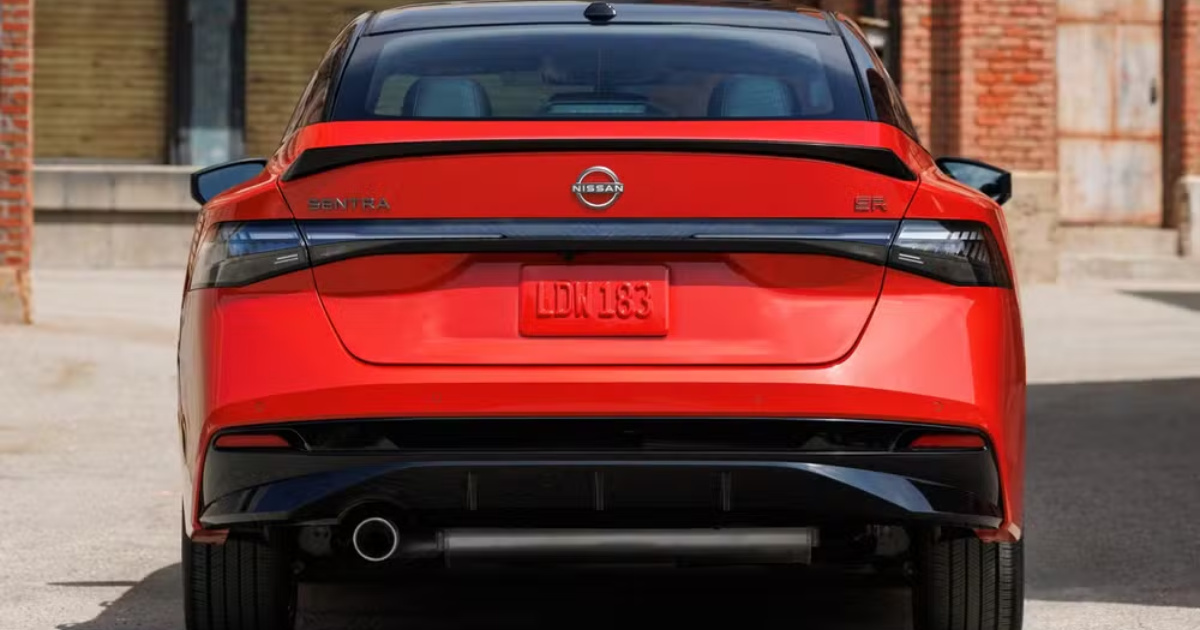
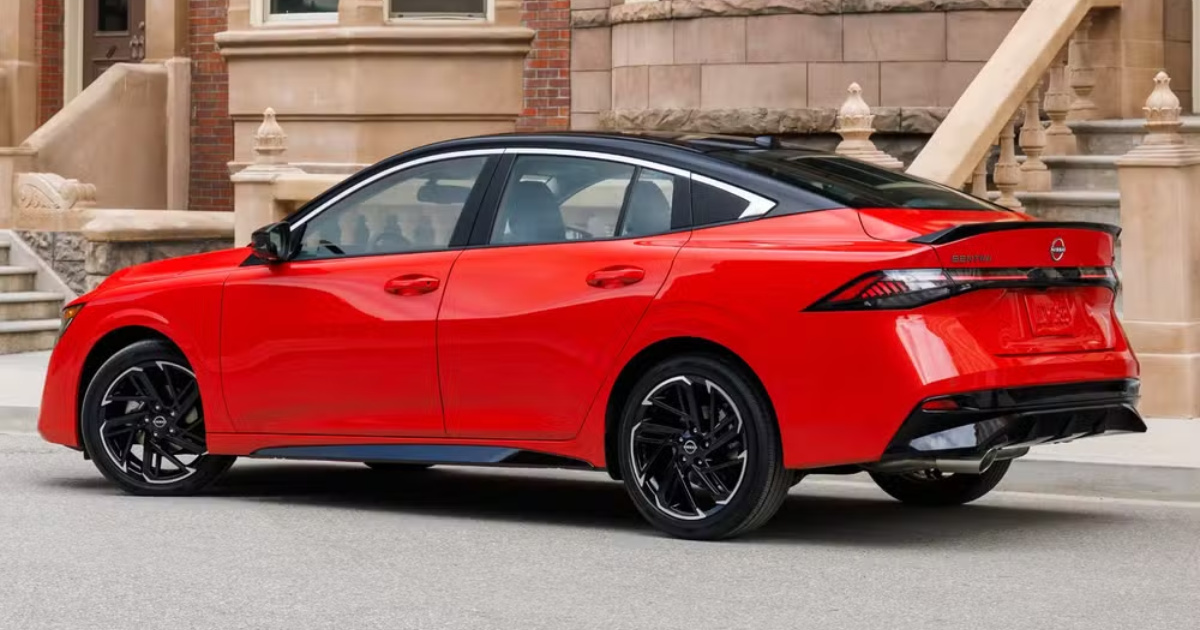
In the SR version, visual elements gain darkened finishes and 18-inch wheels.
The rear has been updated with horizontal taillights connected by a light bar in the higher trims.
The set retains proportions similar to the previous model but with more elongated lines.
According to Nissan, the external redesign sought to give the sedan a stronger identity within the brand’s portfolio, following the pattern adopted in other recent models.
Digital Interior with Two Screens
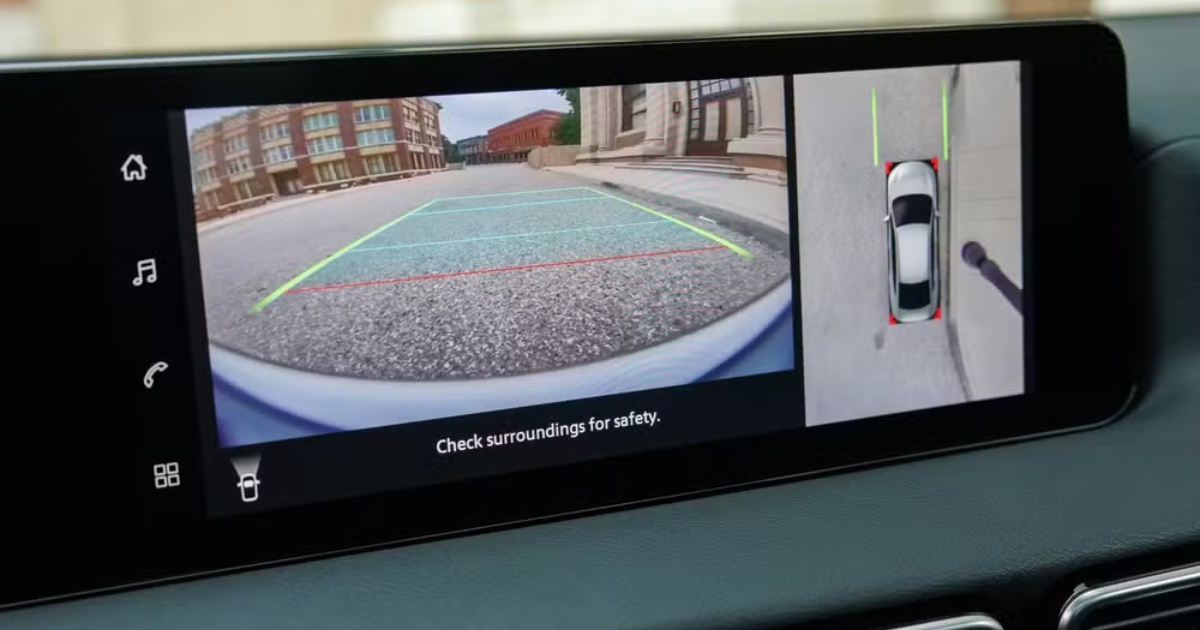
The internal dashboard now features two 12.3-inch screens, one for the infotainment system and the other for the instrument cluster.
In the entry-level versions, the cluster maintains an analog gauge combined with a smaller screen.
Additionally, the car now comes with wireless Android Auto and Apple CarPlay.
The air conditioning controls feature physical buttons combined with haptic commands.
The redesigned steering wheel has two spokes, and there are new ambient lighting options in the higher trims, in addition to soft-touch materials on the dashboard.
According to the manufacturer, the screens were designed to provide a higher level of information customization, including navigation, multimedia, and driving data.
Platform and 2.0 Engine Retained
The structural base of the model continues to be the CMF-CD platform, already used by the previous Sentra.
The engine remains the same: the 2.0 naturally aspirated four-cylinder, with 149 hp (approximately 151 hp) and 146 lb·ft (about 20.2 kgfm) of torque, coupled to the automatic CVT transmission.
While the Renault-Nissan-Mitsubishi alliance uses turbocharged 1.5-liter engines and e-POWER hybrid systems in other markets, Nissan has not announced these options for the Sentra 2026 in the United States.
Production and Confirmed Versions
The new Sentra will be produced in Aguascalientes (Mexico), a factory that supplies both the United States and Brazil.
The lineup for the North American market will have four versions: S, SV, SR, and SL.
Sales in the U.S. are scheduled to begin at the end of 2025.
For the Brazilian market, there is no official confirmation of versions or dates yet, but the model has already been seen testing.
Main Changes of the Sentra 2026
The most relevant changes are in the exterior design and the technological package of the interior, which now offers two large screens, wireless connectivity, and ambient lighting.
The mechanics remain unchanged compared to the current model.
With these updates, the model enhances connectivity and driver-assistance features, but retains the already familiar engine setup for consumers.
For Brazil, expectations focus on which versions and equipment will be included in the local offer.
The question that remains is: with a refreshed style and more technology on board, but no mechanical changes, will the Sentra 2026 be competitive against rivals in the Brazilian market?







Be the first to react!