






 Portuguese
  Spanish
  4 min of reading
  49 comments


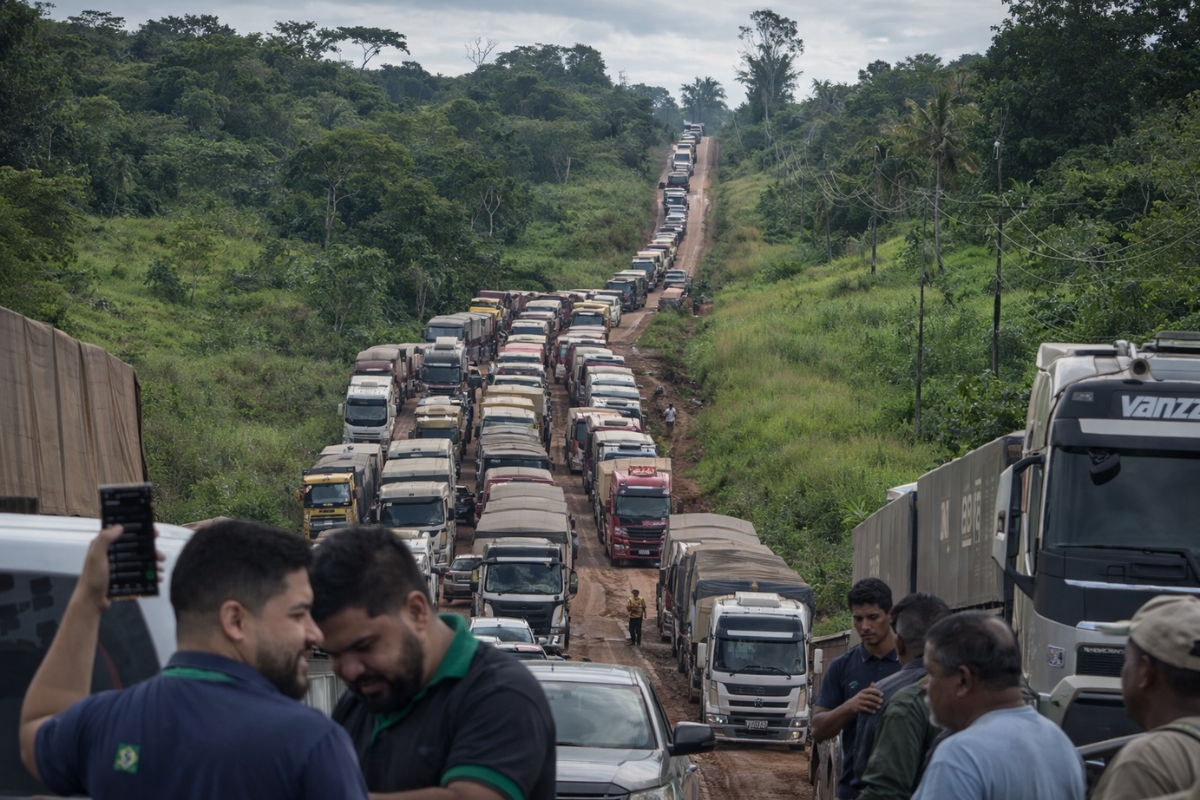


The Largest Soybean Harvest in History Accelerates, but the Harvest Remains Delayed; Rain, Late Planting, and Long Cycles Tighten the Window and Turn Roads into a Bottleneck in Brazil
The soybean harvest in Brazil has gained speed in recent weeks, but the flow is far from keeping pace with the rhythm in the fields. Amid the largest harvest in history, estimated at nearly 180 million tons, scenes of congestion and standstill have once again exposed the most fragile side of agribusiness: logistics.
In the North of the country, access to strategic terminals has become a visible and costly bottleneck. And, as if the delay weren’t enough, a new factor has heightened tensions: the occupation of a Cargill terminal in Santarém, interrupting operations at a key point for the exit of soybeans and corn.
A Queue That Seems to Have No End in Miritituba
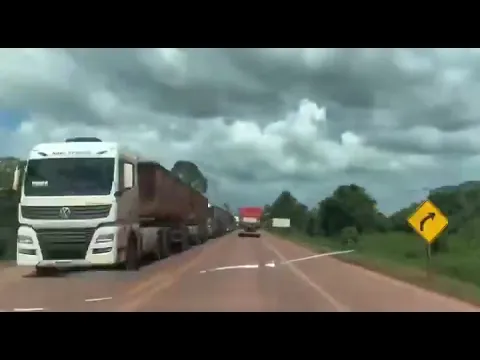
The image circulating among transporters and producers is hard to ignore. At the entrance of the port facilities in Miritituba, Pará, a queue of trucks has formed, stretching 39 kilometers, blocking access and increasing the waiting time to unload grains.
-
In Virginia, a family of small-scale farmers refused to swap the countryside for the city and transformed their milk production into award-winning artisanal cheese from Mantiqueira de Minas.

-
The alligator that was once illegal game has become a business in the Pantanal: Caimasul, the largest alligator slaughterhouse in the world, slaughters nearly 100,000 per year and exports alligator leather and alligator meat.
-
At 17, Andressa swapped the city for life in the countryside with her father on a farm in Minas Gerais, where they take care of 15,000 fish in aquaculture, cows, and other animals.
-
Organic grape juice from São Roque surprises experts, scores over 90 points in a blind test, and wins a national award after six years of agroecological research.



The problem is aggravated because the final stretch of BR-163 still suffers from a lack of paving, and with rain, progress becomes a patience game. The port is already accustomed to peaks in activity, but nearly 40 km of queue deviates from the norm and raises an alert about what may happen when the harvest truly peaks.
Miritituba is an important cog in this corridor: the region dispatches about 12 million tons per year. When this exit door gets jammed, the impact spreads quickly through freight, deadlines, and costs, reaching those who are further back in the supply chain, in the interior.

Harvest Accelerates, but Remains Delayed Compared to Last Year
Even with recent progress, the Brazilian harvest still carries the weight of an irregular calendar. Data from AgRural indicates that the 2025/26 harvest reached 30% of the planted area, up from 21% the previous week, but still below the 39% recorded during the same period last year.
The temporary relief came with drier weather in the Midwest, allowing machines to work faster in the fields. Nevertheless, the current pace is the slowest for this time of year since 2020/21, reflecting a combination that has repeated in other seasons: late planting, longer cycles, and rain disrupting the harvest.
In practice, this concentrates volumes into smaller windows, pushing more trucks onto the routes at the same time. And when roads, yards, and terminals cannot absorb the demand, the result appears in kilometers of queue and pressured contracts.

Indigenous Occupation Interrupts Cargill Terminal in Santarém
While Miritituba deals with queues, Santarém made the news for an even more sensitive reason. A group of indigenous protesters occupied the Cargill river terminal in Pará, interrupting operations at one of the most relevant points for grain exports from Northern Brazil.
The company reported that, on Friday night, the protesters forced the evacuation of staff from the facility and are in contact with local authorities to ensure an “orderly and safe” evacuation. Cargill also mentioned signs of vandalism and damage to assets within the complex.
The significance of this terminal is not small. According to port sector data, over 5.5 million metric tons of soybeans and corn passed through it last year, a volume that accounted for more than 70% of the grains moved at the unit.

What Is Behind the Protest and Why It Affects Exports
The protest is linked to dredging plans in Amazon rivers, especially in the Tapajós, a route considered strategic for transporting grains to the ports in the North. For the protesters, a decree from the Brazilian government could pave the way for deeper interventions, with direct impacts on water and fishing.
In a letter released after the occupation, the indigenous groups stated that rivers should not be treated as “export channels,” but rather as sources of life and identity for thousands of families. They also warned of risks to water quality and fishing, which are the basis of subsistence for many communities.
Cargill, for its part, stated that it does not control the dredging plans and that decisions regarding river infrastructure fall to the competent authorities. The Brazilian government did not immediately respond to requests for comment and, in previous statements, had already defended dredging as a common practice to ensure navigability during the dry season.
With the harvest underway and demand growing, each day of delay weighs more. When road queues and terminal standstills happen simultaneously, the feeling is that the record harvest may also lead to record costs to get the grain out of the country.


Não aguento a desonestidade de bolsonaristas que postam bobagens aqui. O Bolsonaro fez apenas 50 km dessa estrada na sua gestão. Já o governo Lula entregou 130 km de duplicação só em 2025 entre Nova Mutum e Sinop, primeira parte de um projeto que vai duplicar 444 km. Obras no rodoanel de Cuiabá, 45 km de pistas novas entre o km 78 e 122. Ou seja em meio mandato o Lula já fez mais que o Bolsonaro em todo o seu mandato
É uma verganha esse país,os politicos do lado de esquerda,so pença em enriquercer,engorda suas poupaças
Enquanto o trabalhador vive sua luta dia a dia infelizmente.
Infelizmente estamos no cenário do faz o “L”. Agora a **** está descendo ladeira abaixo.
Precisamos mudar isso esse ano, lembrem-se que a nação estava em boas mãos e agora não mais.